The Real Reason Japan’s Winter Flights Are Prone to Delays
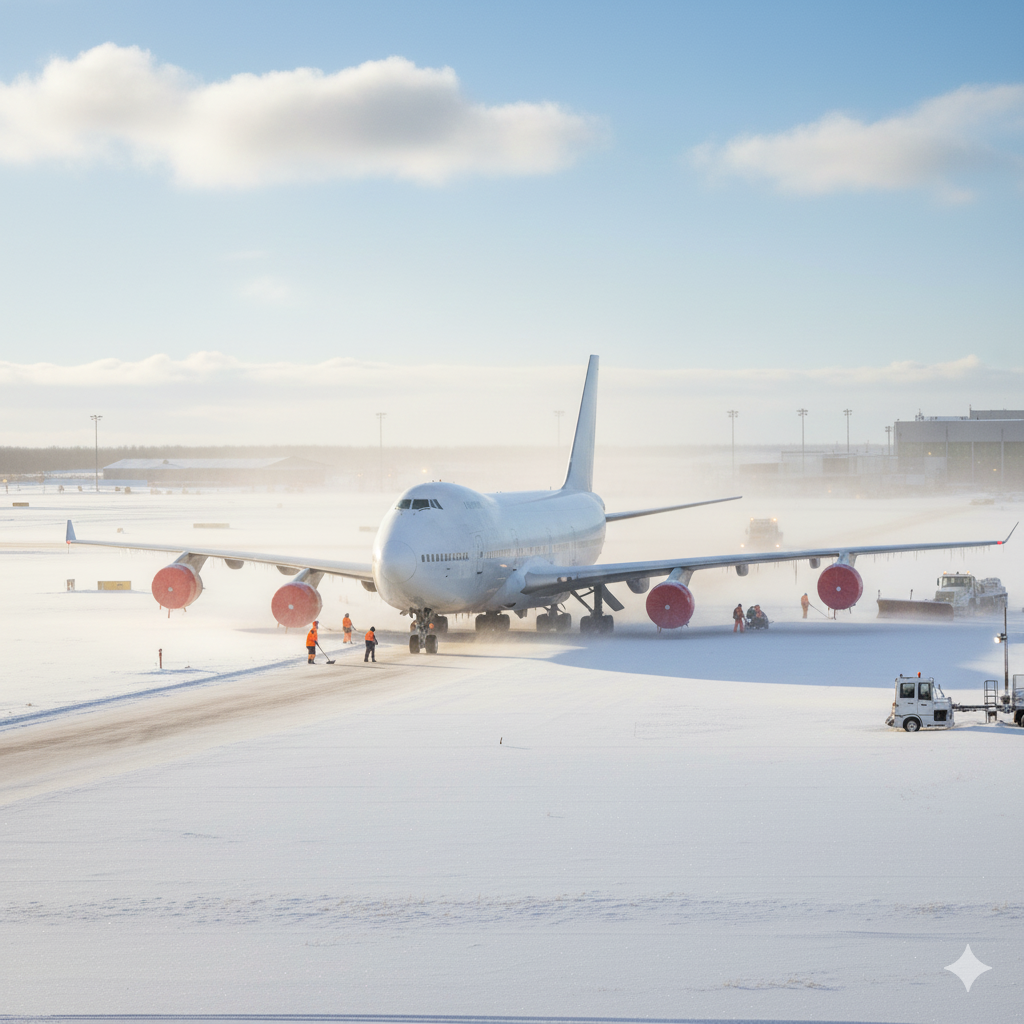
Winter in Japan brings magic on the ground — snow-covered temples, twinkling illuminations, cozy onsen days. But up in the skies, winter also means trouble. Many flights during the cold months end up delayed or cancelled, and it’s not always the planes. There are hidden logistical and weather-related reasons behind the chaos.
Winter Weather and Icy Runways
When temperatures drop and snow or freezing rain hits, runways and taxiways can become slick and dangerous. Airports must de-ice runways, clear snow, and make sure surfaces are safe before allowing take-offs or landings. That process takes time, and during heavy snowfall can cause long delays. Even if your flight plan is all set, the airport must wait until conditions are declared safe.
De-icing Planes and Delayed Departures
Planes themselves often need de-icing before departure — removing ice from wings and tail to ensure safe flight dynamics. That means ground crews have to apply de-icing fluid and wait for it to take effect. If snow or freezing rain continues, crews might need to do that again. Especially on busy travel days, this can lead to long queues of planes waiting to be processed.
Air Traffic Congestion
During winter, a handful of airports handle a heavy load of flights because many people travel for holidays, New Year festivities, or onsen trips. This surge puts pressure on air traffic control, runway usage, and airport logistics. When runways are slow to clear or de-icing takes time, a backlog builds up — and delays ripple across flights throughout the day.
Changing Weather Conditions
Japan’s weather can shift quickly in winter. What looks like a clear morning can turn into a snowstorm by afternoon — forcing airports to pause all operations. Even if your flight is scheduled during a “safe window,” sudden weather changes still cause cascading delays and cancellations.
Cautious Safety Protocols
Japanese airports and airlines prioritize passenger safety over schedule. Officials will delay or cancel flights at the first sign of risk — whether slick runways or unstable weather. That conservative approach reduces accidents, but it also means when conditions are marginal, many flights won’t depart on time.
What It Means for Travelers
If you travel to Japan during winter, expect some unpredictability. Even well-planned flights can be delayed or cancelled. Arriving early at the airport, checking real-time weather and flight updates, and building buffer days into your itinerary will help. For domestic trips (for example Tokyo ↔ Hokkaido), allow extra time before transfers.
Bottom Line
Winter in Japan brings beauty — but also complexity for flights. Snow, ice, safety protocols, and heavy traffic combine to make delays more likely than at other times of year. If you plan smart, you’ll still enjoy your trip.