How Airport Staff Decide Who to Randomly Screen
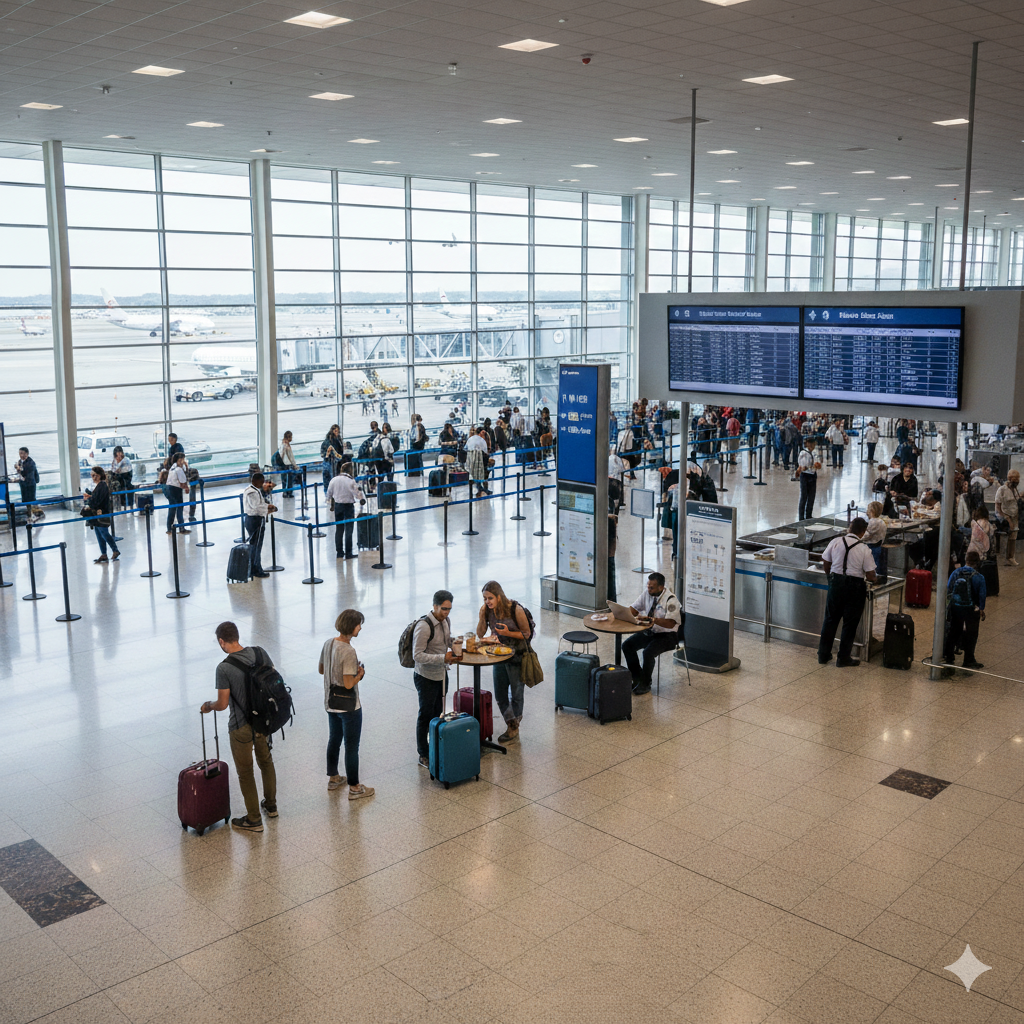
If you’ve ever been pulled aside for an extra security or customs check at a Japanese airport, you might have wondered: Why me? Was it random, or did something make you stand out? In Japan, airport security is known for being extremely polite but also highly observant and systematic. While some screenings really are random, many are triggered by specific behavioral or document-red-flag cues.
Here’s what travelers should know about how airport officers in Japan decide who gets selected for additional screening.
Unusual Body Language or Nervous Behavior
Japan’s airports, especially Haneda and Narita, train officers in behavior detection techniques. Looking overly anxious, avoiding eye contact, gripping belongings tightly, sweating excessively, or acting jumpy can draw attention. Even constantly looking around or walking back and forth can be interpreted as suspicious behavior. Calm confidence is your best friend.
Travel History That Stands Out
Passport stamps can trigger further questions or bag checks. Frequent travel to countries associated with smuggling risks or sudden changes in travel patterns can raise curiosity. For example, a last-minute arrival ticket with short stays across multiple countries in a short period might invite more scrutiny. Officers are trained to detect travel patterns rather than judge nationality or appearance.
Vague or Inconsistent Trip Purpose
If officers ask why you’re entering Japan and your answer sounds uncertain or rehearsed, they may ask additional questions or inspect bags. Saying “just traveling” without details—like where you’re staying, for how long, and what you plan to do—can result in deeper screening. Japan values clarity and planning, so unclear answers seem suspicious.
Not Having a Hotel Booking or Contact Address
Arriving in Japan without confirmed accommodation is a common reason for extra questioning. Immigration officers may check proof of funds or ask for detailed travel plans. If you cannot show an address for at least your first night, they may redirect you for secondary interviews.
Carrying a Lot of Cash
Japan is a mostly cash-based society, so bringing cash isn’t unusual—but carrying unusually large amounts without explanation may cause customs officers to flag you for screening. Anything above ¥1,000,000 must legally be declared, and failing to do so can lead to detention or questioning.
Bulky, Heavy, or Unusual Luggage
Multiple oversized or mostly empty suitcases, oddly shaped items, or sealed packages can attract x-ray re-checks. Officers look for signs people may be transporting hidden goods or commercial items mislabeled as personal use.
Not Filling Out Forms Correctly
Customs forms must match what is physically in your luggage. If you tick “nothing to declare” but the scanner shows electronics, perfumes, or numerous packaged goods, they may pull you aside. Officers appreciate honesty more than attempts to hide items.
Being Last or in a Hurry
People trying to rush through the customs line or waiting until the last moment are often selected for screening. Staff watch for travelers who seem eager to escape notice—like moving between lines or avoiding eye contact with officers.
Why Japan Uses These Methods
Japan prioritizes safety, order, and fairness. Screenings are meant to protect the country from illegal substances, undeclared commercial goods, and security risks—not to profile travelers. Officers are trained to evaluate behavior and context rather than appearance or nationality.
How to Avoid Being Flagged
– Be calm, polite, and straightforward
– Prepare documents, bookings, and arrival card in advance
– Answer questions clearly and confidently
– Declare accurately what you are bringing
– Pack neatly so scans are easy to interpret
In the end, getting selected for extra screening doesn’t mean you did something wrong. It’s simply part of Japan’s extremely thorough security philosophy. Stay relaxed, cooperate, smile—as most travelers will tell you, Japanese officers are respectful and professional, and the process is usually quick and painless.
Safe travels—and welcome to Japan.