How Winter Weather Impacts Shinkansen Timetables
Japan’s famous Shinkansen is admired worldwide for its speed and punctuality. Even so, winter weather can influence how these high-speed trains operate, especially in regions that face heavy snow. While delays are rare compared to global standards, understanding why they happen helps travelers plan better.
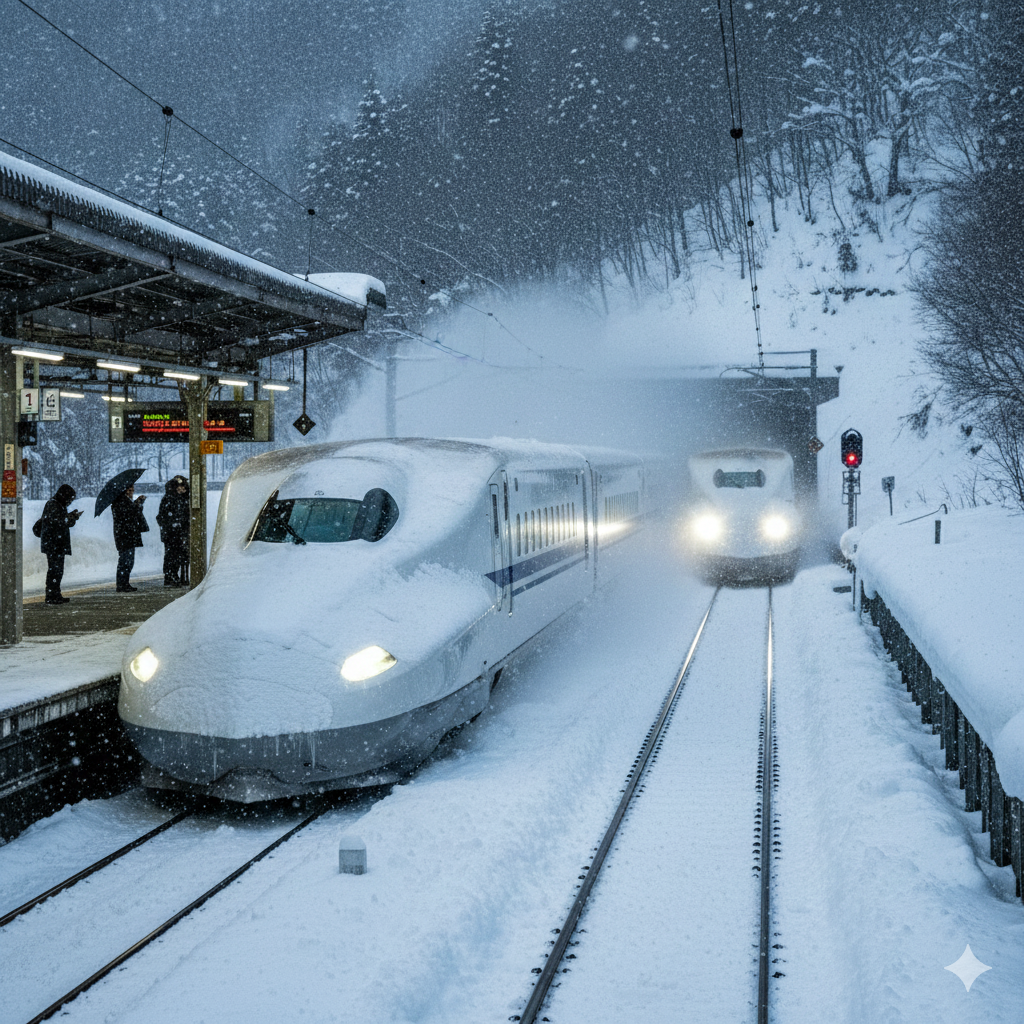
Snowfall is the main challenge. On routes passing through northern Honshu or mountainous zones, snow can accumulate on tracks or overhead lines. When that happens, train controllers may reduce operating speeds for safety or schedule slight gaps between departures. The iconic nose shape of the trains helps cut through snow, but safety rules always take priority over speed.
Strong winds also play a role. If gusts in exposed areas become too intense, Shinkansen operations may slow down or briefly pause until conditions stabilize. Japan’s rail system constantly monitors weather so they can act before problems escalate.
Another winter obstacle is freezing temperatures. Ice can form around switches, sensors, and platform edges. Maintenance teams often work through the night to heat components, clear ice, and keep the system reliable. Because of this preparation, many passengers never realize how much work happens behind the scenes.
When delays do occur, they are usually short. Staff provide clear announcements, and alternative routes are activated quickly. Travelers might only notice slightly longer waiting times or speed reductions between stations.
The best way to manage winter travel on the Shinkansen is to stay flexible. Checking real-time rail apps or station screens helps you adjust your schedule. Despite winter challenges, Japan’s bullet trains remain among the most dependable in the world. Even in snow or strong winds, you’ll likely reach your destination comfortably, just with a touch more patience.