“You Can’t Bring That In” — What Actually Happens at Japanese Customs
Traveling to Japan is a dream for many. The bustling streets of Tokyo, serene temples in Kyoto, and the promise of sushi, ramen, and unmatched cultural experiences. But before you can step out of the airport and into the neon-lit streets, there’s one gatekeeper you have to pass—Japanese customs. And if you’ve ever heard horror stories about items being confiscated or travelers being turned away, you might be wondering: what actually happens at Japanese customs?
The Role of Japanese Customs
Japanese customs isn’t just about checking passports; it’s about protecting the country from prohibited goods, controlling disease, and collecting duties on certain imports. Officers work to ensure the safety and security of both travelers and residents. While the process may seem strict, most travelers pass through without issue—provided they follow the rules.
What You Can’t Bring
Japan has strict regulations on items entering the country. Common categories that can cause trouble include:
Food and agricultural products: Fresh fruit, meat, and some processed foods are heavily restricted to prevent the spread of pests and disease. Even seemingly harmless snacks can be stopped.
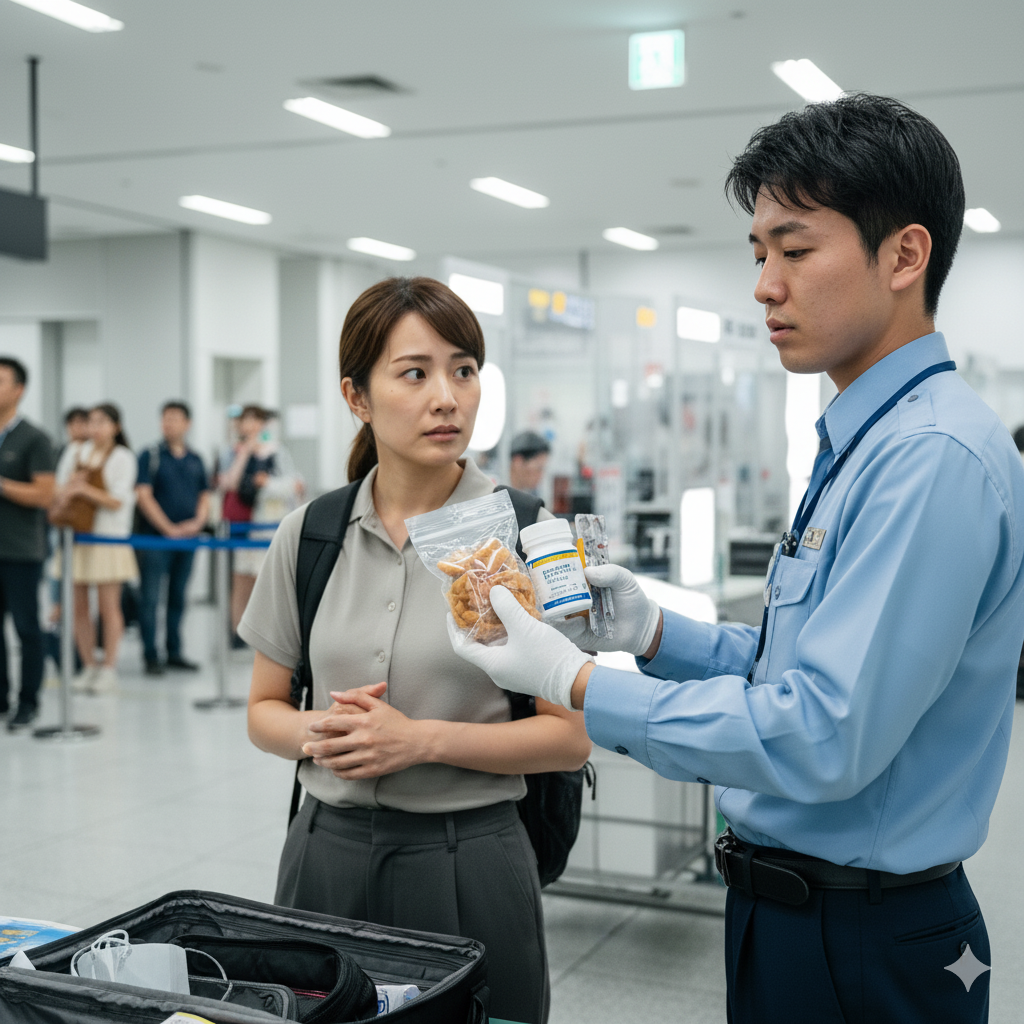
Medications: Over-the-counter and prescription drugs, especially those containing stimulants or narcotics, can be prohibited or require a special permit. Bringing too many pills—even for personal use—can cause confiscation.
Weapons and dangerous items: Guns, knives, certain sporting equipment, and self-defense sprays are tightly controlled. Some items that are legal in your home country may be illegal in Japan.
Cultural or historical artifacts: Importing or exporting antiques, artworks, or certain religious items may require documentation.
What Happens When You Declare Items
Japan operates on an honor system for many personal items, but failing to declare restricted items can have serious consequences, including fines or confiscation. Here’s what usually happens:
1. Arrival and Documentation: After disembarking, you fill out a customs declaration form, listing any goods that may be subject to duty or restriction.
2. Screening: Officers may visually inspect luggage or use scanners. This isn’t always a targeted inspection; random checks are common.
3. Questions: If an officer finds something questionable, they will ask about it. Be honest, clear, and calm—cooperation usually resolves the situation smoothly.
4. Confiscation or Return: Items deemed prohibited are confiscated, sometimes without compensation. Certain items may be allowed if you have the correct documentation or permits.
Tips for a Smooth Experience
Research before you pack: The Japanese customs website provides detailed lists of prohibited and restricted items.
Declare everything: Even if you think it’s minor, declaring avoids complications.
Keep prescriptions and receipts handy: For medications, carry a doctor’s note or prescription in Japanese if possible.
Know your duty-free limits: There are allowances for alcohol, tobacco, and other goods. Exceeding them could lead to duties or confiscation.
Bottom Line
Japanese customs may seem intimidating, but it’s mostly a matter of preparation and honesty. Most travelers experience a straightforward process—without drama—by simply understanding what they can and cannot bring. The phrase “You can’t bring that in” might sound scary, but it’s less about punishment and more about keeping the country safe, healthy, and smooth-running.
So, next time you’re packing your bags for Japan, think twice about those questionable snacks or medications. With a little foresight, you can breeze through customs and start your adventure without a hitch.