Discovering the Five Lakes at the Foot of Mount Fuji with Captivating Views
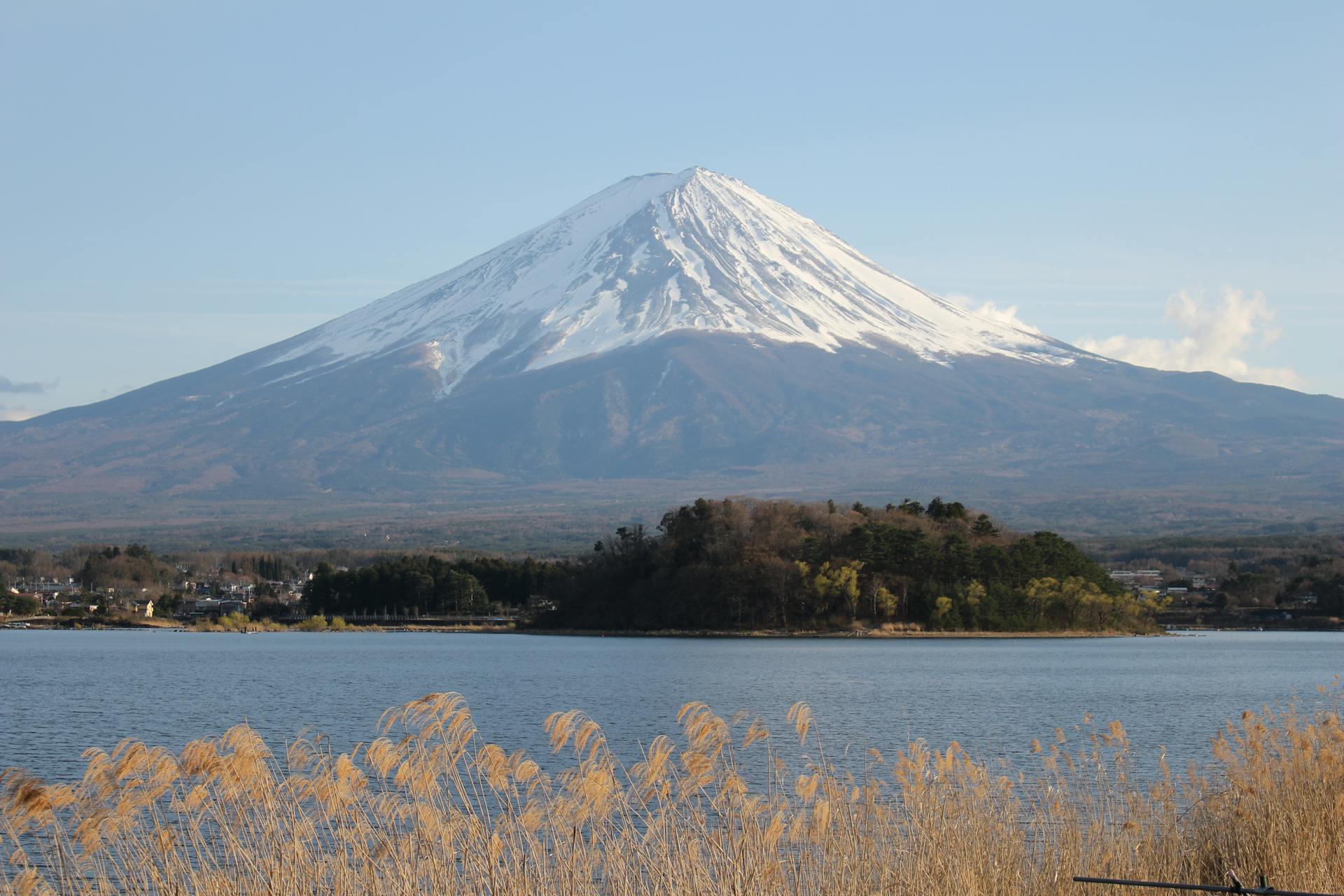
It feels incomplete to visit Japan without stopping by Fujigoko, located at the foot of Mount Fuji, about 1,000 meters above sea level. The Five Lakes, commonly known as Fujigoko, are a famous and visually stunning tourist destination. Fujigoko offers a wide range of outdoor activities and remains a favorite attraction among visitors to Japan.
As far as the eye can see, this area presents breathtaking creations of nature. Fujigoko is located in southeastern Yamanashi Prefecture, near the border with Shizuoka. This region, at an elevation of around 1,000 meters, consists of Lakes Kawaguchiko, Saiko, Yamanakako, Shojiko, and Motosuko. The area attracts many tourists for its beautiful views of Mount Fuji.
These scenic crater lakes offer some of the best Japanese cultural and recreational experiences in a truly enchanting setting, no matter the season. The region is one of the best places to view Mount Fuji up close and serves as a good starting point for climbing the mountain.
Fujigoko is known as a lake resort area with popular outdoor activities such as hiking, camping, fishing, and winter sports. There are also numerous hot springs and museums in the area—not to mention Fuji-Q Highland, one of Japan’s most famous amusement parks, featuring record-breaking roller coasters.
Among the five lakes, Lake Kawaguchiko is the most accessible and offers the most attractions and activities for visitors. The other four lakes are less developed and harder to reach by public transport. Below are the highlights of each of the five lakes at the foot of Mount Fuji.
Lake Kawaguchiko
This lake is easily accessible and very popular with tourists, especially because of its direct train and bus connections from Tokyo. Buses around the lake take visitors to various museums, such as the Itchiku Kubota Art Museum, famous for its beautiful kimono collection. The bus also stops at Fuji-Q Highland, the amusement park known for its thrilling roller coasters, as well as Thomas Land.
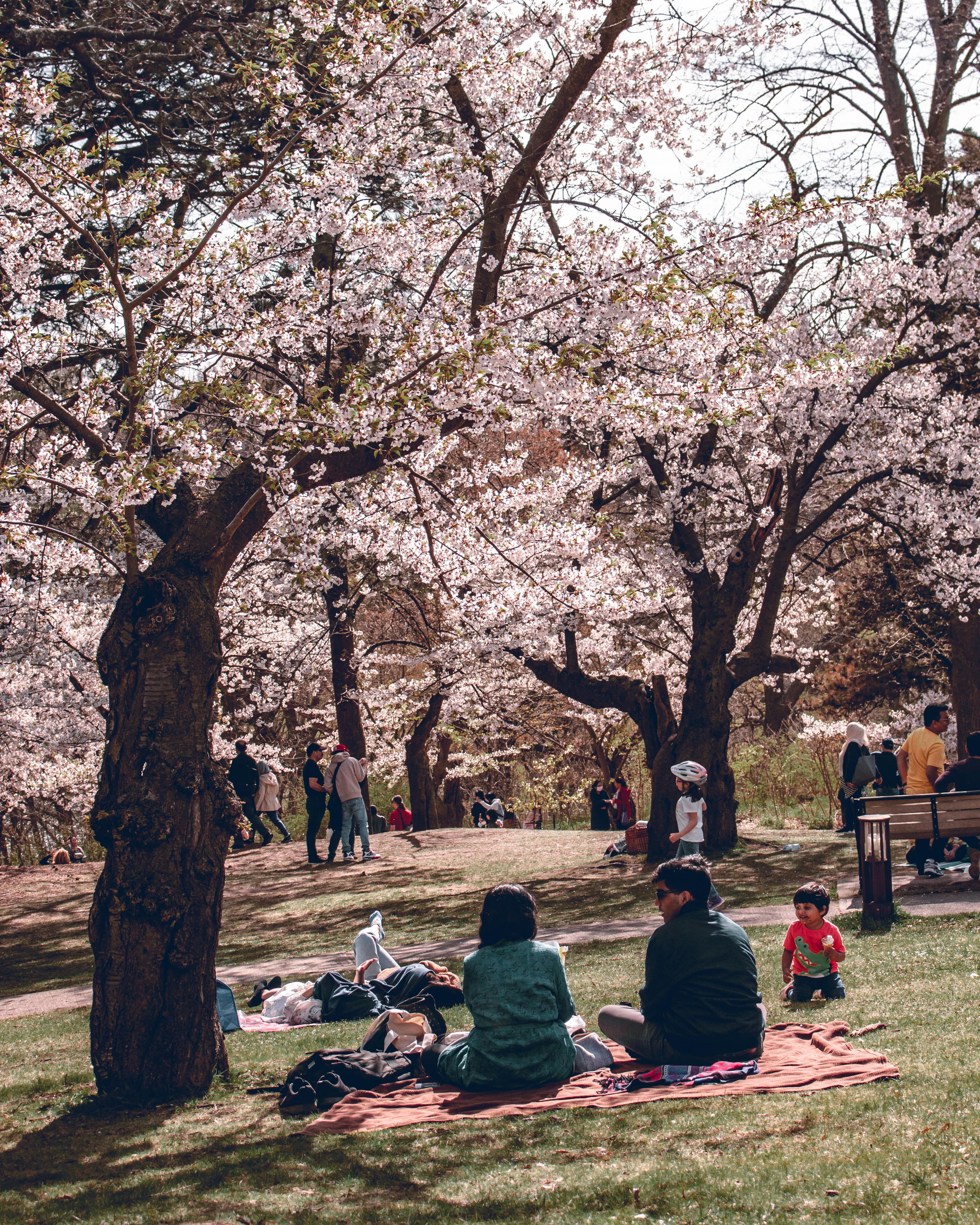
The best views of Mount Fuji can be enjoyed from the north shore of the lake, especially during cherry blossom season (mid-April) and the colorful autumn foliage (early November). Nearby attractions include hot springs, museums, the Fuji-Q amusement park, boat tours, and a ropeway leading up to a small mountain peak.
Kawaguchiko is also a good base for climbing Mount Fuji, though most climbers now start from Fuji Subaru Line 5th Station, located halfway up the mountain.
You might also visit the Kawaguchiko Music Forest, filled with musical instruments such as music boxes and mechanical organs, then relax in a hot spring like Kawaguchiko Kaiun no Yu. Water sports such as water skiing and wakeboarding are available here, and in warmer months, you can explore various hiking trails.
The summer fireworks festival is another lively and memorable event. For the most iconic photo of Mount Fuji, head to the Chureito Pagoda inside Arakurayama Sengen Park—the location of the famous shot of the pagoda framed against Mount Fuji.
Lake Yamanakako – Enjoy Water Sports
This is the perfect spot if you’re looking to work up a sweat enjoying various water sports. You can go boating, fishing, water skiing, windsurfing, and more at Yamanakako. In warmer weather, visitors can also go camping, play tennis, and participate in other activities at this well-known summer resort.
Campsites are located close to the water. Yamanakako is near Oshino Hakkai, a small village with eight pristine springs that flow underground from Mount Fuji. Oshino Hakkai was included in the Mount Fuji World Heritage Site in 2013. The lake area is also home to the Mishima Yukio Literature Museum.
Lake Saiko – The Greatest
In Japanese, Saiko can mean “the greatest” or “the best,” and there are indeed many peak experiences around this lake. Here you’ll find the Saiko Bat Cave, a large cave that stays warm in winter, and the Narusawa Ice Cave, where icicles remain even during summer.
For winter sports enthusiasts seeking Japan’s famous powder snow, Fujiten Snow Resort offers sledding, skiing, and snowboarding. Also nearby is Saiko Iyashi no Sato Nenba, a reconstructed village with thatched-roof houses on the southern shore of Saiko. Mount Fuji looks magnificent when photographed from this village.
Lake Shojiko – Offering a Rustic Atmosphere
Shojiko is the smallest of the Fuji Five Lakes, offering beautiful views from the Eboshi-dake Panorama Platform on the southwest side. The lake is famous for its upside-down reflection of Mount Fuji, known as the “Inverted Fuji.” Outdoor activities here include hiking, camping, and fishing, while on the lake, visitors can go boating and angling.
Lake Motosuko
Lake Motosuko is the deepest of the Fuji Five Lakes, with water so clear that you can see all the way to the bottom. The view of Mount Fuji from the north side of the lake is the same one depicted on Japan’s 1,000-yen bill.
During warmer months, visitors can enjoy camping, hiking, and horseback riding. To explore the underwater scenery of the lake, take a ride on the Moguran, a bright yellow glass-bottom boat.
Transportation to the Lakes
The Fuji Five Lakes are located in southeastern Yamanashi Prefecture, near the Shizuoka border, and are accessible by public transport. From Tokyo, take an express train on the JR Chuo Line, then transfer at Otsuki Station to the Fuji Kyuko Line (JR Pass not valid). Alternatively, you can take a highway bus from Shinjuku Expressway Bus Terminal directly to Kawaguchiko Station.
The journey takes less than two hours. From Kawaguchiko Station, you can catch buses to any of the five lakes. The best route to Lake Yamanakako is via Fujisan Station. The choice is yours—whether you want to explore all five lakes or focus on one or two. Each has its own appeal and challenges to reach, but the stunning scenery and unforgettable experiences make the trip well worth it.