Shirakawa-go: A Living Fairytale Village in the Mountains of Japan
Step into a village where time seems to have stopped, where every thatched rooftop whispers stories of the past, and the landscape feels lifted straight from an ancient Japanese folktale. Recognized as a UNESCO World Heritage Site in 1995, Shirakawa-go stands as a timeless testament to Japan’s enduring rural wisdom and architectural ingenuity.
Nestled deep within the mountains of Gifu Prefecture, Shirakawa-go is famed for its traditional gassho-zukuri farmhouses—distinctive wooden homes with steep thatched roofs designed to withstand heavy winter snow. The name gasshomeans “hands in prayer,” inspired by the triangular shape of the roofs, which resemble palms pressed together in reverence.
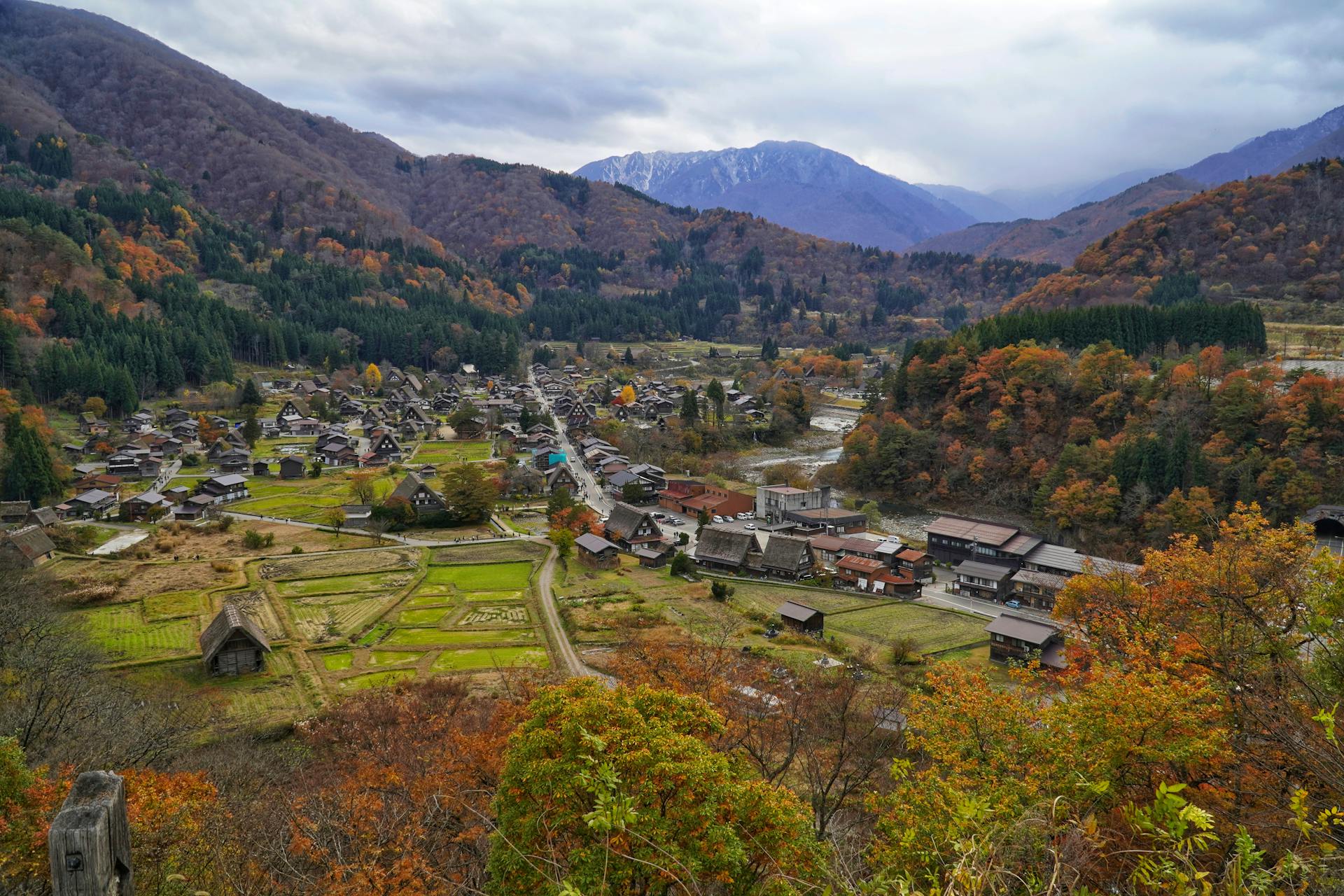
Here, life flows at a different rhythm. As you walk through the quiet lanes, surrounded by rice paddies and gentle mountain air, the modern world fades away. From the Shiroyama Observatory, visitors can take in the entire panoramic view of the village—an unforgettable scene, especially under a blanket of winter snow.
Shirakawa-go is beautiful in every season: cherry blossoms bloom in spring, lush rice fields gleam in summer, fiery leaves illuminate autumn, and thick snow transforms the village into a dreamlike wonderland in winter. Each season paints its own version of this living heritage.
Ogimachi Village: The Heart of Shirakawa-go
The most famous of the Shirakawa-go settlements, Ogimachi Village, is home to the largest concentration of gassho-zukuri houses. Many of these farmhouses are still inhabited by local families who maintain their traditional way of life, while others have been converted into small cafés, craft shops, guesthouses, or museums.
Spending a night in Ogimachi is a rare opportunity to experience rural Japan as it once was—surrounded by candlelight, quiet streets, and the scent of wood smoke rising into the mountain air. Despite its popularity with travelers, the village retains its authenticity through the rhythms of daily life that have remained unchanged for generations.
Exploring the Wada House: A Window Into the Past
A visit to Wada House, the largest and oldest gassho-zukuri farmhouse in the area, offers an intimate glimpse into life during the Edo period (1603–1867). Designated as an Important Cultural Property, the house still functions as a residence, while part of it is open to the public.
Inside, visitors can see traditional silk production tools, old household items, and exhibits explaining the ingenious craftsmanship behind the construction of these steep, snow-resistant roofs. Walking through its creaking wooden floors feels less like entering a museum and more like stepping into the living memory of rural Japan.
Shirakawa-go is not a static open-air museum—it’s a village that truly lives. Its people continue to farm, craft, and celebrate their traditions just as their ancestors did centuries ago.
The Charm of Shirakawa-go Kaido
The main street running through Ogimachi, known as Shirakawa-go Kaido, perfectly captures the charm of the village. Clean, picturesque, and lined with traditional wooden buildings, it’s the kind of place that makes you slow down and take in every detail.
Here you’ll find cozy restaurants, handmade souvenir shops, and small stalls offering freshly prepared local snacks. Popular treats include warm rice cakes, skewered Hida beef, and sweet red bean confections—simple flavors that evoke the warmth of Japanese countryside life.
At the end of the road lies Shirakawago no Yu, a public hot spring bath that offers weary travelers the perfect place to unwind while gazing at the surrounding mountains.
Every turn along Shirakawa-go Kaido tells a story. Whether it’s the aroma of home-cooked food, the sound of footsteps on wooden bridges, or the sight of snowflakes settling gently on thatched rooftops—this is where the magic of Japan’s past still breathes today.
A Living Heritage
Visiting Shirakawa-go is not just about admiring architecture or scenery—it’s about entering a world that continues to live in harmony with nature and tradition. The villagers’ way of life, preserved through centuries, reflects a deep respect for the land and community.
So, when you step into Shirakawa-go, don’t rush. Take your time. Let the mountains embrace you, the snow hush the air, and the quiet remind you of a Japan that still remembers its roots.