Discover the Beauty of Japan’s Hidden Villages
When we think of Japan, our minds often drift to Tokyo’s dazzling lights or Kyoto’s timeless temples. Yet beyond these iconic cities lies another side of Japan—quiet, authentic, and steeped in history—hidden villages nestled among mountains, valleys, and coastlines.
Exploring these picturesque villages offers a completely different experience. It allows you to step back in time and witness Japan’s enduring rural traditions, where thatched-roof farmhouses, mountain backdrops, rice terraces, and winding rivers evoke the nostalgic charm of the Edo period. It’s also a chance to escape the rush of modern life and reconnect with nature.
One of the best times to visit Japan’s countryside is autumn, when the momiji(maple leaves) turn brilliant shades of red and gold, casting a warm glow across the traditional villages. Here are some of Japan’s most beautiful hidden gems worth visiting:
1. Shirakawa-go – Gifu
Located in Gifu Prefecture, Shirakawa-go is renowned for its traditional gassho-zukuri farmhouses, whose steep thatched roofs resemble hands pressed in prayer. This UNESCO World Heritage Site is stunning year-round, but especially magical in autumn when the landscape is painted with red and amber leaves reflected in rivers and rice fields.
Come winter, the entire village transforms into a snow-covered fairytale scene, glowing softly under layers of white—an unforgettable sight straight out of a dream.
2. Miyama – Kyoto
Just 50 kilometers north of Kyoto lies Miyama, a peaceful farming village surrounded by lush mountains. Known for its kayabukithatched-roof houses, Miyama feels worlds away from the city. Its crisp mountain air, slow pace of life, and timeless atmosphere make it a perfect escape for anyone seeking tranquility.
Stay overnight in a local homestay to experience daily life like a true villager, and don’t miss the chance to join craft-making workshops with the locals—a heartfelt way to connect with rural Japanese culture.
3. Ouchi-juku – Fukushima
Once a thriving post town along the Aizu-Nishi Kaido trade route connecting Aizu and Nikko during the Edo period (1603–1867), Ouchi-juku served as a resting point for samurai and merchants traveling on foot.
Today, the village retains its Edo-era charm with rows of thatched-roof houses, cobblestone streets, and rustic wooden buildings. Stroll down the main street lined with small eateries and shops selling local treats such as cold soba noodles and sweet mochi rice cakes. Walking here feels like stepping into a living history book.
4. Narai-juku – Nagano
Nestled between Kiso-Fukushima and Matsumoto, Narai-juku was once the wealthiest post town along the Nakasendo Trail, which connected Kyoto and Edo (Tokyo). Stretching over a kilometer, this beautifully preserved town earned the nickname “Narai of a Thousand Houses.”
Wooden merchant houses line the main street, many of which now host soba noodle shops, sake breweries, lacquerware artisans, and souvenir stores. Step inside the Nakamura Residence, dating back to the early 1800s, to glimpse the refined lifestyle of Edo-era merchants.
You’ll also find serene Buddhist temples and Shinto shrines scattered throughout the village—quiet corners perfect for reflection.
5. Ine no Funaya – Kyoto
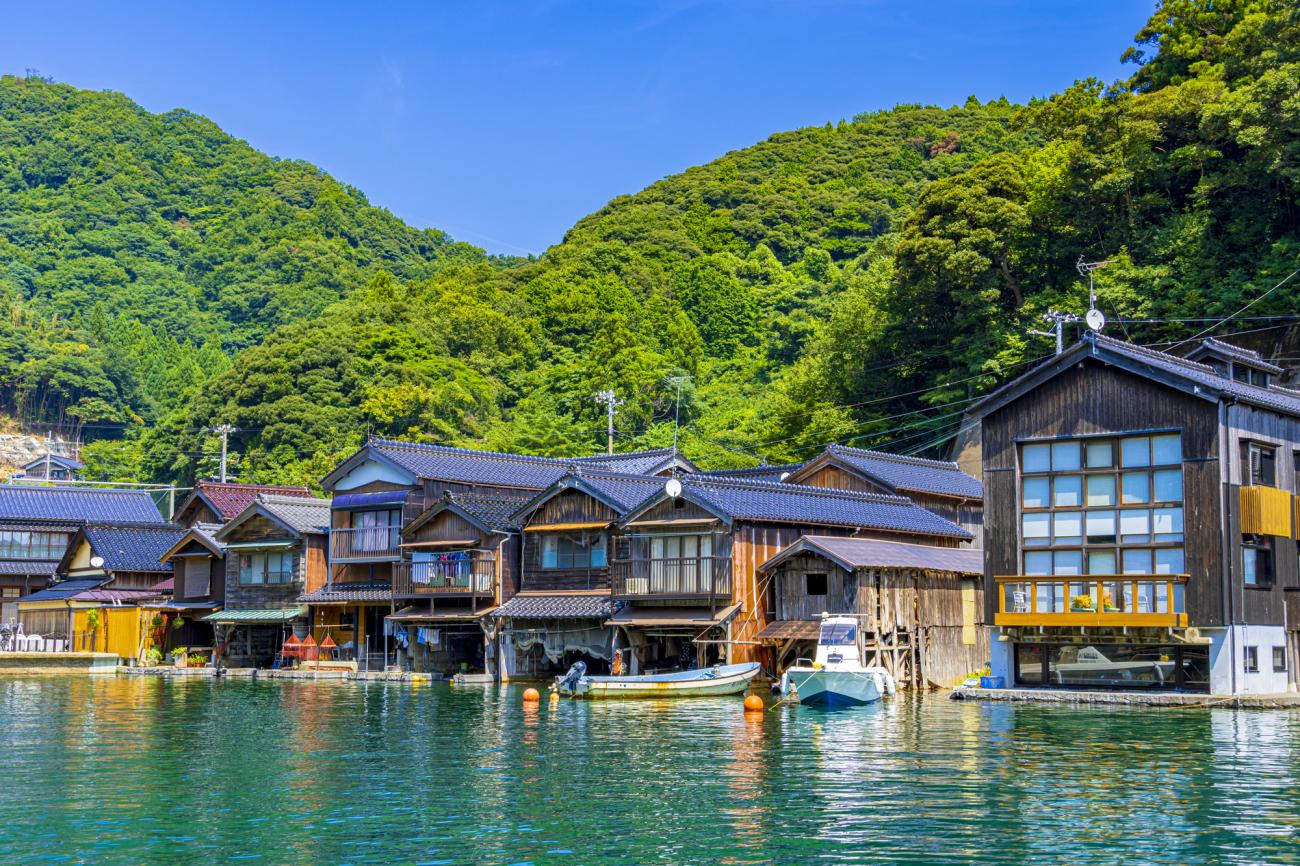
Far to the north of Kyoto lies Ine no Funaya, a charming fishing village famous for its unique boat houses(funaya) built directly on the water’s edge. These wooden homes feature boathouses on the lower floor and living quarters above—a rare architectural style found only here.
Life in Ine moves to the rhythm of the sea. You can take a boat tour around the bay, feed seabirds, or rent a bicycle to explore the peaceful waterfront. Don’t miss the chance to enjoy freshly caught seafood at a local restaurant while soaking in the calm of this seaside paradise.
6. Iya Valley – Tokushima
Hidden deep within the Shikoku Mountains, Iya Valley remains one of Japan’s most remote and unspoiled regions. Here, steep gorges, vine bridges, mountain cabins, and natural hot springs create an atmosphere of mystery and adventure.
For travelers seeking solitude and nature, Iya Valley offers rugged beauty and quiet magic that few places in Japan can match.
7. Tsumago – Nagano
Located along the historic Nakasendo Trail, near the border of Gifu Prefecture, Tsumago is one of Japan’s best-preserved Edo-period villages. The town has banned modern signage and visible power lines to maintain its historical charm.
Wander its stone-paved streets, admire the traditional wooden inns and teahouses, and feel as though you’ve stepped straight into the 17th century. For nature lovers, the hiking trail to Magome offers breathtaking mountain views.
Make sure to stop by the small local museum to learn more about the village’s fascinating past.
Step Back in Time
Japan’s hidden villages are living reminders of a slower, more harmonious way of life. From mountain hamlets to coastal retreats, these destinations offer a rare glimpse of a Japan that continues to cherish its roots while welcoming visitors into its tranquil embrace.
Each village tells a different story—but all share the same spirit: timeless beauty, deep tradition, and a quiet invitation to pause and simply be.