
Experiencing Kaiseki: The Japanese Culinary Art Full of Philosophy
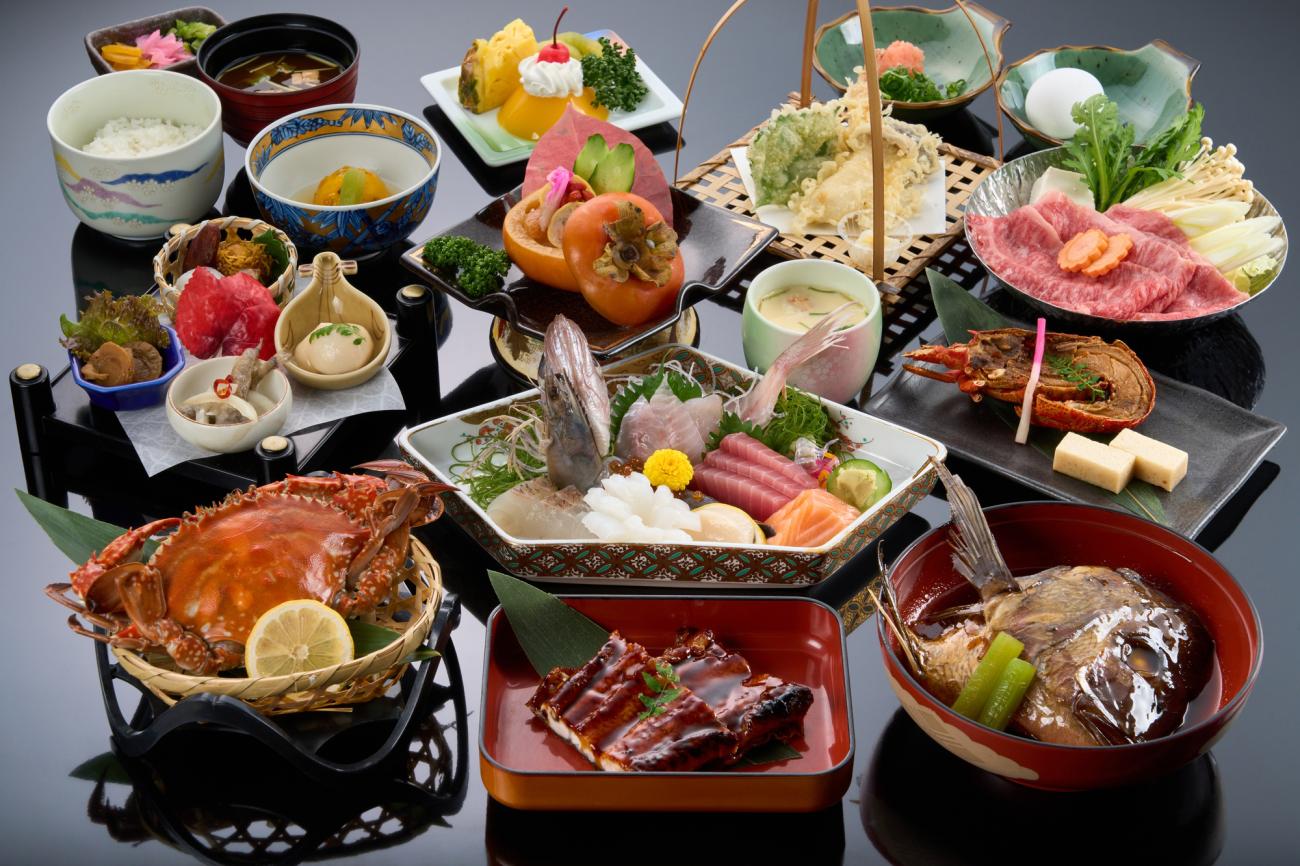
Beyond Japan’s stunning tourist attractions, its culture offers equally captivating experiences. One such cultural treasure is Kaiseki, or Kaiseki-ryori, a traditional Japanese culinary art that not only delights the palate but also carries deep philosophical meaning.
Kaiseki combines taste, texture, aesthetic presentation, and philosophy, all harmonizing with nature and the changing seasons. Emphasis is placed on seasonal ingredients and careful presentation, including the choice of dishes and utensils for each course. Kaiseki is a feast for the eyes and the palate, offering a dining experience unlike any other.
Considered one of the highest forms of Japanese cuisine, a Kaiseki dinner consists of multiple small dishes served in a precise order to stimulate the senses while showcasing the beauty of local ingredients. For anyone exploring Japan’s culinary scene, tasting Kaiseki is an unforgettable experience.
The Philosophy Behind Kaiseki
Kaiseki is more than just a meal—it is an art form deeply rooted in philosophy. Every dish is carefully prepared to reflect the season, as the ingredients used mirror the richness of nature at that time. Key principles include:
Seasonality – Using seasonal ingredients reflects gratitude toward nature and awareness of life’s cycles.
Visual Beauty – The presentation creates harmony between taste and appearance. Plates and bowls are often chosen to reflect the current season.
Simplicity and Purity – Kaiseki highlights the natural flavor of the main ingredients without unnecessary additions.
Through these principles, Kaiseki offers not just food, but a soul-enriching experience.
Typical Order of a Kaiseki Dinner
Kaiseki menus are usually pre-set, and diners select the number of courses they want while the chef guides them through a culinary journey. The meals often include grilled fish, soup, and rice, though dishes can vary.
Here is a common sequence in a Kaiseki dinner:
Sakizuke (Appetizer) – A small, flavorful starter often made with fresh seasonal ingredients.
Suimono (Soup) – A light soup that cleanses the palate in preparation for the next course.
Mukozuke (Sashimi) – Fresh sashimi chosen for its quality and freshness.
Hassun (Seasonal Platter) – Represents the season, showcasing seasonal ingredients in an artful arrangement.
Takiawase (Simmered Vegetables) – Vegetables, sometimes with meat or fish, simmered slowly to preserve natural flavors.
Yakimono (Grilled Dish) – The main grilled course, typically fish or meat, serving as the centerpiece of the meal.
Gohan (Rice) – Served with pickles and miso soup to conclude the meal.
Mizumono (Dessert) – A simple, refreshing dessert, usually fruit or a small sweet.
This sequence creates a balanced flow of flavors, allowing each dish to be savored fully.
Enjoying Kaiseki in Japan
Finding authentic Kaiseki restaurants is relatively easy, especially in major cities like Kyoto, Tokyo, and Osaka. Here are some notable recommendations:
Kikunoi, Kyoto – One of Kyoto’s most famous Kaiseki restaurants, Kikunoi blends tradition with creativity. The chefs pay meticulous attention to every detail, from ingredients to presentation.
Ishikawa, Tokyo – A three-Michelin-starred restaurant offering Kaiseki that balances modern innovation with traditional flavors. The serene and luxurious atmosphere enhances the dining experience.
Kappo-Style Kaiseki, Osaka – Many Osaka restaurants serve Kaiseki in the Kappo style, where dishes are prepared in front of diners, allowing them to witness the chef’s skill firsthand.
Tips for Enjoying Kaiseki:
Reservation: Popular Kaiseki restaurants usually require advance booking.
Mindfulness and Respect: Kaiseki is not just about eating; it is about appreciating the artistry and craftsmanship behind each dish.
Follow the Order: Allow the chef to guide the meal. Following the sequence ensures a complete and harmonious tasting experience.
Kaiseki is a journey through Japanese culture, seasonality, and culinary philosophy—an experience that nourishes both body and soul.