How Tourists Accidentally Break Japanese Train Etiquette Daily
Japan’s trains are famously punctual, clean, and orderly, a marvel for any visitor. But for first-time travelers, navigating the system without accidentally offending locals can be tricky. Many tourists break Japanese train etiquette daily, often without realizing it. Here’s why it happens and how to avoid it.
Standing on the Wrong Side
In major cities like Tokyo and Osaka, escalator rules are strict: stand on one side and leave the other side clear for people in a hurry. In Tokyo, the rule is usually stand on the left, walk on the right; in Osaka, it’s stand on the right, walk on the left. Ignoring this can frustrate locals who are used to the flow of movement.
Talking Loudly or Taking Calls
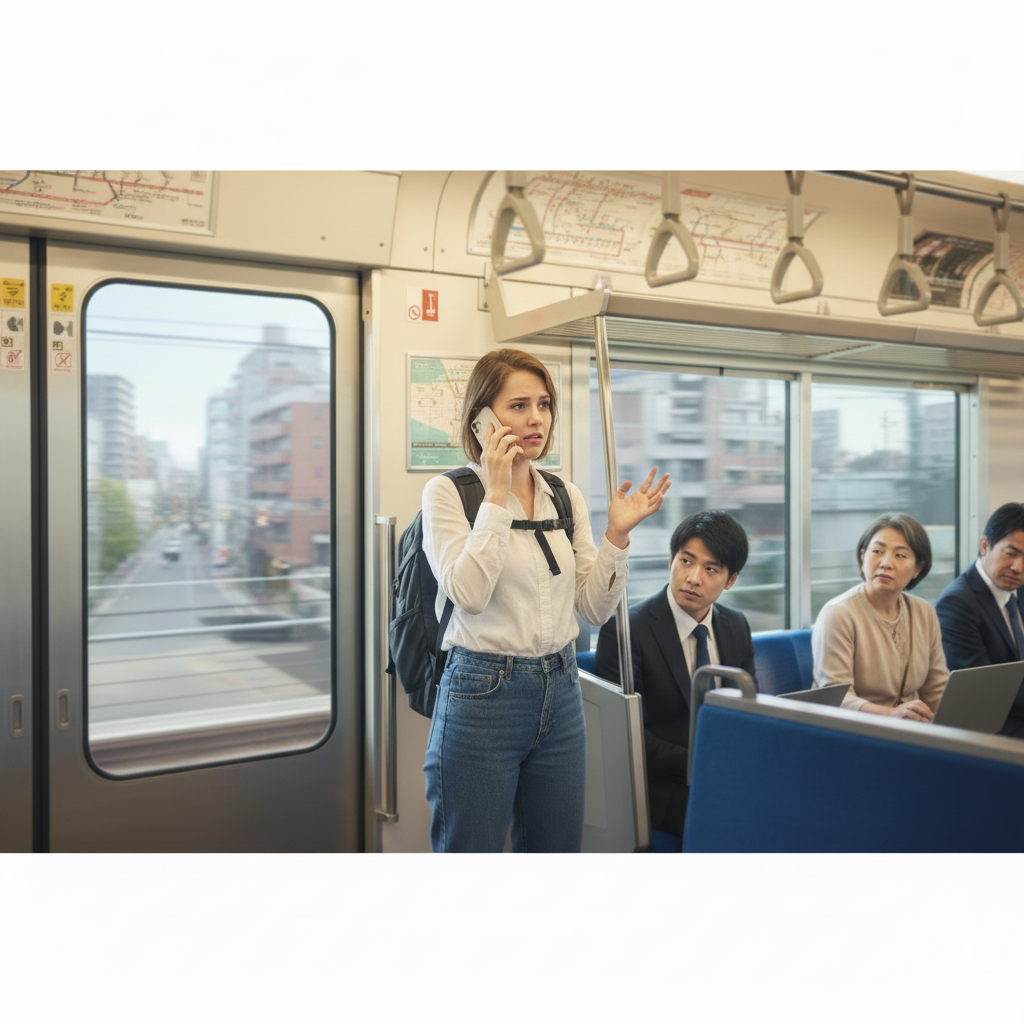
Japanese trains are quiet zones. Loud conversations, music without headphones, or phone calls are frowned upon. Many tourists forget this cultural norm and end up drawing disapproving glances. It’s polite to keep your voice low and set phones to silent mode.
Blocking Doors and Priority Seats
During busy commutes, blocking train doors or occupying priority seats meant for the elderly, pregnant women, or disabled passengers is a major faux pas. Even holding onto a door while taking selfies can be considered rude.
Eating or Drinking
Eating on trains is generally avoided except on long-distance services like Shinkansen. Tourists often make the mistake of snacking on local treats while riding commuter trains, which can be frowned upon.
How to Travel Respectfully
Observe locals: Copying local behavior is the easiest way to avoid mistakes.
Use quiet voices: Keep conversations and phone calls to a minimum.
Follow signage: Priority seats, no-smoking areas, and luggage placement are all clearly marked.
Mind escalator rules: Check local customs for left/right standing.
Bottom Line
Breaking train etiquette in Japan usually isn’t malicious — it’s a result of different cultural expectations. By paying attention, observing locals, and respecting common rules, tourists can enjoy the world-class Japanese rail system without unintentionally offending anyone.