Japanese Department Store Food Halls That Tourists Totally Overlook
The Culinary Underworld: Why You Must Go Down to the Depachika
When travelers arrive in Japan, their culinary roadmap is usually fixed: ramen alleys, sushi counters, conveyor belt joints, and perhaps a street vendor selling takoyaki. All fantastic, undeniably. But in doing so, a massive, dazzling, and frankly essential component of Japanese food culture is almost entirely missed: the department store food hall, or what locals affectionately call the Depachika (depa for department store, chika for basement).
The depachika is not just a collection of food stalls; it is an impeccably curated subterranean kingdom of gastronomy. It is a spectacle of sensory overload and precise artistry, where the highest standards of Japanese food presentation and quality converge. While the upper floors of the department store might sell designer clothes or luxury goods, the basement sells the ultimate Japanese luxury: perfect food. And tourists, typically reluctant to venture past the ground floor, are walking right over it.
What is the Depachika Experience? An Assault on the Senses
Stepping off the escalator into a world of depachika is like plunging into a high-end, edible museum. The atmosphere is immediately noticeable. It’s spotless, brightly lit, and meticulously organized. Unlike the chaotic energy of an outdoor market, the depachika operates with quiet, elegant precision.
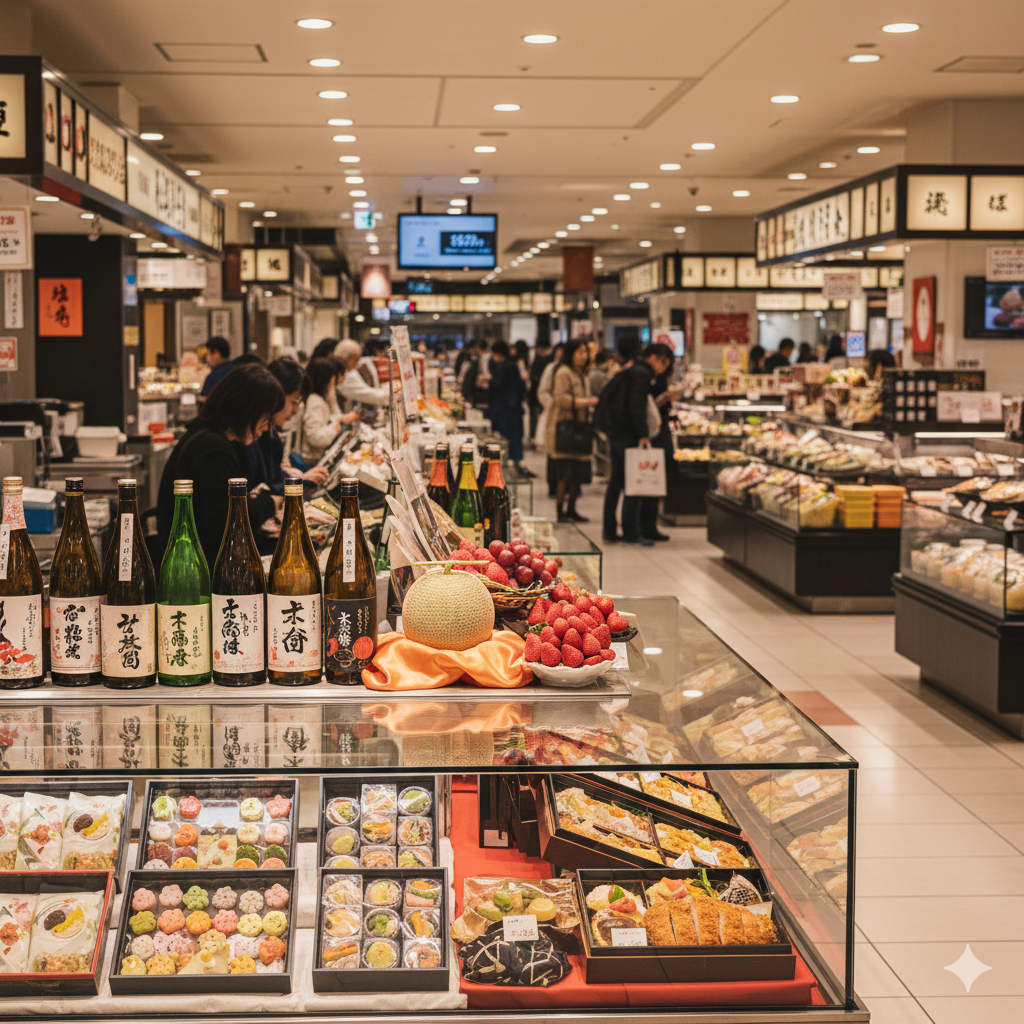
The air is thick with a complex aroma: the subtle sweetness of freshly baked matcha cakes blending with the savory steam of slow-cooked unagi (eel), underscored by the delicate perfume of rare Japanese citrus. Every stall, often no bigger than a kitchen island, is a masterpiece of food display. Wagashi (traditional sweets) look like miniature sculptures. Deli items (sōzai) are arranged with the same care a jeweler takes with diamonds.
This is where the nation's most respected artisans, chefs, and confectioners—some of whom have been in business for centuries—set up shop. You aren’t just buying dinner; you are acquiring a piece of culinary heritage.
The Pillars of the Culinary Kingdom
The beauty of the depachika lies in its sheer variety, organized into distinct, mouth-watering categories:
1. The Sweet Section (Wagashi and Yōgashi)
The pastry aisle alone can induce paralysis by choice. The wagashi section showcases traditional, seasonal sweets that are often too beautiful to eat, each one reflecting a micro-season (such as a pink blossom for spring or a chestnut paste for autumn). The yōgashi (Western sweets) section is equally impressive, featuring European-style cakes, macarons, and chocolates perfected by Japanese technique. It's the go-to place for high-end souvenirs and gifts (known as omiyage).
2. The Sōzai and Prepared Foods Section (The Ultimate Deli)
This is the lifeblood of the depachika for locals. Sōzai refers to pre-prepared deli foods—everything from gourmet salads and beautifully crafted tempura to perfect tonkatsu cutlets and elaborate bento boxes.
Crucially, this is high-quality dining, designed for take-out. You can assemble a three-course, multi-ethnic meal here: start with a French-Japanese marinated shrimp salad, follow up with a piece of Kobe beef croquette, and finish with a delicate salmon sushi roll. It’s the perfect solution for a traveler looking for an elevated picnic or a high-quality dinner to enjoy back at the hotel without the hassle of restaurant reservations.
3. Specialty and Artisan Goods
Beyond the immediate prepared meals, depachika are treasure troves for specialty ingredients. Here, you’ll find sections dedicated entirely to aged sake, regional craft beers, exclusive Japanese teas, and premium condiments like shoyu (soy sauce) and miso pastes from specific prefectures. Don’t miss the legendary fruit counters, where a single, perfect melon can cost upwards of $100. It’s a showcase of Japan’s obsession with quality and perfection.
The Ultimate Insider Secret: Owarigake Wari (The Discount Hour)
To truly master the depachika experience like a local, you must time your visit to the Golden Hour.
Japanese department stores generally close around 7:30 PM or 8:00 PM. In the last 30 to 60 minutes before closing, stall attendants begin to mark down the prices of all prepared foods (the sōzai and bento boxes) by 20%, 30%, or sometimes even 50%. This practice, known as owarigake wari (end-of-business discount), is done to clear out fresh inventory, which must not carry over to the next day.
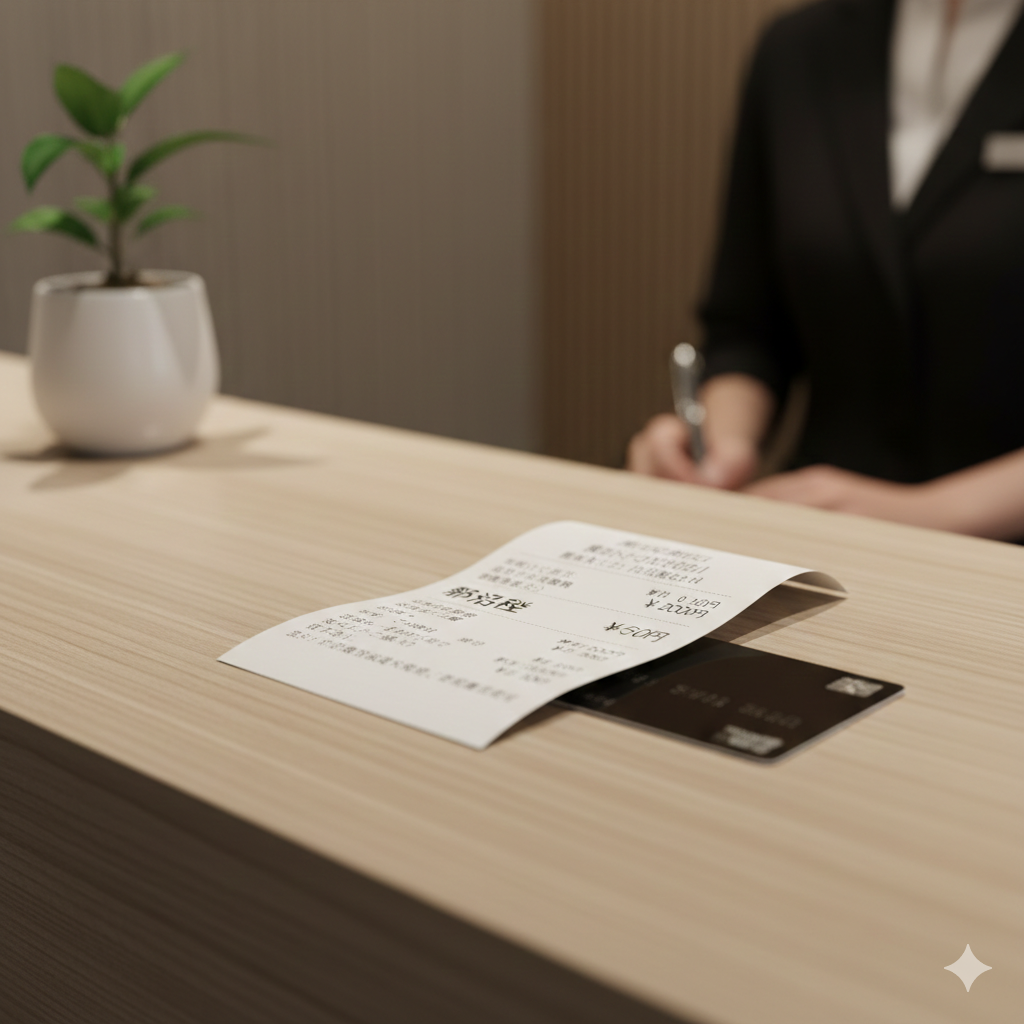
A high-end bento that originally cost ¥2,000 can suddenly be had for ¥1,200. The depachika transforms into a highly competitive, fast-paced bargain hunt—a phenomenon entirely unknown to the daytime tourist. If you are looking for a gourmet dinner on a budget, this is your mission.
Where to Descend: Three Essential Depachika
To begin your subterranean culinary journey, head to these renowned locations:
1. Isetan Shinjuku:
Often considered the gold standard. Its basement is famous for its dizzying array of both domestic and international specialties, boasting the widest selection of sōzai and fine wines.
2. Daimaru Tokyo Station:
Located right inside the Tokyo Station complex, this is incredibly convenient. It’s known for high-end, transport-friendly omiyage and bento boxes perfectly suited for taking on the Shinkansen (bullet train).
3. Takashimaya Nihombashi:
This location offers a slightly more traditional and elegant atmosphere, featuring historical confectioners and premium artisanal goods that speak to Tokyo's old merchant class.
The Conclusion: Go Downstairs and Start Eating
The Japanese department store food hall is a microcosm of the country’s entire food ethos—a celebration of quality, precision, artistry, and presentation. It is a place where you can sample, taste, and assemble a world-class meal from dozens of regional specialties, all while witnessing the quiet efficiency of Japanese retail at its finest.
Don't let the elevators pass you by. Skip the generic international chains and follow the locals down the escalator. The true, overlooked culinary treasure of Japan awaits you in the basement. Go down to the depachika and eat like an emperor for the price of a commoner.