Late-Night Ramen Adventures That Locals Don’t Post Online
When Tokyo Sleeps: The Ramen Secrets Behind the Dark Curtains
For many tourists, ramen is synonymous with the famous, iconic shops in downtown areas like Ichiran or Ippudo. But once the clock strikes 11 PM, Tokyo (and other major Japanese cities) begins to reveal its most authentic and hidden culinary face—a world where ramen is no longer a spectacle, but a comforting embrace needed by late-shift workers or salarymen who missed the last train.
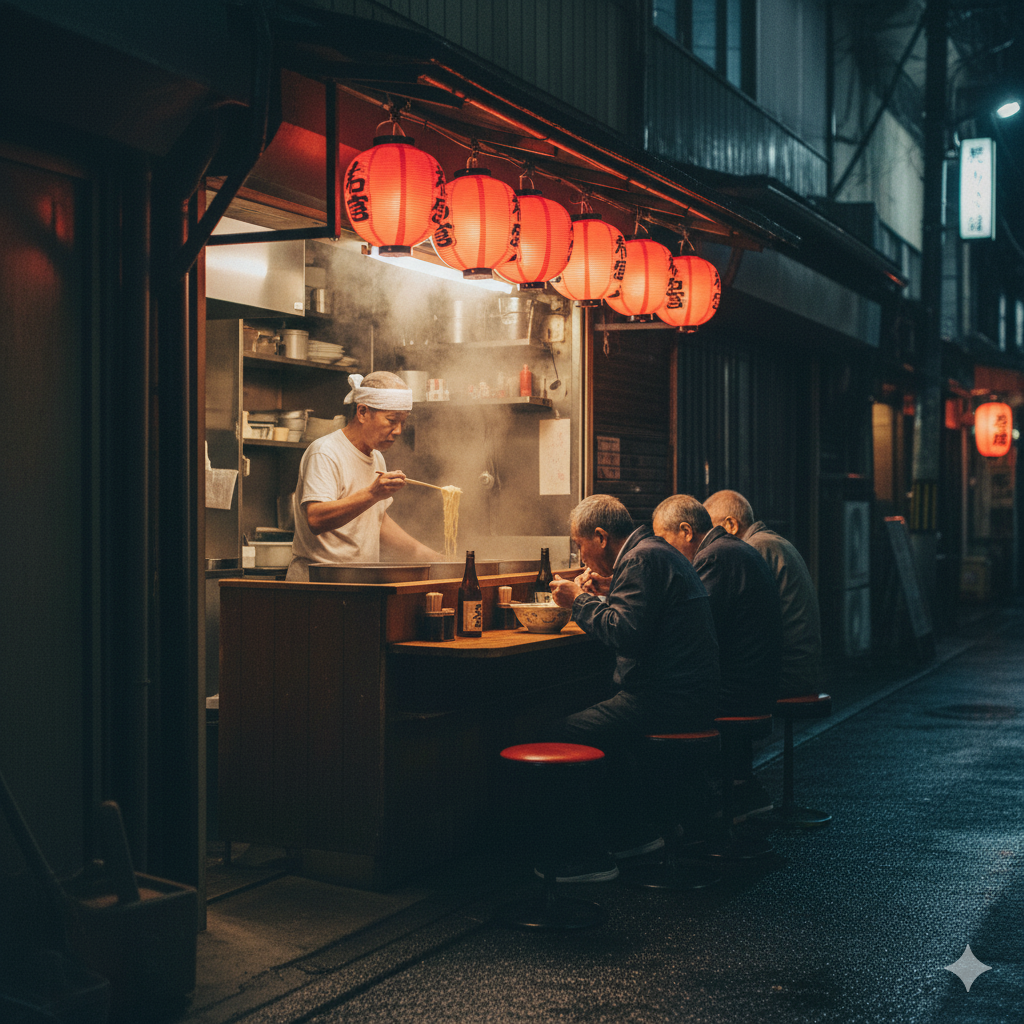
This is the world of ramen yatai (ramen carts) or tiny shops concealed behind worn curtains (noren) in narrow back alleys. They open when others close, and they serve truly soulful and honest ramen, which locals rarely (if ever) post on Instagram.
Why Don't Locals Post It? It's About the Moment, Not the View
There are several reasons why this "late-night ramen" rarely goes viral, and this is key to why the experience is so special:
A Personal Ritual: For locals, especially those who work hard until late, this ramen is a deeply personal ritual. It is a moment to unwind, savor a comforting meal, and recharge before heading home. It's a place for culinary meditation, not exhibition.
Exclusive Atmosphere: Most late-night ramen shops are tiny, often seating only 6 to 10 people. Posting them on social media means attracting crowds that would ruin the intimate atmosphere and create long queues for regular patrons. They guard this secret for communal comfort.
Focus on Flavor: These shops do not invest their money in decor, but rather in the broth (soup) and cooking techniques perfected over decades. Here, the quality of the melt-in-your-mouth chashu is paramount, not the perfect lighting for a photo.
Where to Find These Ramen Treasures
You won't find these spots in mainstream tourist guides. You need to follow a few insider clues:
Near Major Stations (The Backside): Look for small alleys behind non-main train station exits, particularly those close to business districts or late-night entertainment areas.
Follow the Scent: Trust your sense of smell. Authentic late-night ramen often uses a powerful Tonkotsu or Shoyu-based broth, the aroma of which will hang heavy in the cool night air.
Yatai or Red Lamps: Look for carts that light up small, hanging red lanterns typically positioned on street corners. They are mobile and only operate late at night. This is the most traditional and genuine ramen experience you can get.
Savoring Three Authentic Late-Night Ramen Experiences
Once you successfully locate one of these hidden gems, here are some authentic variations you might encounter and should try:
Ie-Kei Ramen (Yokohama Style): This is the perfect post-drinking choice. A rich Tonkotsu broth mixed with thick Shoyu, featuring unique toppings like spinach and sheets of seaweed. It is incredibly hearty, bold, and provides instant comfort.
Classic Shoyu Ramen: Usually found in shops that have been around for decades. Served with a light yet savory clear broth based on chicken or pork bones, it’s perfect for ending the night without feeling too heavy. Simple, elegant, and timeless.
Tsukemen (Cold Dipping Noodles): If you visit during the summer, some late-night shops will serve cold Tsukemen. Chewy, thick noodles are dipped into a hot, intensely concentrated broth. It is a fantastic experience of contrasting textures and temperatures.
Insider Etiquette When Eating Late-Night Ramen
To ensure you are respected as a patron and do not disrupt the almost sacred atmosphere, follow these unwritten rules:
In, Eat, Out (Quickly): Do not linger. Order, eat quickly, savoring every drop of the broth, and promptly vacate your seat for the next customer.
No Gadgets: Focus on your ramen. Avoid playing on your phone or taking excessive photos that could disturb other patrons.
Honor the Chef: Say "Gochisousama deshita" (Thank you for the meal) sincerely as you pay.
This late-night ramen adventure is your chance to see the real, unvarnished side of Japan—a place where food is restorative, and true enjoyment is found in simplicity, far from the social media spotlight.