Cash vs. Card in Japan 2025: The Payment Trend Tourists Don’t Expect
Japan: A Paradigm Shift in Payments in the Land of Innovators
Japan, a nation renowned for its technological innovation and efficiency, has paradoxically been a long-standing stronghold of cash payments. While much of the world has transitioned to cashless transactions, physical Japanese Yen notes and coins have remained king in many corners of the country. However, as we move toward 2025, Japan's payment landscape is undergoing a significant shift—a trend that many tourists might not anticipate.
For those planning to visit Japan soon, understanding this evolving payment dynamic is crucial. Should you still carry stacks of cash, or is it time to rely on cards and digital wallets? Let's dissect the payment trends in Japan for 2025.
The Past: The Unshakable Dominance of Cash
For decades, cash payments were the gold standard in Japan. There were several reasons behind this:
Cultural Trust: Japanese people have a high level of trust in physical cash, which is perceived as safer and more tangible.
Anonymity: Cash offers a valued level of anonymity.
Lagging Infrastructure: The adoption of adequate card payment terminals in small shops, local restaurants, and vending machines was relatively slow.
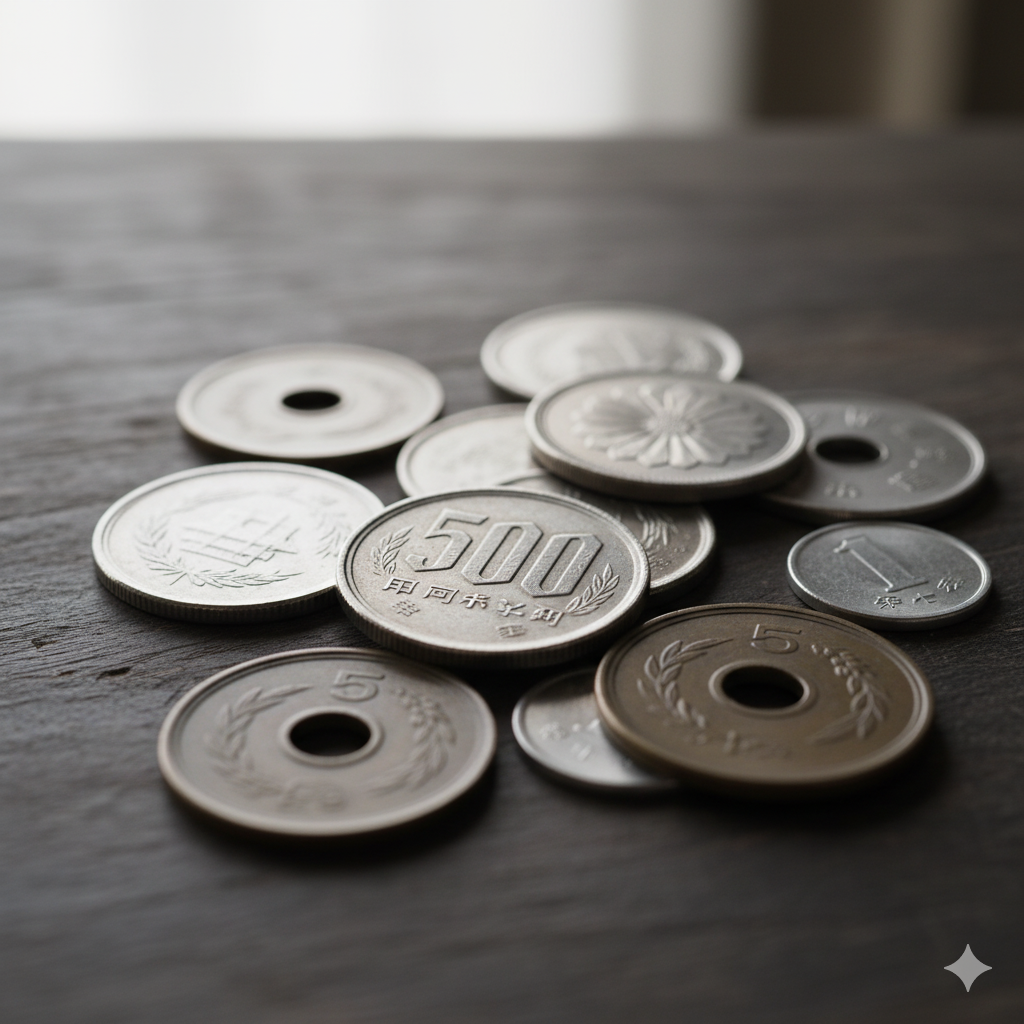
Valuable Coins: Japanese coins have high denominations (e.g., ¥500 is equivalent to about $3.50 USD), making them extremely useful for daily payments.
Consequently, past travelers were advised to always carry substantial amounts of cash, especially for places like temples, small shops in rural areas, or even some restaurants in large cities.
The Present & Future Trends: The Cashless Wave Sweeps Japan
The COVID-19 pandemic acted as a major catalyst for the adoption of cashless payments in Japan. The need for contactless transactions, coupled with government and payment operator initiatives, has accelerated a change that was previously moving slowly.
1. Rapidly Increasing Credit/Debit Card Acceptance:
Current State: Almost all hotels, major department stores, chain restaurants, convenience stores (konbini), and electronics stores now accept credit cards (Visa, Mastercard, Amex, JCB).
Future: Acceptance is expanding to smaller shops and restaurants, especially in tourist areas. You will increasingly rarely find a place that is cash-only in major city centers.
2. The Rise of IC Cards (Transit Cards) as a Payment Tool:
Current State: IC cards like Suica or Pasmo, originally intended for transportation, have become multipurpose payment tools.
Future: This is the trend that is likely most surprising for tourists. You can use Suica/Pasmo to pay at convenience stores, vending machines, taxis, many restaurants, cafes, and even some souvenir shops. This is incredibly convenient because you already possess this card for train travel.
3. Digital Wallets and QR Code Payments (PayPay, Line Pay, etc.):
Current State: QR code payments are extremely popular among locals.
Future: Although primarily popular among locals, some shops are beginning to accept services that are also popular with international tourists, such as Apple Pay or Google Pay linked to credit cards. However, local apps like PayPay will remain dominant.
What This Means for Travelers in 2025
No Need to Panic Over Carrying Too Much Cash: You no longer need to carry stacks of cash. The majority of your needs in large cities can be met with a credit/debit card or an IC card.
IC Cards are King for Small Transactions: For purchases at konbini, drinks from vending machines, or taxi rides, the IC card is the fastest and easiest method. Reload the balance at train stations or konbini.
Still Carry a Small Amount of Cash: Although the cashless trend is growing, exceptions still exist. Small temples in the countryside, food stalls at festivals, certain highly authentic local restaurants, or entrance fees to specific attractions might still be cash-only. Having around ¥10,000–¥20,000 in cash in your wallet is a good idea for these "emergencies."
Consider Transaction Fees: Be mindful of currency conversion fees or foreign transaction fees that your bank might impose when using credit/debit cards.
Conclusion: Balance is Key
By 2025, Japan has transformed into a much more cashless-friendly country than ever before. The unshakable dominance of cash is receding, replaced by increased credit card acceptance and, most importantly, the versatile use of IC cards as a payment tool.
For travelers, this means a more convenient and practical trip. However, do not leave cash entirely at home. A balance between cards and a small amount of cash is the best strategy to enjoy your journey in Japan seamlessly, ready to face any unexpected payment trends.