Seasonal Foods in Japan November: What Locals Actually Eat
November: The Gateway to Winter and the Peak of Autumnal Delights
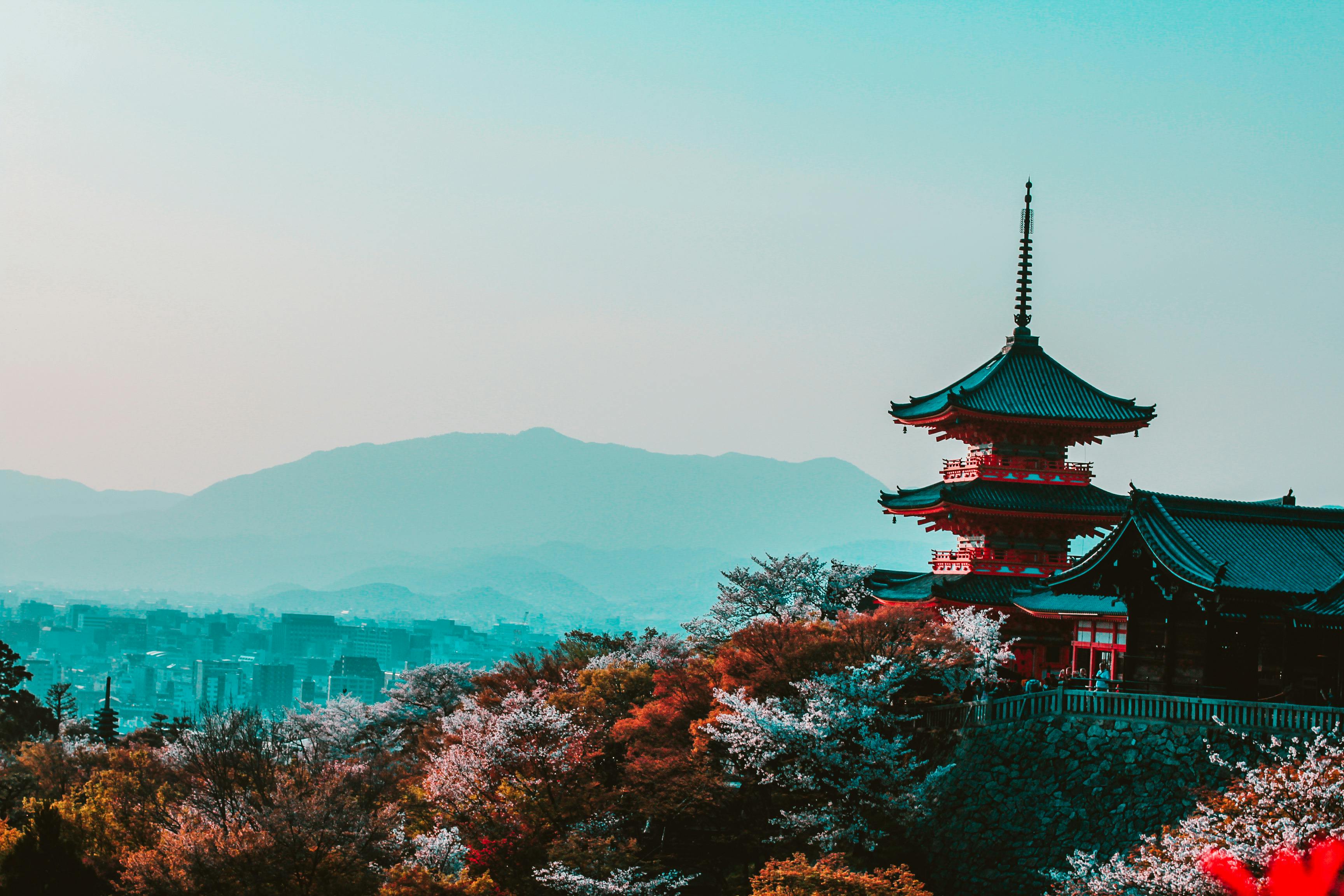
November in Japan is a special transitional month. The air begins to chill, the momiji leaves reach their peak color, and nature delivers its final bountiful harvest before the snows arrive. For Japanese cuisine, this period—known as the height of shokuyoku no aki (the autumn appetite)—is when ingredients from both the mountains (yama no sachi) and the sea (umi no sachi) are at their absolute best.
While tourists often stick to the famous seasonal dishes, locals know that November holds much deeper culinary secrets. Here are the authentic dishes, ingredients, and flavor experiences that Japanese residents truly enjoy as temperatures begin to drop.
I. Gems from the Sea: Peak Autumnal Richness
November is when the waters around Japan start to cool, directly enhancing the quality and fat content of certain seafood, making it supremely delicious.
Buri (Adult Yellowtail): Although buri is better known as a winter food (kan-buri), by November, the fish has already begun accumulating its essential fats. Known for its rich flavor and firm texture, buri is often enjoyed as sashimi or cooked into buri daikon (yellowtail simmered with daikon radish).
Kani (Crab): The crab season, particularly for Snow Crab (Zuwaigani) and the Female Snow Crab (Kobako-gani), is just beginning. In prefectures like Fukui or Kanazawa, locals flock to savor steamed or grilled crab dishes.
Seasonal Sake (Salmon): Autumn salmon, especially varieties returning from the ocean, are rich in nutrients. Salmon is frequently cooked in a nabe (hot pot) or prepared as a simple grilled dish with salt.
II. Treasures from the Land: Earthy, Grounded Flavors
November is the month when crops grown in the soil reach their peak ripeness, offering warm and satisfying flavors.
Satsumaimo (Japanese Sweet Potato): Unlike Western sweet potatoes, Japanese satsumaimo is intensely sweet with a chestnut-like texture. It is one of the most sought-after autumn snacks.
How Locals Enjoy It: Eaten as yaki-imo (baked sweet potato sold from carts), or transformed into traditional desserts like daigaku-imo (sweet potatoes coated in a caramelized syrup).
Kabocha (Japanese Pumpkin/Squash): This squash has a sweeter flavor and denser texture than typical pumpkins. Kabocha is a staple ingredient in winter family meals.
How Locals Enjoy It: Cooked as nimono (simmered in dashi broth and soy sauce), often serving as a comforting side dish.
Kaki (Persimmon): This sweet and crunchy fruit floods the markets in November. For locals, kaki is a delicious symbol of the season.
How Locals Enjoy It: Eaten fresh, or dried to make hoshigaki (dried persimmon) which becomes a sweet, luxurious snack.
III. Early Winter Comfort Dishes (Welcoming the Cold)
As temperatures in November start to drop sharply, warming, broth-based dishes begin to dominate the daily Japanese menu.
Oden: This is a winter classic that starts appearing in convenience stores (konbini) and local stalls. It features various ingredients (boiled eggs, daikon radish, fish cakes) simmered in a light, savory dashi broth. This is a favorite konbini meal for locals late at night.
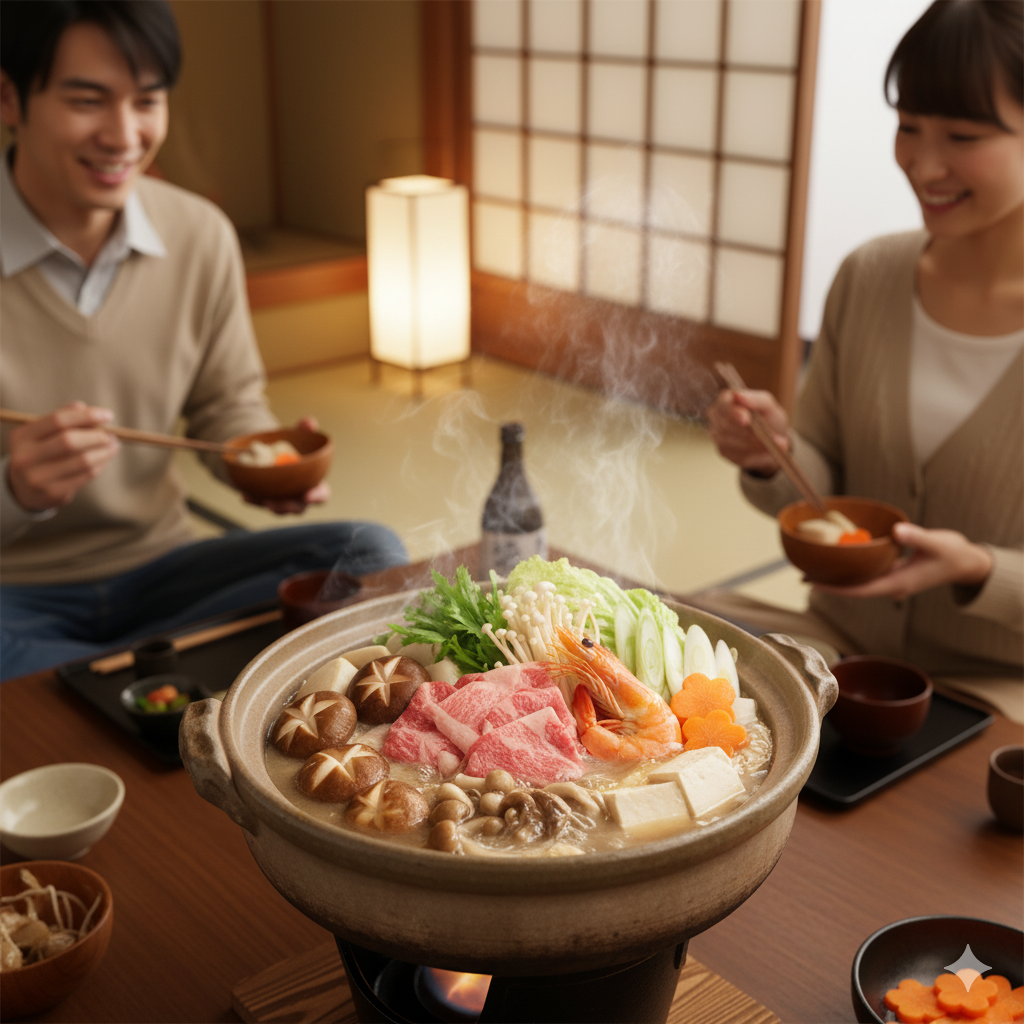
Nabe Ryori (Hot Pot): Hot pot dishes become the centerpiece of family dinners. Nabe can vary from Yose Nabe (with mixed vegetables and seafood/chicken) to Kimchi Nabe (spicy and warming), perfect for sharing under a warm kotatsu table.
Miso Ramen: Though ramen is available year-round, rich and thick miso broth ramen, often served with corn and butter, becomes a preferred choice to combat the cold evening air.
Conclusion: Savor the Warmth of November
Tourists might look for matcha or sushi in November, but locals are seeking dishes that offer comfort and the taste of the peak season. To truly experience the authentic cuisine of Japan in November, step away from the tourist menus for a while. Look for the aroma of yaki-imo on the streets, enjoy a warm bowl of oden from the konbini after dark, or order buri daikon at a local izakaya. This is the authentic flavor of Japan on the cusp of winter.