Where Tourists Can Actually Find Short-Term Apartments Legally in Japan
Short-Term Accommodation: Unraveling the Complexities of Japanese Rental Rules
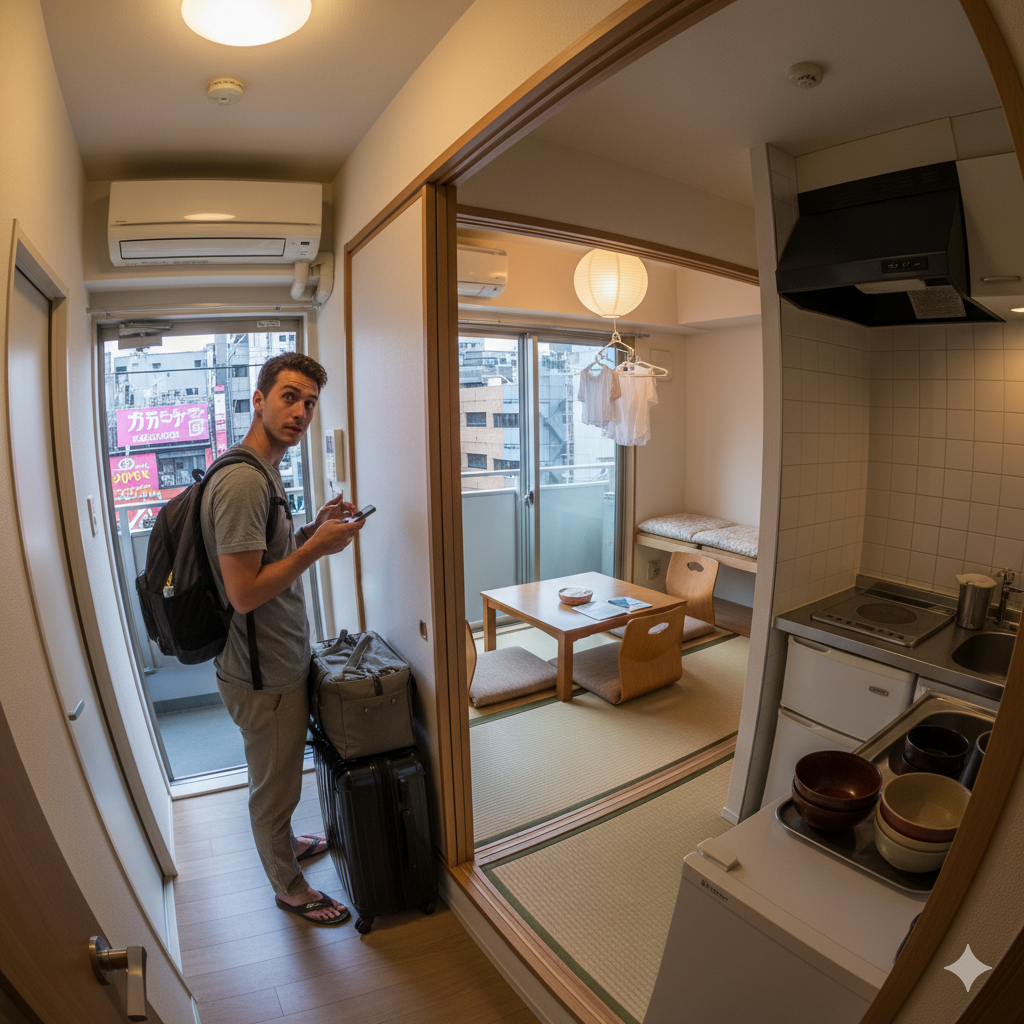
Many travelers planning to stay in Japan for more than just a few days—a month, two months, or even longer—often seek short-term accommodations that offer more space and kitchen facilities compared to hotel rooms. In other countries, this solution is usually easy to find through short-duration apartment rentals.
However, in Japan, particularly after the enforcement of the Minpaku (Private Lodging Business Law) in 2018, short-term rental rules are very strict. It is crucial for tourists to understand that not every property advertised online is legal. Renting illegally can lead to sudden cancellations, fines, or issues with immigration.
Here is a guide on where tourists can genuinely find short-term apartments legally in Japan.
Three Main Categories of Legal Short-Term Accommodation
To ensure your accommodation is legal and secured, focus your search on these three categories:
1. Registered Minpaku (Short-Term Private Lodging)
Minpaku refers to houses or apartments rented out for a short duration. The key to its legality is official registration under the 2018 law.
Typical Duration: Generally less than 30 days.
Legality: The property must have a Minpaku license number issued by the local government (e.g., an M-number in Tokyo).
Where to Look:
Major Platforms (Airbnb, Booking.com): Your search filter should be set to only display properties that clearly list their license number in the description. Major platforms are now required to delist illegal properties, but double-checking is always advised.
Japan-Specific Aggregator Sites: Websites focusing on legal rentals that adhere to Minpaku regulations.
Important Note: Minpaku properties in residential areas may have restrictions, such as not being rentable for more than 180 days per year.
2. Serviced Apartments
This is the best option for tourists seeking the convenience of a hotel with the amenities of an apartment, particularly for stays between one month and one year.
Typical Duration: 30 days or more.
Legality: These properties operate under the Hotel and Ryokan Business Act, meaning they are fully legal for both long-term and short-term rentals.
Advantages: They offer regular housekeeping, security, and a front desk (reception) much like a hotel. They come fully furnished, with a complete kitchen, and utilities (electricity, water) are usually included in the rental price.
Where to Look: Search for major Japanese property management companies specializing in Serviced Apartments in large cities (such as Tokyo, Osaka, or Nagoya).
3. Guest Houses and Share Houses (Mid-Term Option)
While more oriented towards communal living, guest houses or share houses often offer private rooms for rent on a monthly basis.
Typical Duration: Minimum 1 month (30 days).
Legality: These usually operate under a lodging license and are legal. This is a great choice if you are looking for a more affordable price point, the opportunity to socialize with locals or other travelers, and don't mind sharing communal kitchen or bathroom facilities.
Where to Look: Platforms focused on share houses and guest houses in Japan.
The Risk of Illegal Rentals (And How to Avoid Them)
If you see a suspicious rental listing on international platforms, beware of the following signs indicating illegality:
No License Number: If the property does not list a Minpaku license number (or a Hotel/Inn license number) in the description, do not rent it.
Requests to Pretend: The host asks you to lie to neighbors or building staff that you are their "friend" or "relative."
Cash-Only or Off-Platform Payments: Payments requested outside of the official platform are often an indication that the host is trying to avoid taxes and regulations.
Strange Check-in Rules: For example, being instructed to pick up the key in a hidden location or being told not to speak to others in the building.
Conclusion: Prioritize Legality for Peace of Mind
Finding a short-term apartment in Japan requires a bit of extra effort, but this investment of time will yield peace of mind. Focus your search on fully legal Serviced Apartments or officially registered Minpaku properties. By choosing the legal route, you avoid the risk of last-minute cancellations and ensure your trip proceeds smoothly as planned.