Airport Immigration Lines in November: The Real Wait Times Revealed
November at Japanese Airports: Peak Autumn Brings the Crowds
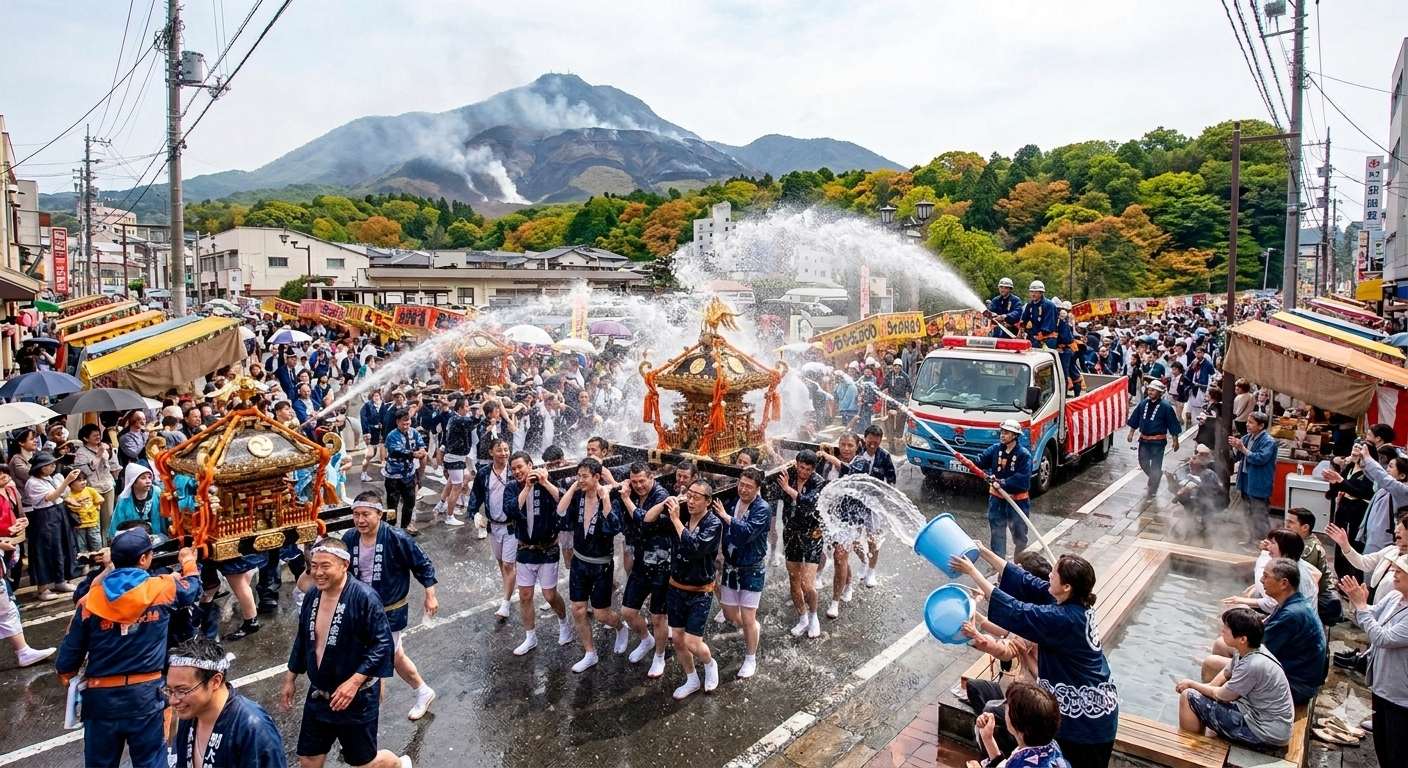
November is one of the most beautiful and busiest periods in Japan, thanks to the momiji phenomenon (the crimson autumn leaves). This beauty attracts a wave of international tourists, meaning major airports like Narita, Haneda, and Kansai (KIX) will be operating at very high capacity.
For travelers, the biggest concern after a long flight is not finding a taxi, but getting through the immigration gates. What are the actual wait times to clear immigration at Japanese airports in November? Here is an analysis based on trends and key factors.
Why Are Lines in Japan Slow? The Three Key Factors
Wait times at Japanese airports are not just about the number of people in the queue. There are three main factors that determine how quickly you will exit:
1. Arrival Time (Peak Hours): The peak arrival period is typically between 2:00 PM and 6:00 PM (afternoon), when many long-haul flights from Asia and Europe land. Lines during these hours can be two to three times longer than in the early morning.
2. Document Readiness (Digital vs. Paper): Tourists who have completed the Visit Japan Web registration process (including immigration and customs declaration) beforehand, and show the QR codes, will pass through much faster.
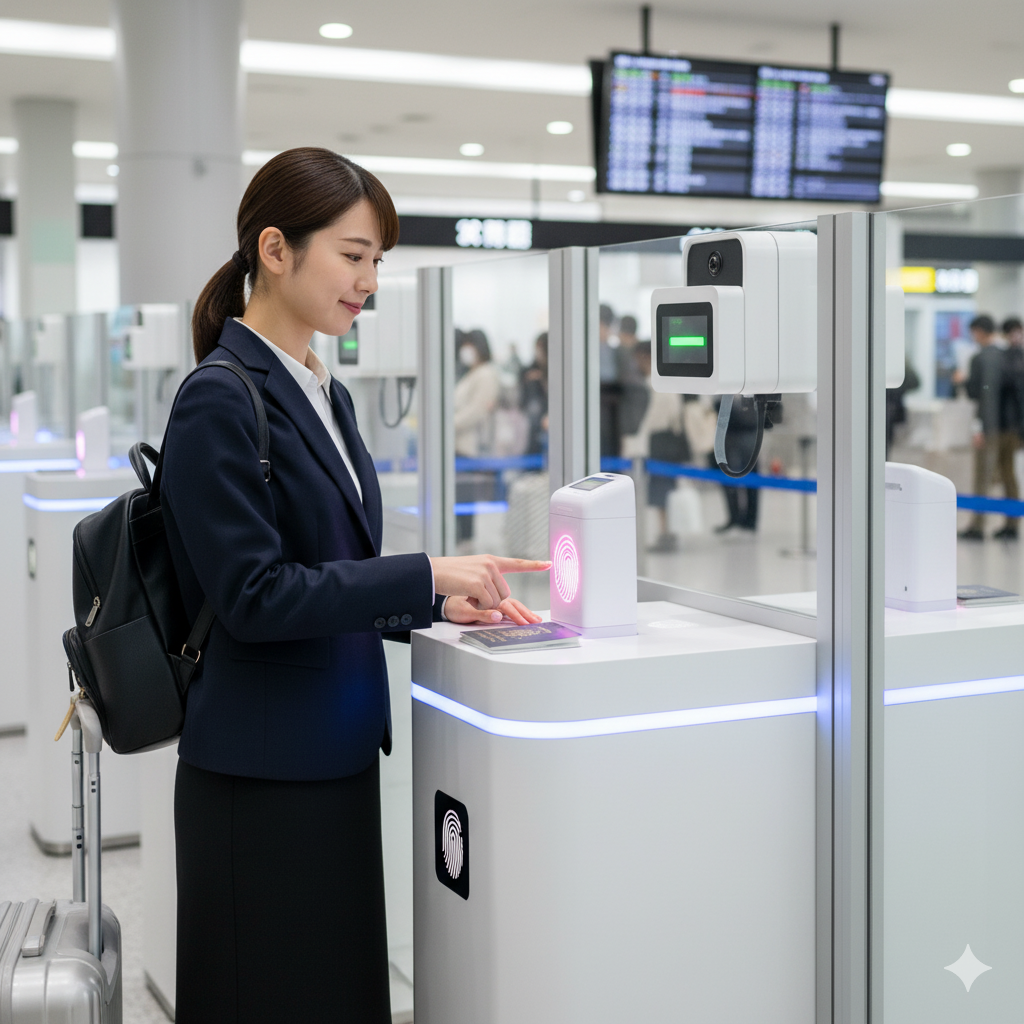
3. Availability of Autogates and Staff: Major airports now have e-gates for Japanese citizens and residents. However, autogates for tourists (which require fingerprint registration upon arrival) are also increasingly available, helping to reduce the load on manual counters.
The Real Immigration Wait Times at Major Airports
Here is the estimated immigration wait time for major airports in Japan during the peak November season, based on averages and worst-case scenarios.
Narita (NRT) and Kansai (KIX): Prepare for Extra Patience
Narita and Kansai tend to have the longest wait times because they are major hubs serving many charter flights and low-cost carriers (LCCs) from Asia. The average wait time during non-peak hours ranges between 15 to 35 minutes.
However, if you arrive between 2:00 PM and 6:00 PM, prepare for the worst-case scenario. Wait times at Narita and Kansai can climb to 45 to 100+ minutes. A scenario exceeding 90 minutes is highly possible if two or three jumbo flights land in close proximity around 3:00 PM.
Haneda (HND) and Fukuoka (FUK): More Efficient
These airports are generally known to be quicker. Haneda, being closer to central Tokyo, has newer infrastructure and handles more full-service flights with a higher percentage of digitally prepared tourists. The average wait time at Haneda and Fukuoka tends to be shorter, around 10 to 25 minutes during normal hours.
Despite being more efficient, peak times still occur. At Haneda, peak waits rarely exceed 75 minutes, while at Fukuoka, peak waits typically range from 30 to 60 minutes.
It is important to remember: The times mentioned above only cover the passport check process at the immigration counter, and do not include the time spent waiting for baggage at the carousel and going through customs clearance.
Smart Tactics to Significantly Shorten Your Wait
You can proactively cut down your immigration wait time significantly through digital preparation.
1. Utilize Visit Japan Web (Essential!)
This is the most important tactic. Before departure, complete the immigration and customs declaration registration online via the official Visit Japan Web site. This process will provide you with QR codes that drastically speed up your entry. Upon arrival, look for and follow signs to the dedicated lane for QR code users. This lane moves much faster than the manual paper form lane.
2. Prioritize Compliance and Speed
Ensure all necessary fields in Visit Japan Web are completely filled out (especially the address of your first accommodation and contact details). Incomplete information is the main cause of delay, as officers will have to ask you to manually re-enter the data.
3. Quick Transfer to Customs
After clearing immigration, pick up your baggage, and head immediately to the Customs area. The Customs process is now mostly done via electronic kiosks using your QR code. This process is far quicker and more efficient than filling out the traditional yellow paper form.
Conclusion: Preparation Conquers the Crowds
In November, crowds at Japanese airports are inevitable. However, the actual wait time largely depends on your preparation. By utilizing Visit Japan Web and avoiding peak arrival hours (if possible), you can turn an experience of waiting 90 minutes into a mere 20–30 minutes. Plan your trip, prepare your QR codes, and enjoy your valuable time in Japan sooner.