Japanese Airbnb Hosts’ Strict Rules That Shock Tourists
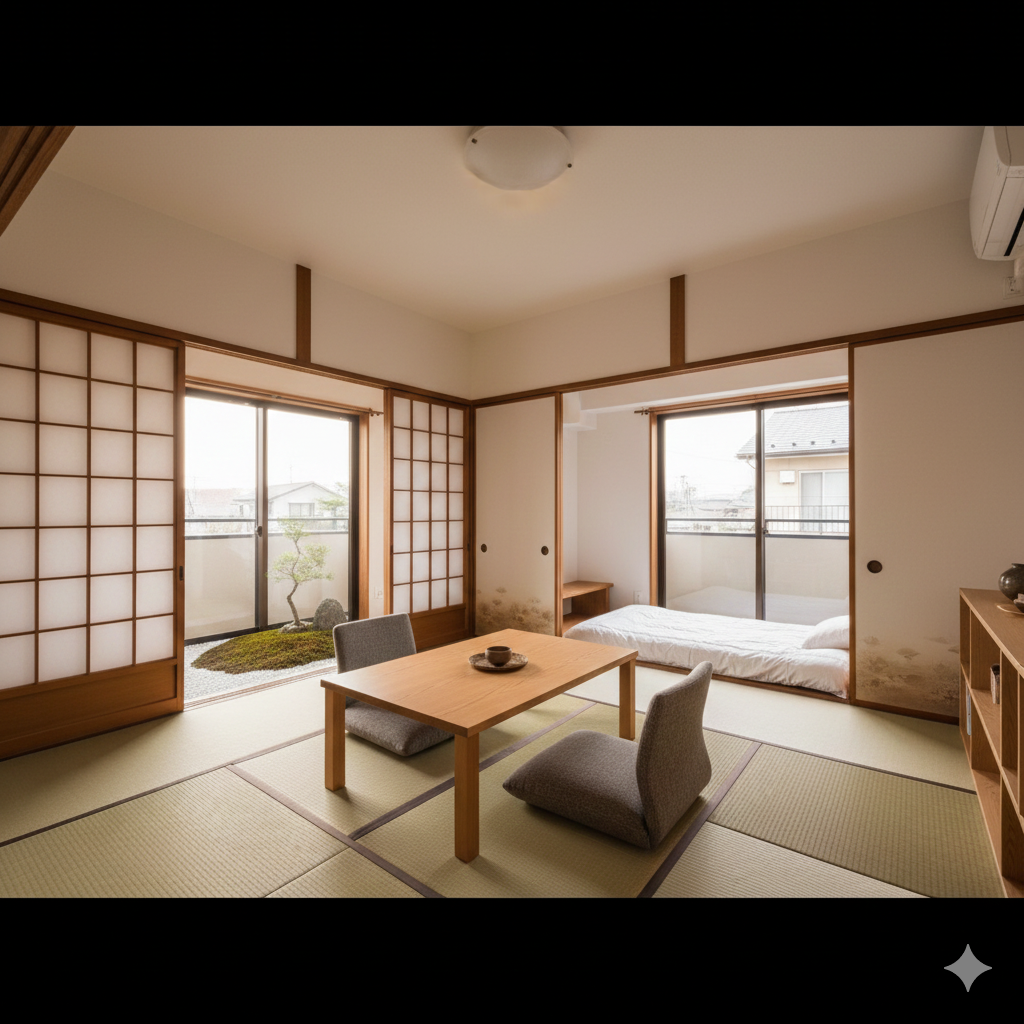
A Cultural Clash Hidden in Home-Stays
Japan’s reputation for cleanliness, safety, and orderliness shapes nearly every aspect of daily life, including its Airbnb culture. Travelers expecting a relaxed, hotel-like stay often find themselves navigating an unexpectedly strict set of expectations. What initially feels excessive usually becomes understandable once the cultural context is clear, though the first impression can be surprising.
The Unbreakable No-Shoes Rule
One of the earliest shocks comes right at the entrance: shoes must come off immediately, with no exceptions. Many visitors know about Japan’s no-shoes tradition, but few realize how uncompromising it can be. Hosts often leave prominent signs, send reminders, and make it clear that any trace of outdoor footwear inside the living space is unacceptable. For Japanese hosts, allowing dirt onto indoor floors isn’t just a cleaning issue—it’s viewed as disrespectful.
The Complexity of Japanese Trash Sorting
Another challenge emerges the moment guests try to take out the trash. Japan’s waste-sorting system can feel more complicated than a puzzle game, with categories for burnable waste, non-burnable items, cans, glass, PET bottles, and multiple types of plastics. Many hosts provide manuals with step-by-step instructions, and some require guests to wash recyclables before disposing of them. These rules exist not out of personal preference but because cities impose strict guidelines, and hosts can be penalized if guests sort waste incorrectly.
Quiet Hours That Begin Earlier Than Expected
Noise is a sensitive topic in Japanese neighborhoods, which are known for being remarkably quiet. Many Airbnbs enforce quiet hours that begin as early as nine in the evening. Some hosts discourage showering or using the washing machine late at night, and they often remind guests to avoid talking loudly in hallways, elevators, or near the building entrance. A single noise complaint from a neighbor can jeopardize a host’s ability to continue renting, so these rules are often enforced with extra care.
No Visitors—Not Even for a Minute
A rule that surprises many tourists is the strict limitation on visitors. Most Japanese Airbnbs allow only the guests listed on the reservation to enter the property. Even a short visit from a friend is typically not allowed. This reflects both safety concerns and legal expectations under Japanese accommodation laws, which require hosts to account for every person staying on the premises.
Unexpectedly Detailed Checkout Expectations
The checkout process can feel more involved than in Airbnbs elsewhere. Guests are often asked to take out trash, wash and store dishes, remove bed linens, and arrange slippers neatly before leaving. These tasks help hosts maintain the high standards of cleanliness expected by property managers and neighbors, especially in tightly packed apartment buildings.
Bathroom Etiquette and Laundry Rules
Japanese bathrooms, though modern and efficient, come with their own set of instructions. Guests may be asked to dry the bathroom after every shower, manage humidity carefully, or use the deep soaking tub in specific ways. Laundry rules vary by neighborhood, with some areas discouraging outdoor drying because of local customs or building agreements. Hosts pass these nuances on to their guests to avoid complaints.
The Surprising Rule About Not Talking Outside
Perhaps the rule that shocks visitors most is the request to avoid talking outside the building. Even normal-volume conversation near the entrance can disturb neighbors in Japan’s quiet residential areas. Hosts therefore encourage guests to enter and exit quietly, avoid lingering outdoors, and minimize noise at all times around the property.
Why These Rules Feel So Strict
Although these expectations may seem intense to newcomers, they reflect a society built on shared respect, community harmony, and attentiveness to the people around you. Japanese hosts aren’t being strict for the sake of strictness—they are navigating cultural norms and regulations designed to protect neighborhood peace and prevent conflict.
Adapting for a More Enjoyable Stay
For travelers, embracing these customs can turn an initially overwhelming experience into a uniquely immersive one. Approaching a Japanese Airbnb with an open mind—not as a hotel substitute but as a chance to live respectfully within a community—helps visitors enjoy the stay more fully. What first shocks tourists often becomes a memorable learning moment and a deeper insight into Japanese daily life.