Transitioning from Physical to Digital Suica/Pasmo: How to Use on iPhone & Android
Seamless Integration for iPhone Users
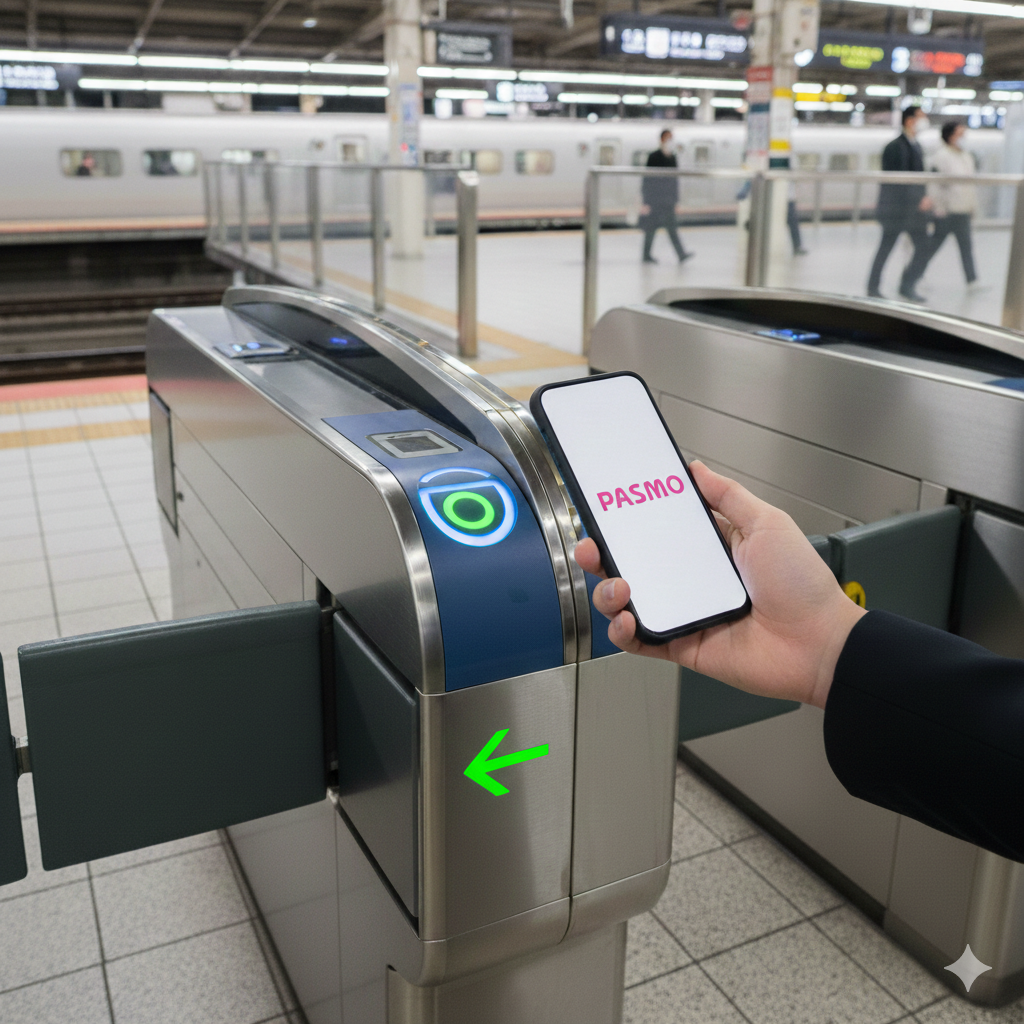
For iPhone users, switching to a digital Suica or Pasmo is highly practical as it does not require downloading external apps. You simply open the Wallet app, tap the plus (+) button, select the transit card option, and search for Suica or Pasmo from the provided list. Once you set your initial balance, the digital card is activated instantly, and the Express Mode feature is automatically enabled. This allows you to tap the top of your iPhone against the ticket gate without needing to wake the screen or use Face ID.
Challenges and Specific Requirements for Android Users
Unlike the iPhone, using a digital Suica or Pasmo on Android involves specific technical limitations. To function, the Android device must support FeliCa technology or feature Osaifu-Keitai, which is typically only found on phones manufactured for the Japanese market. If your device supports this, you can add the card through Google Wallet or the dedicated Suica app. However, for tourists with global Android models, physical cards remain the most recommended choice as most international devices are not yet compatible with Japan's tapping system.
Top-Up Process and Balance Flexibility
One of the primary advantages of the digital version in 2026 is the ease of topping up your balance at any time through Apple Pay or Google Pay without searching for station ticket machines. Furthermore, Japanese authorities have increased the maximum balance limit for digital cards to 300,000 yen to support larger shopping transactions at retail stores and restaurants. If you still have an old physical card, you can also transfer the remaining balance to the digital version simply by placing the card against the back of your phone through the instructions in the Wallet app.
Travel Efficiency Without Physical Cards
Using a digital version not only reduces the risk of losing your card but also speeds up your mobility through crowded station gates. You can monitor your balance in real-time and view your travel history directly on your phone screen, which is extremely helpful for tracking daily expenses. Although physical cards have been back in normal circulation since 2025, switching to digital offers more benefits for long-term travelers due to more flexible expiration rules and the elimination of the 500-yen physical deposit fee.