Kyoto: The City of a Thousand Temples and the Charm of Japan's Past
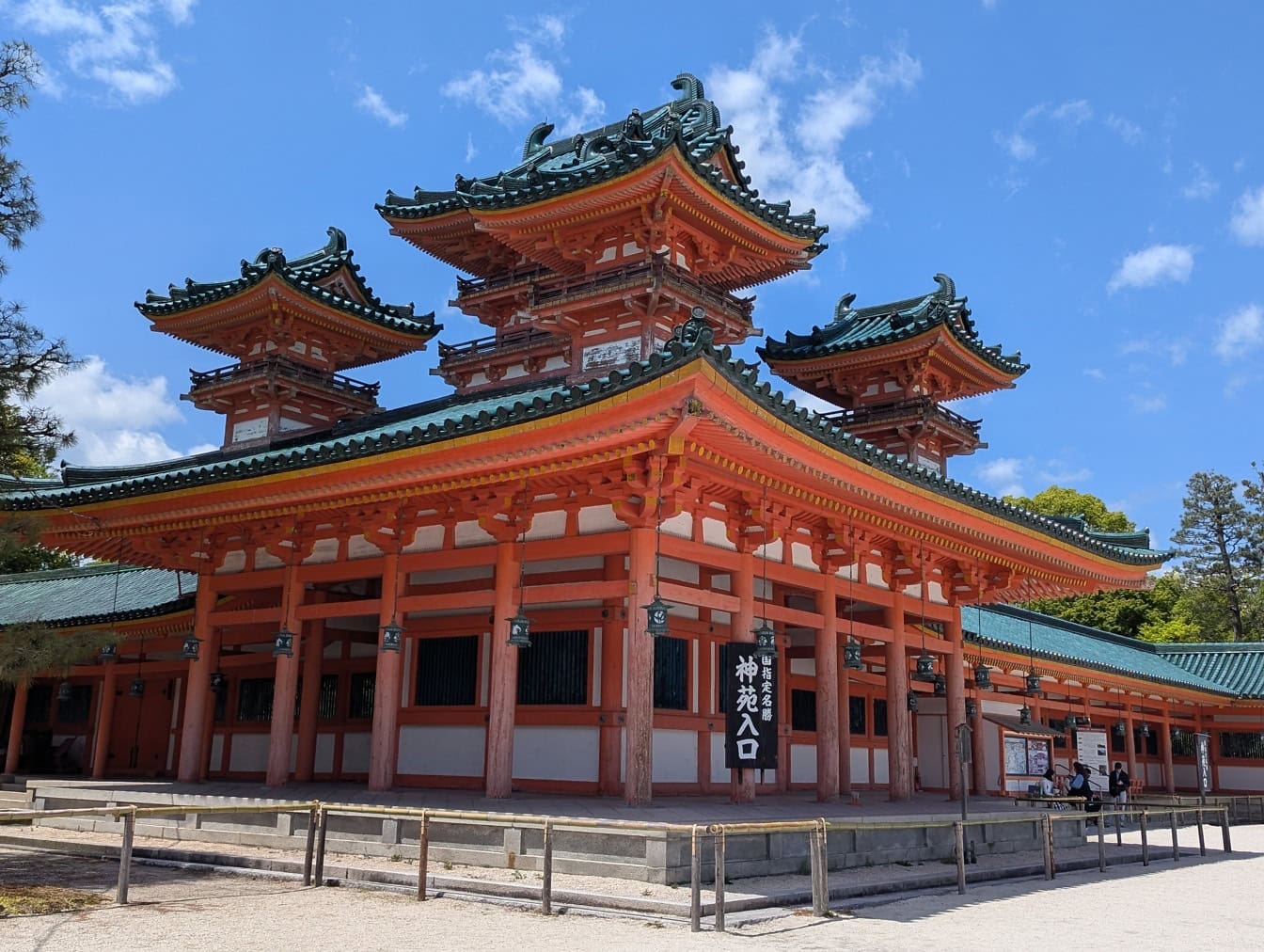
If Tokyo is a reflection of Japan’s future with its neon glow and fast pace, then Kyoto is a window into the past—a place where time seems to slow down, and every step leads us into a chapter of history that remains alive today. Located in the heart of Honshu Island, this city served as the capital of Japan for over 1,000 years, specifically from 794 to 1868. The nickname "City of a Thousand Temples" is not merely a metaphor; according to the Kyoto City Tourism Association (2024), there are more than 1,600 Buddhist temples and 400 Shinto shrines scattered throughout the city. For travelers, Kyoto is a magical blend of spirituality, classic architecture, and a tranquility that is hard to find in other modern cities.
Living Traces of History in Every Corner of the City
Kyoto is not just a city, but a living canvas of Japanese history itself. When Emperor Kanmu moved the capital to Kyoto in 794, he named it Heian-kyo, which means "City of Peace and Prosperity." For centuries, Kyoto was the political, cultural, and spiritual center of Japan, the birthplace of classical arts such as ikebana (flower arranging), noh (theater drama), and chanoyu (tea ceremony). To this day, traces of that golden age can still be felt in every stone alley, Zen garden, and moss-covered wooden roof.
After the capital moved to Tokyo in 1868, Kyoto maintained its charm. Amidst the current of modernization, the city has successfully preserved its traditional heritage without losing relevance in the present day. According to UNESCO, Kyoto has 17 World Heritage sites, including Kinkaku-ji Temple, Ginkaku-ji, and Nijo Castle. Data from the Japan National Tourism Organization (JNTO, 2025) shows that Kyoto receives over 55 million visitors per year, with about 28% of them being international tourists. Interestingly, this number continues to rise even though the city has implemented limits on tourist numbers in several areas to maintain environmental sustainability and local culture.
Temples and Timeless Beauty
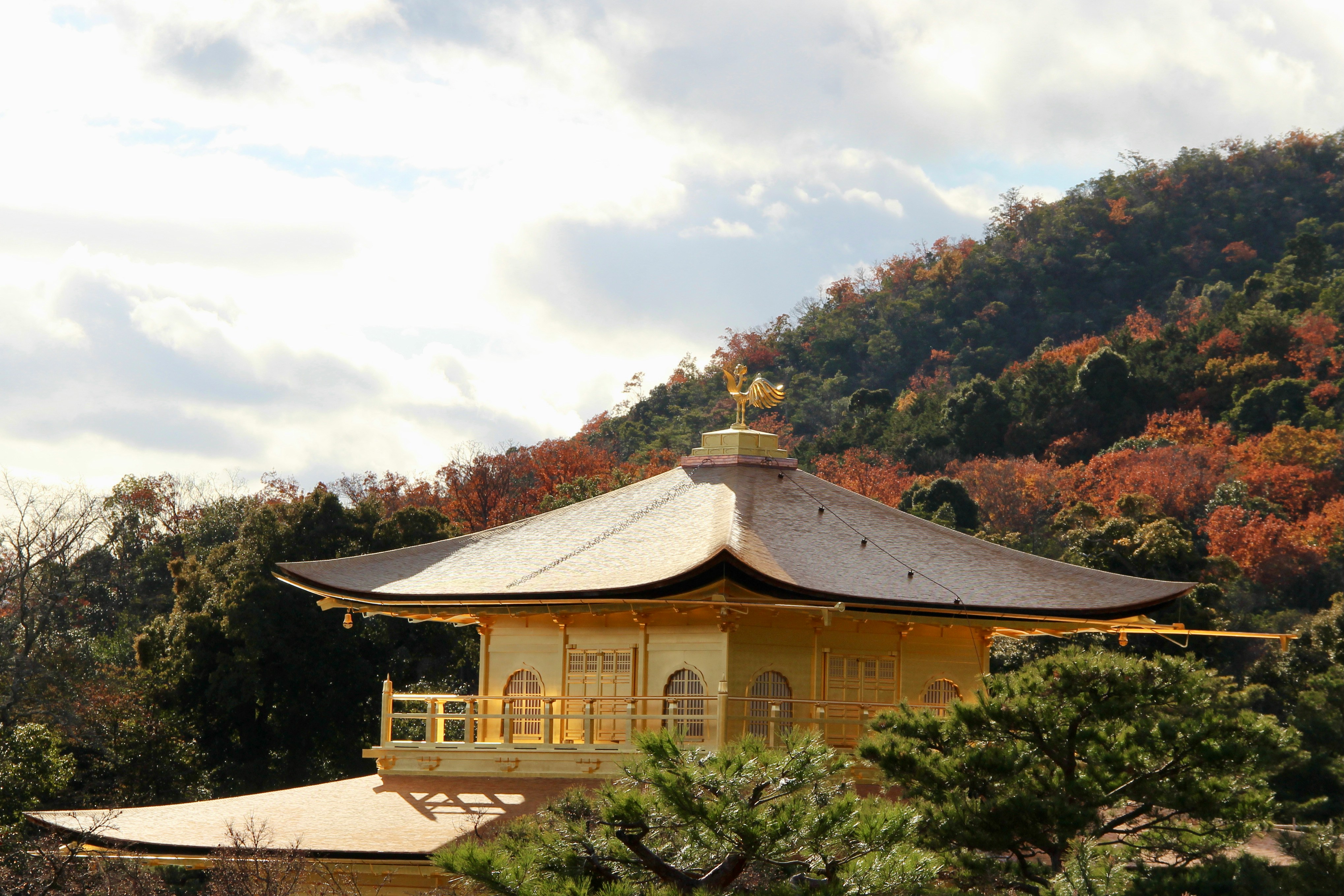
It feels incomplete to talk about Kyoto without mentioning its legendary temples. One of the most famous is Kinkaku-ji, or the Golden Pavilion. This three-story building, whose entire exterior is covered in gold leaf, appears to shimmer under the sunlight and reflects a perfect shadow upon the Kyoko-chi pond. Built in the 14th century as a retirement villa for Shogun Ashikaga Yoshimitsu, Kinkaku-ji is now a symbol of classic Japanese architectural elegance. Every year, this temple attracts over 6 million visitors, making it one of the most popular sites in all of Japan.
Not far from there is Fushimi Inari Taisha, a Shinto shrine famous for thousands of bright red torii gates that form a long tunnel leading toward the summit of Mount Inari. Founded in the 8th century, this shrine is dedicated to Inari, the god of fertility and fortune. Based on data from the Kyoto Prefectural Government (2024), an average of 3 million tourists hike the torii path every year. Interestingly, nighttime visits have increased by 15% in the last three years due to its mystical charm under the glow of lanterns.
However, Kyoto is not only about temples and ancient monuments. The city is also home to Zen gardens that radiate beauty through simplicity. One of these is Ryoan-ji, famous for its rock garden (karesansui) containing 15 large stones arranged on a bed of white sand. Fascinatingly, from any vantage point, visitors can only see 14 stones! This symbolizes the Zen teaching that perfection can never truly be achieved. It is a symbol that is elegant, philosophical, and calming all at once.
Gion and Arashiyama: Two Romantic Faces of Kyoto
Moving from temples to the city atmosphere, the Gion district is where Kyoto displays its most romantic side. This is where geiko (Kyoto geisha) and maiko (apprentice geisha) still carry out their activities, guarding traditions that have existed since the 17th century. At dusk, the stone-paved streets lit by paper lanterns create an aesthetic atmosphere like something out of a movie. If you are lucky, you might see a maiko walking gracefully in a pastel-colored kimono and an intricate hairstyle. This moment is sure to captivate anyone who sees it.
On the western side of Kyoto, the Arashiyama district offers a natural beauty that is contrasting yet balanced. The towering Arashiyama bamboo forest is one of the most photographed destinations in Japan. According to TripAdvisor Japan (2024), approximately 7.2 million tourists visit Arashiyama each year. During spring, cherry blossoms decorate the banks of the Katsura River, while autumn brings views of stunning golden-red foliage. The Togetsukyo Bridge, which means "moon crossing bridge," has become an icon of the area, especially at night, where soft light reflects the silhouettes of bamboo and the calm flowing river water.
Besides nature tourism, Arashiyama also holds strong cultural value. Many traditional inns (ryokan) here offer hot spring (onsen) experiences with views of the mountains and bamboo forests. There are even kaiseki ryori restaurants (Kyoto-style multi-course meals) that have stood for over 300 years, maintaining the same flavors as in the Edo period. This is the blend of beauty and tranquility that makes Kyoto more than just a destination, but also a spiritual experience.
Modern Kyoto: Between Tradition and Innovation
Although known as a traditional city, Kyoto is not trapped in the past. The city has successfully balanced modern progress with cultural preservation. Around the futuristic-looking Kyoto Station, you can find modern shops, star-rated hotels, and fusion-concept restaurants. Yet, just a few blocks away, you can find wooden houses hundreds of years old and traditional tea shops still grinding matcha leaves with stones.
Kyoto is also a center for modern research and education. Kyoto University, one of the best universities in Asia, has produced 11 Nobel laureates, the highest number in Japan. In the field of green technology, Kyoto is known as the birthplace of global companies like Nintendo and Kyocera, despite the city's reputation for quietness. Another interesting fact, according to the Kyoto City Statistics report (2025), the city ranks second in Japan for quality of life, second only to Fukuoka, thanks to low crime rates, clean air, and efficient public transportation.
However, even as Kyoto develops, its people hold onto the philosophy of mottainai—the idea of respecting everything so that nothing goes to waste. This principle is reflected in how they live their daily lives, such as eating appropriate portions, walking to protect the environment, and respecting tradition without rejecting change. This is where the true charm of Kyoto lies, as a city that grows without forgetting its roots.
Kyoto, A Place Where Time Pauses
Kyoto is not just a tourist city; it is a space-time where the past and present coexist. Every footstep on the stone streets and every rustle of wind passing through a Zen garden carries a message about the harmony that is the core of Japanese culture. For many tourists, Kyoto is not a place to be rushed through, but to be enjoyed slowly, like sipping a warm cup of matcha tea while gazing at a peaceful garden.
Finally, when the sun sets over Kiyomizudera and the temple bells echo softly in the distance, we can feel something difficult to explain with words—a sense of peace that comes from beauty that is sincere, simple, and eternal. Perhaps that is why, even though the world changes so fast, Kyoto remains the spiritual heart of Japan. Kyoto is a place where the past never truly disappears; it only changes form into a calming harmony.