Travel to Shirakawa-go Village, a Real-Life Fairytale Land
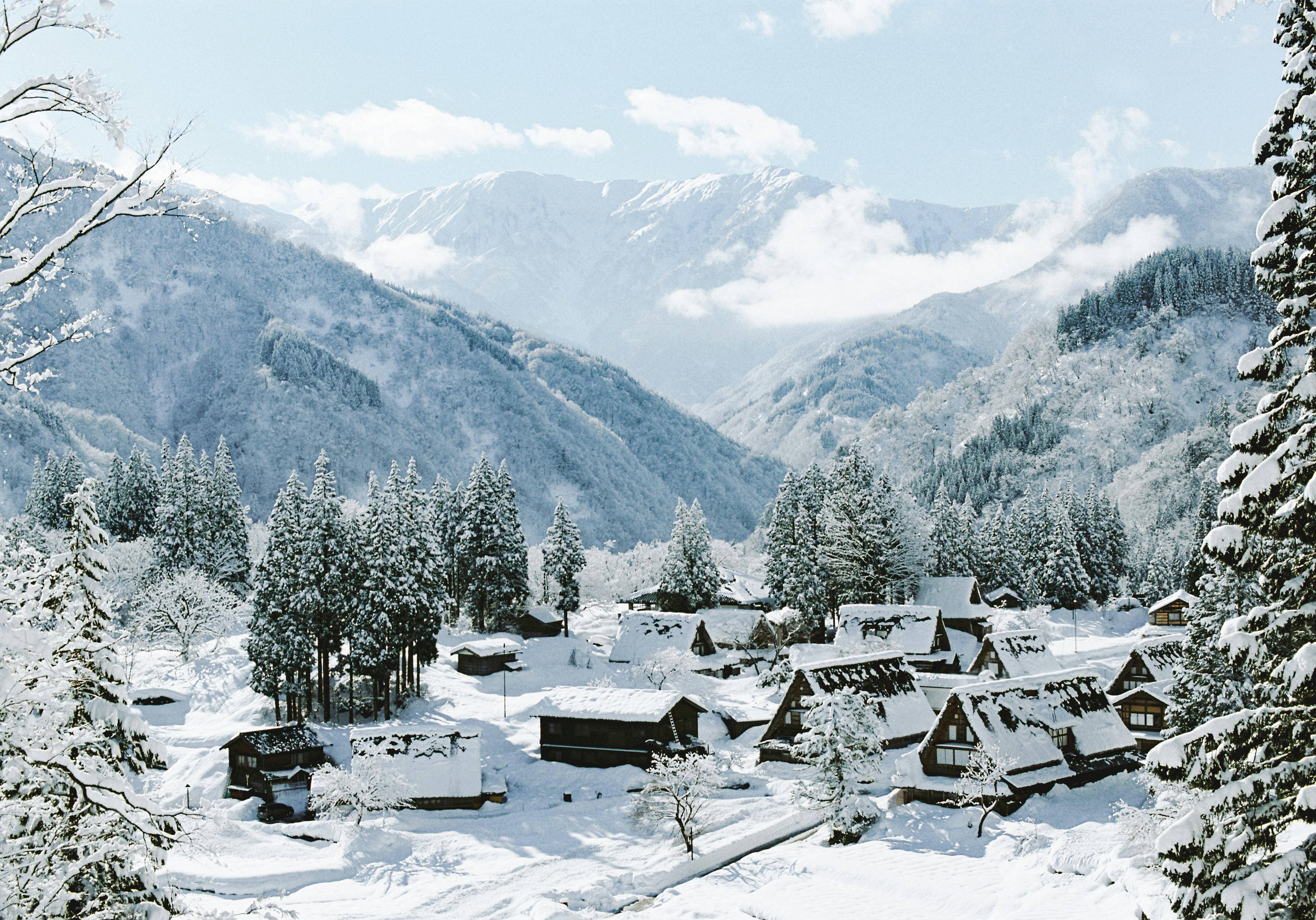
Imagine you are walking in the middle of a soft expanse of white snow, among wooden houses with steep thatched roofs that look like illustrations from a European fairytale book. However, this is not in Switzerland or Norway. This is Shirakawa-go, a small village in Gifu Prefecture, Japan, which has successfully captured the hearts of travelers from around the world with its traditional charm that remains preserved amidst the flow of modernization. Recognized as a UNESCO World Heritage site since 1995, Shirakawa-go is not just a tourist destination, but a living portrait of the Japanese people's wisdom in adapting to nature without losing their cultural identity.
The name “Shirakawa-go” literally means white river village, and when winter arrives, that meaning truly comes to life. Blankets of snow cover the roofs of traditional houses in the gassho-zukuri style, which is the main characteristic of this village. This unique architecture features steep triangular roofs resembling two hands pressed together in prayer (gassho means “joined in prayer”), designed to withstand the weight of heavy snow that can reach more than two meters each winter. These houses do not use nails; instead, they are assembled using straw ropes and wood—a testament to hundreds of years of traditional Japanese engineering skill. At night, the house lights are usually turned on, making the scenery of Shirakawa-go feel magical, like a world paused between reality and a dream.
Despite looking like a quiet fairytale village, Shirakawa-go is not just a place for photos. The village is alive, inhabited by about 1,600 residents who mostly still maintain their agrarian traditions and local culture. Data from the Japanese Ministry of Tourism in 2024 notes that Shirakawa-go is visited by more than 2 million tourists annually, an extraordinary figure for a mountain village. However, what is interesting is how the local residents have managed to maintain a balance between tourism and environmental preservation. Old houses that have been converted into traditional inns (minshuku) still maintain their original structural systems. Guests can experience sleeping under a thatched roof, listening to the mountain wind, and tasting local dishes such as hoto (a thick noodle soup typical of mountainous regions) and gohei mochi (grilled rice cakes with a sweet and savory sauce).
The seasons are a vital variable in determining the charm of Shirakawa-go. Each season presents a completely different atmosphere, as if the village has four faces, all of which are captivating. During spring, cherry blossoms bloom around the Shogawa River, creating a soft contrast between pink colors and brownish thatched roofs. Summer brings lush green colors with expanses of rice fields and dense forests, making the air feel fresh and full of life. Autumn presents a view of red-orange leaves that make every corner of the village look like a living painting. However, winter remains the favorite, especially during the Winter Light-up event, where lights illuminate the gassho-zukuri houses at night. In 2025, for example, the light-up schedule is planned to take place for six nights between January and February, and ticket bookings must be made well in advance because they always sell out in just hours!
Beyond its visual beauty, Shirakawa-go also holds a deep philosophy of life. The village community practices the concept of kyodotai, which means togetherness and mutual cooperation. This tradition is clearly visible when residents work together to replace the thatched roofs, which must be renewed every 20–30 years. This process involves the entire village in an activity called yui, where they help each other selflessly, reflecting Japanese social values that place harmony and solidarity above personal interest. This value is also the root of many aspects of modern Japanese culture, from a collective work ethic to a respectful attitude toward others. In this context, Shirakawa-go is not just a tourist spot, but a living museum that shows how traditional culture can coexist with the modern world.
For travelers, the journey to Shirakawa-go itself is an equally interesting adventure. The village is nestled among the Hida mountains and can only be accessed via beautiful winding roads from the cities of Takayama or Kanazawa, each about a two-hour bus ride away. During winter, this route is often blanketed in snow, adding a sensation that is both romantic and thrilling. Upon arrival, the fresh mountain air and quiet atmosphere immediately provide a sense of peace that is hard to find in big cities like Tokyo or Osaka. Many visitors choose to stay overnight to enjoy the serene night atmosphere—the sound of the wind, the scent of firewood, and the stars that appear so close in the mountain sky. It is an experience that calms the soul while reminding us how important the balance between humans and nature is.
Today, Shirakawa-go has become a symbol of how Japan manages cultural and natural heritage sustainably. The local government, together with UNESCO, has established various strict regulations to limit the number of daily visitors and prevent excessive modern development. The goal is simple: so that future generations can still experience the same magic that we feel today.
As the trend of sustainable tourism grows, Shirakawa-go serves as a successful example to follow. According to a report by the Japan National Tourism Organization (JNTO), the satisfaction level of tourists regarding cultural experiences in this village reaches 96%, showing that cultural preservation not only protects the past but also creates high economic and emotional value for the present.
Exploring Shirakawa-go is not just about admiring visual beauty, but also about understanding the philosophy of life woven into every strand of straw and every footstep on the village streets. In a fast-paced and digital world, this village teaches the meaning of tranquility, cooperation, and simplicity. Like the gassho-zukuri roofs that "pray" to the sky, Shirakawa-go seems to remind us to bow back to nature, appreciate time, and be grateful for simple beauty. So, if one day you seek an experience in Japan that blends aesthetics, culture, and life reflection, you should visit this place—because Shirakawa-go is not just a destination, but a true spiritual journey.