The Best Time to Visit Japan: A Complete Guide for Every Season
Planning a holiday to Japan but still confused about the best time to go? Don't worry; this country is a four-season paradise offering different charms at every turn. From the romantic spring with blooming cherry blossoms to the magical winter with thick snow and soothing onsen. Japan seems to have its "best version" in every season, depending on what you want to experience. Data from the Japan National Tourism Organization (JNTO) shows that throughout 2024, Japan was visited by more than 25 million international tourists, with the highest surges occurring from March to April (spring) and December (winter). These figures prove that weather and seasonal atmosphere significantly influence tourist interest. Let's explore the charms of each season one by one and find the best time for your next adventure in the Land of the Rising Sun!
Spring (March – May): When Cherry Blossoms Color Japan
If you imagine a Japan full of flowers, picnics under cherry blossom trees, and a romantic cool breeze, then spring is the answer. From mid-March to early May, Japan is blanketed in the beauty of cherry blossoms (sakura) blooming from south to north. In Tokyo, the peak bloom usually occurs around late March to early April, while in Hokkaido, it only reaches its peak in early May. It is no wonder that 42% of international tourists choose to visit during this season, according to 2024 JNTO data.
The Hanami festival, or the party of enjoying cherry blossoms, is the symbol of this season. Japanese people gather in parks like Ueno Park in Tokyo or Maruyama Park in Kyoto, bringing bento and sake, then relaxing under the soft pink sakura trees. However, spring is not just about flowers. The pleasant weather, ranging between 10–20°C, is also ideal for exploring temples, castles, and traditional gardens. So, if you want a photogenic and life-filled Japan, this is the best time to go. Just be prepared for slightly more expensive ticket and hotel prices because this is peak season for both domestic and foreign tourists.
Summer (June – August): Festivals, Fireworks, and Endless Energy
As temperatures rise and the sun shines longer, Japan turns into a large stage full of color and sound. Yes, summer is the time for matsuri, traditional festivals held in almost every city. From the grand Gion Matsuri in Kyoto to the energetic Awa Odori in Tokushima, the summer atmosphere in Japan is full of spirit and joy. You can see people wearing yukata, tasting festival foods like takoyaki and yakisoba, or enjoying giant firework displays known as hanabi taikai.
However, summer temperatures can be quite extreme, especially in large cities like Tokyo and Osaka, reaching 30–35°C with high humidity. Because of this, many tourists prefer visiting mountainous areas like Nagano, Hokkaido, or Nikko where the air is cooler. Data from the Japan Meteorological Agency notes that Hokkaido has an average summer temperature of only 23°C, making it a favorite escape for local tourists. Despite the heat, this season is also attractive for nature lovers as it is the best time to climb Mount Fuji, which is only open for official climbing between July and early September. So, if you love adventure, festivals, and a non-stop lively atmosphere, a Japanese summer is the perfect time to visit.
Autumn (September – November): Romantic Colors and Ideal Weather
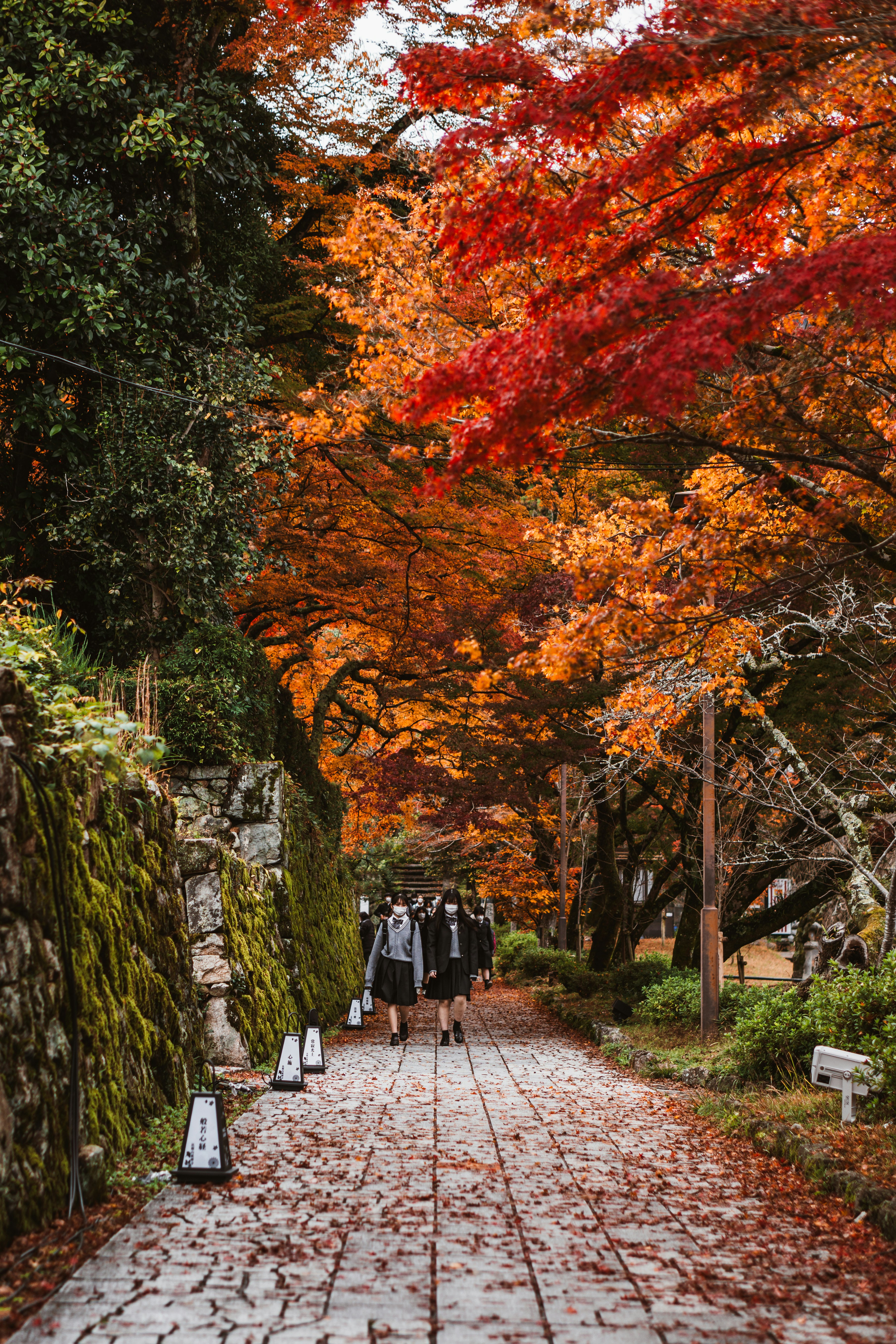
If spring is about sakura, then autumn is about momiji—maple leaves turning red, orange, and gold. From mid-October to late November, Japan transforms into an incredibly beautiful canvas of warm colors. In Kyoto, places like Kiyomizudera Temple and the Arashiyama Bamboo Grove become favorite spots to enjoy the panorama of falling leaves. In Tokyo, parks like Rikugien and Shinjuku Gyoen also offer equally stunning views.
For many tourists, autumn is called "the most balanced season" to visit. Temperatures range between 12–22°C, making it comfortable for walking around cities or hiking in the countryside. Additionally, this season is known as shokuyoku no aki, or "autumn appetite," because many seasonal foods like chestnuts, matsutake mushrooms, and sanma fish are in harvest. According to a JNTO survey, 28% of tourists choose autumn because Japanese culinary offerings feel most delicious during this period. If you want a combination of ideal weather, spectacular views, and a calm atmosphere without extreme crowds, autumn is your best choice.
Winter (December – February): Land of Snow and Warm Lights
As temperatures drop and snow begins to fall in northern Japan, the country turns into a winter wonderland. Regions like Hokkaido, Nagano, and Niigata become magnets for snow lovers. Data from the Japan Tourism Agency in 2024 shows that more than 5 million international tourists arrived during winter, primarily to enjoy skiing, snowboarding, and onsen (hot springs). Resorts like Niseko in Hokkaido are even recognized as some of the best ski destinations in the world thanks to their soft, dry powder snow.
Beyond winter sports, Japan has another attraction this season: winter illuminations. Almost every major city lights up millions of LED lamps, creating a warm romantic atmosphere amidst the cold air. Some of the most famous include Sagamiko Illumillion in Kanagawa Prefecture and Kobe Luminarie, which features spectacular light displays. On the other hand, temperatures can reach below zero in several regions, so make sure to bring thick clothing. However, the cold air actually makes the experience of soaking in an onsen feel much more delightful—a tradition that has existed for over a thousand years.
Conclusion: The Best Season? It Depends on You!
So, the best season to visit Japan actually depends on what you are looking for. Want a romantic atmosphere full of flowers and soft colors? Come in the spring. Love a festive and celebratory atmosphere? Summer is waiting for you. Want peace and warm-colored views? Autumn is a paradise for aesthetic lovers. Or do you want a unique experience with snow and warm onsen? Winter is the answer.
Interestingly, JNTO data again shows that the satisfaction level of tourists traveling to Japan reached 94% in 2024, regardless of the season of their visit. This indicates that in Japan, every season has its own charm and uniqueness. The most important thing is to plan your trip according to your weather preferences, activities, and budget.