Explore Japan with JR Pass: Tips for Saving on Transportation
Imagine standing in the busy Tokyo Station. Train announcements echo, people walk quickly with an orderly rhythm, and before you lies a rail network that seems endless. From here, you can go anywhere, from Kyoto, Osaka, Hiroshima, even to the northernmost island, Hokkaido. But wait a minute! What happens if you want to explore all of that without making your wallet scream? This is when the Japan Rail Pass, better known as the JR Pass, becomes your travel savior. This magic ticket is not just a transportation tool, but also the key to unlocking an experience of exploring Japan in a way that is smart, efficient, and economical.
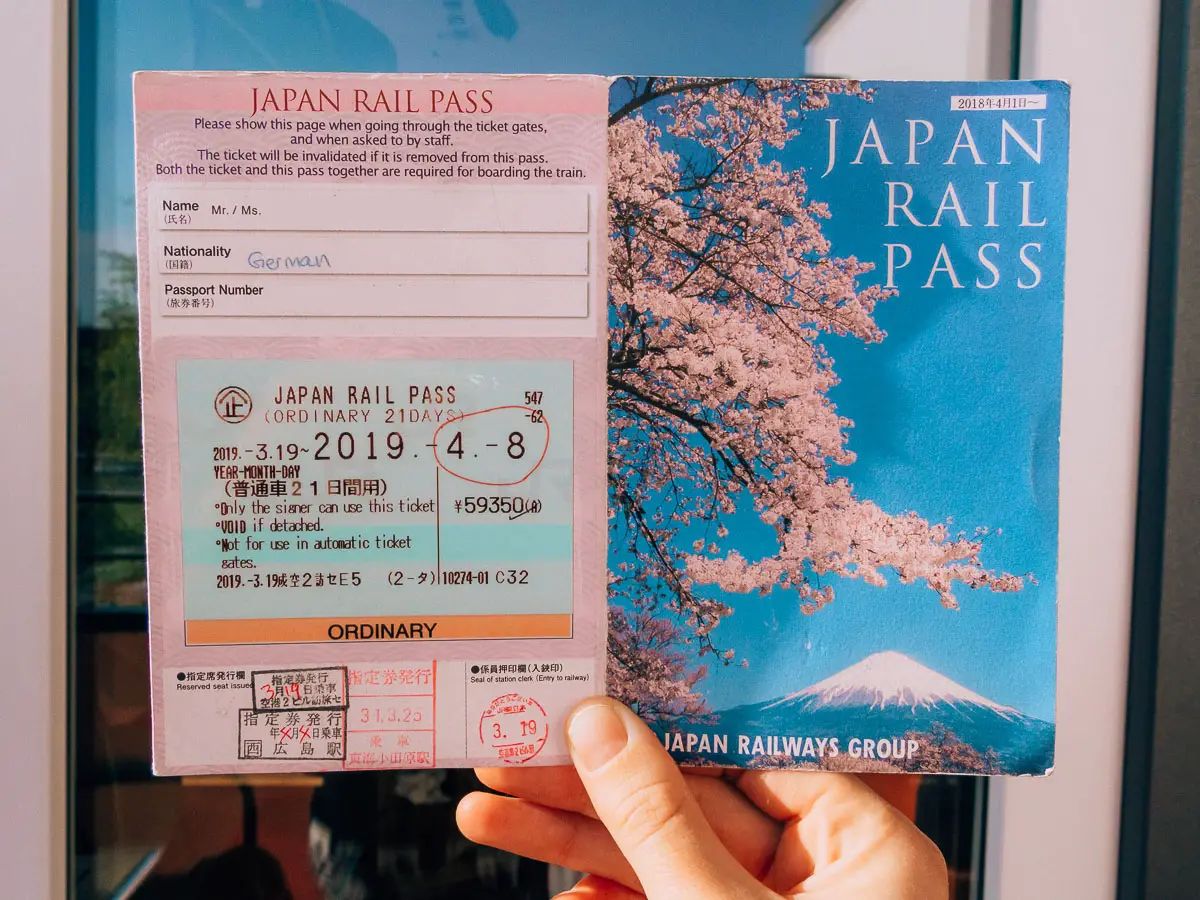
The JR Pass is essentially a multi-use ticket issued by the Japan Railways Group, covering more than 20,000 kilometers of train lines across the country. With this one card, you can board almost all types of JR trains, including the Shinkansen super-fast trains (except for Nozomi and Mizuho), without needing to buy a ticket every time you travel. Imagine, just by showing your JR Pass card at the automatic gates, you can zip from Tokyo to Kyoto in two and a half hours without the hassle of queuing at a ticket window. According to Japan Railways Group data (2024), more than 4.8 million international tourists use the JR Pass every year, making it one of the most popular tourist transportation products in the world.
In terms of price, the JR Pass might look a bit expensive at first. As of 2025, the national JR Pass price for 7 days is around ¥50,000, while 14 days is priced at ¥80,000 and 21 days around ¥100,000. But don't be shocked just yet! If you calculate the travel costs one by one, you will realize how big the savings are. For example, a one-way Shinkansen ticket from Tokyo to Kyoto alone is around ¥14,000. If you make a round trip, that is already nearly a third of the 7-day JR Pass price. Add one or two other long-distance trips, and you have already broken even! According to a Japan National Tourism Organization (JNTO) survey, tourists using the JR Pass can save an average of 35–45% on intercity transportation costs, depending on their travel routes.
However, the JR Pass is not just about saving money, but also about the freedom to explore. Japan is a country with an incredibly orderly public transportation system, where the JR network connects major cities with small, charming countryside villages. With a JR Pass in hand, you can depart in the morning from Tokyo, enjoy lunch in Osaka, and by late afternoon be strolling through the beautiful streets of Kyoto. Or perhaps you want to go north to Hokkaido to see the first snow fall in Sapporo? No problem! Everything can be done without the hassle of buying tickets one by one. There are even several spectacular scenic routes you can enjoy from behind the train window, such as the Hokuriku Shinkansen line crossing snowy mountains, or the Limited Express Wide View Hida passing through beautiful valleys toward Takayama.
For those who love adventure, the JR Pass also offers many variations. In addition to the national version, there are Regional JR Passes that are cheaper and suitable if you only plan to explore one specific region. For example, the JR East Pass for the Tokyo and Tohoku areas, the JR Kansai Pass for Kyoto, Osaka, and Nara, or the JR Kyushu Pass to explore the exotic southern island. Regional pass prices usually range between ¥15,000 and ¥30,000, depending on the duration and coverage. According to Nikkei Travel Index 2024 data, about 52% of foreign tourists choose a regional JR Pass due to its flexibility and efficiency. This proves that, with a little planning, you can organize your trip according to your style and budget without sacrificing comfort.
Of course, there are several important things to know before buying a JR Pass. First, the JR Pass is only available for foreign tourists with a temporary visitor visa, so Japanese citizens or work visa holders cannot use it. Second, the JR Pass should be purchased before arriving in Japan (although now some major stations also sell them at a slightly higher price). You will receive an Exchange Order, a type of voucher, which can later be exchanged for the actual JR Pass at airports or major stations like Tokyo, Osaka, or Sapporo. Third, make sure to make seat reservations in advance if traveling by Shinkansen during busy seasons like Golden Week or the year-end. Fortunately, all reservations can be made for free at Midori no Madoguchi windows or automatic machines that have English menus.
Beyond the practical aspects, the JR Pass also brings emotional benefits and a unique personal experience. Using the JR Pass makes the trip feel like a limitless adventure, as you are no longer restricted by ticket costs or directional confusion. Many travelers say that one of the best moments in Japan is when they sit in a Shinkansen seat, enjoying the view of rice fields and Mount Fuji in the distance while sipping canned coffee from a vending machine. In a 2024 TripAdvisor Japan survey, 87% of JR Pass users said their trip felt more free and spontaneous because they could change plans mid-way without worrying about extra costs. This makes traveling in Japan feel more alive, personal, and enjoyable.
In terms of technology and sustainability, Japan continues to innovate. The JR Group is currently developing the N700S series Shinkansen, which is faster and more energy-efficient, capable of traveling Tokyo–Osaka in just 2 hours and 15 minutes. Additionally, since 2023, all JR Pass holders can access digital applications to monitor train schedules, find the fastest routes, and even see departure platforms in real-time. Japan is indeed famous for its efficiency, and the JR Pass is a real example of how a transportation system can combine technology, comfort, and user-friendliness in one perfect package.
In the end, using a JR Pass is not just a way to save on costs, but also a form of experiencing Japanese culture itself. It reflects the philosophy of "efficiency without losing aesthetics," which is a principle embedded in almost every aspect of Japanese society. From the punctual movement of the trains and the polite attitude of the conductors to the ease of a system designed to help anyone, the JR Pass offers more than just a transportation ticket. It is a symbol of how Japan invites the world to explore it in a way that is easy, friendly, and pleasant.
So, if you plan to explore Japan from north to south, from the futuristic city of Tokyo to the quiet temples of Kyoto, consider bringing the JR Pass as your loyal travel companion. Who knows, from behind the window of a speeding Shinkansen, you might find not just the beauty of Japan, but also a new rhythm in enjoying a journey—fast, efficient, but still full of warmth and meaning.