
The Future of Suica Cards: Will They Really Be Retired by 2027?
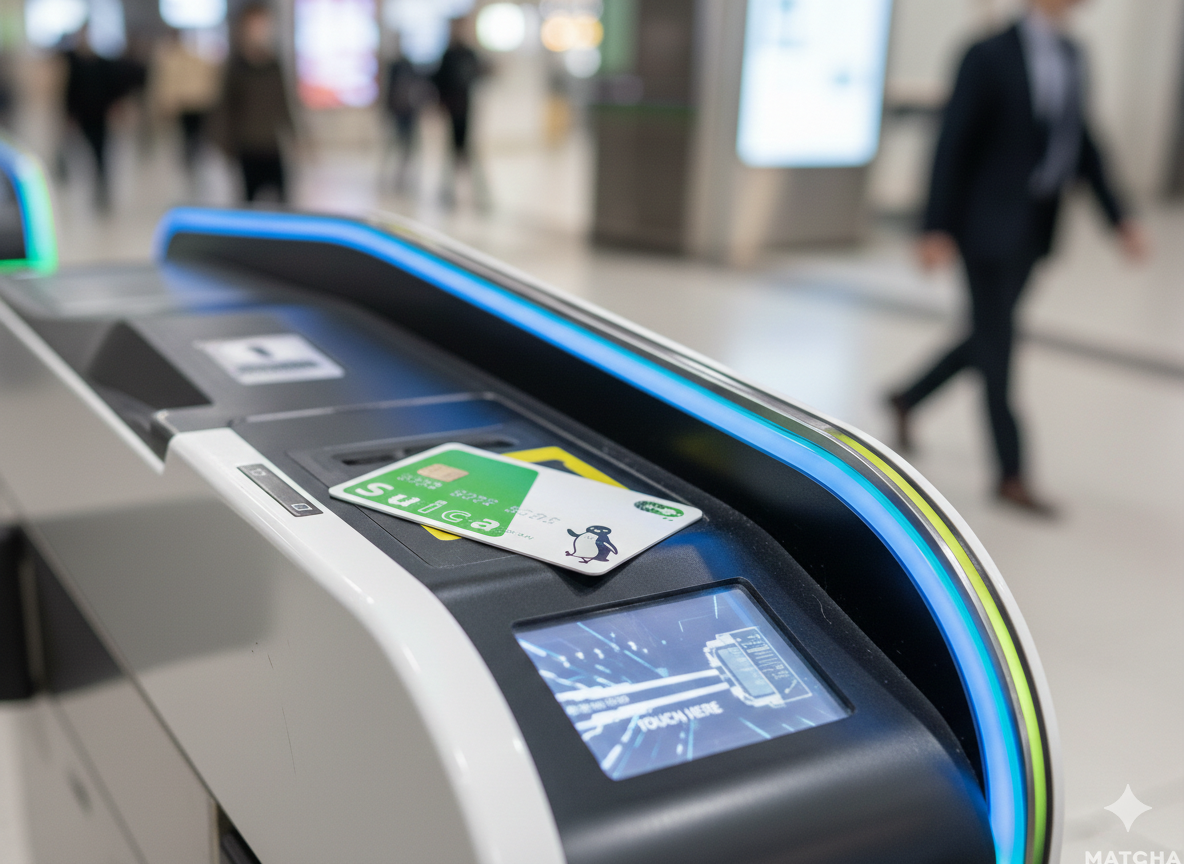
For anyone who has traveled or is planning a trip to Japan, the Suica card is likely a familiar companion. This iconic card, featuring the cute penguin mascot, is a lifesaver for tourists and locals alike, allowing for seamless travel on trains and buses, as well as quick payments at convenience stores. However, rumors have recently surfaced suggesting that the physical Suica card might be "retired" by 2027. Let’s dive into the facts.
1. What is Actually Happening?
The talk regarding the retirement of physical Suica cards stems from JR East’s massive digital transformation plan. One of the primary drivers is the migration to a cloud-based system. JR East is developing a framework where data, which is currently stored locally on the card's physical chip, will be moved to central servers to allow for better integration and real-time processing.
Furthermore, the adoption of Mobile Suica via smartphones—specifically through Apple Pay and Google Pay—has seen rapid growth. Digital versions are considered more efficient, environmentally friendly, and they eliminate the high production costs of plastic cards. The global semiconductor chip shortage, which previously forced a temporary halt in physical card sales, has also accelerated this push toward a digital-first approach.
2. Will Physical Cards Disappear Completely?
As of now, there has been no official statement confirming that physical Suica cards will be 100% discontinued by 2027. However, it is predicted that the role of physical cards will be significantly minimized and replaced by more modern technologies.
By 2027, we will likely see a shift toward QR Code ticketing systems on smartphones for passing through station gates. Additionally, "touch payment" systems using standard credit or debit cards are being expanded across many lines. Physical cards might still exist, but they will likely be reserved for specific groups, such as the elderly, children, or tourists whose devices do not support Japan’s specific NFC standards.
3. What This Means for International Travelers
If you are planning to visit Japan in the coming years, there is no need to panic. Travelers are encouraged to start familiarizing themselves with Mobile Suica if their smartphones are compatible. Using the mobile version makes the top-up process much easier, as it can be done directly through your phone’s digital wallet without needing to find a physical machine at the station.
For those who prefer not to use an app, options like the "Welcome Suica" (specifically designed for tourists) will likely be maintained during the transition period. Furthermore, other regional IC cards like ICOCA from Osaka or Pasmo will remain functional nationwide as long as the integrated system remains in place.
4. Conclusion and Looking Ahead
The rumors about Suica retiring in 2027 are better described as a "digital evolution" rather than a total disappearance. The Suica card isn't going away; it is simply moving from your physical wallet into your smartphone. This technology is designed to speed up mobility in Japan’s incredibly crowded stations and streamline the payment experience.
As a final note, if you currently own a physical Suica card, don’t be in a hurry to throw it away. The balance on a physical Suica card remains valid for ten years from the date of its last use. Your card can still serve as a great souvenir or a reliable backup for your next trip to the Land of the Rising Sun.