Updated Hotel Accommodation Tax in Tokyo & Osaka 2026
As of 2026, Japan has significantly updated its fiscal policies regarding international tourism. For global travelers visiting Tokyo and Osaka, understanding the latest accommodation tax (shukuhaku-zei) structure is essential for accurate budgeting. These taxes are typically not included in the initial room rate shown on booking platforms and are usually collected locally at the hotel during check-in or check-out.
The revenue generated from these taxes is being heavily reinvested into tourism infrastructure, multi-language signage, and measures to combat overtourism in residential areas. Below are the specific tax rates and regulations in effect for Tokyo and Osaka in 2026.
1. Tokyo Accommodation Tax Rates
Tokyo continues to utilize a tiered fixed-rate system for 2026, although travelers should note that the city is currently preparing for a transition to a percentage-based system (3 percent) set for 2027. For the 2026 calendar year, the tax is determined by the room rate per person, per night:
* Room rate under 10,000 yen per person: Tax-exempt (No tax).
* Room rate between 10,000 yen and 14,999 yen per person: 100 yen per night.
* Room rate of 15,000 yen or more per person: 200 yen per night.
2. Increased Accommodation Tax in Osaka
Following a major policy shift that began in late 2025, Osaka has implemented a more rigorous tax structure for 2026. The tax threshold has been lowered, meaning even budget and mid-range accommodations are now subject to the levy. The rates for the Osaka Prefecture are as follows:
* Room rate under 5,000 yen per person: Tax-exempt (No tax).
* Room rate between 5,000 yen and 14,999 yen per person: 200 yen per night.
* Room rate between 15,000 yen and 19,999 yen per person: 400 yen per night.
* Room rate of 20,000 yen or more per person: 500 yen per night.
3. Calculation Rules and Exclusions
It is important to remember that the tax is calculated based only on the base room rate (room-only). It does not include the 10 percent national consumption tax, service charges, or additional costs such as breakfast, spa treatments, or late check-out fees. For example, if a couple shares a room in Tokyo costing 18,000 yen total, the rate is 9,000 yen per person, making the stay tax-exempt under the 10,000 yen threshold.
4. Expanded Scope for Private Rentals (Airbnb)
In 2026, the enforcement of these taxes has expanded to include the "Minpaku" sector (private lodging/Airbnb). Previously, some smaller private rentals operated in a grey area regarding local taxes. However, new regulations in both Tokyo and Osaka now require all licensed private lodging providers to collect the same accommodation tax as traditional hotels. This ensures a level playing field across the hospitality industry and increases the city's ability to manage high tourist volumes.
5. Payment Methods and On-Site Collection
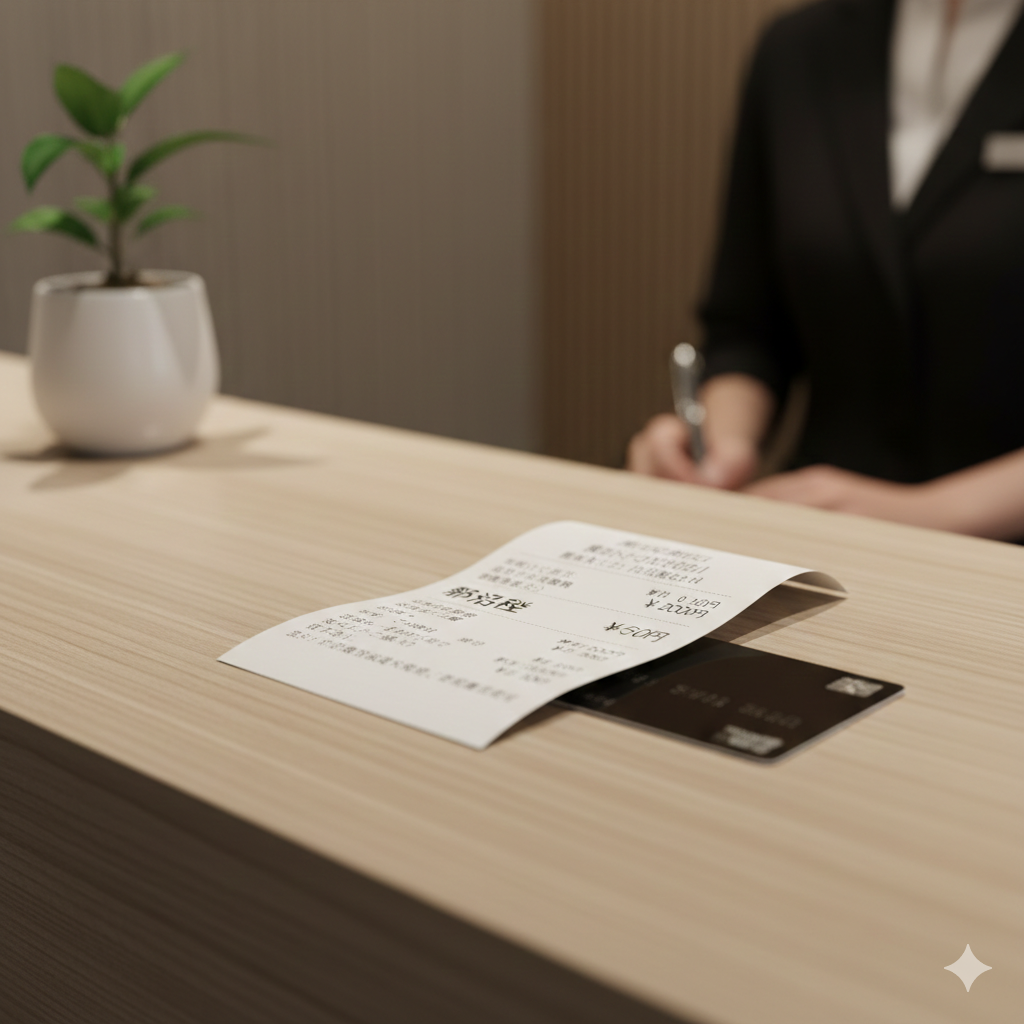
Travelers are advised to keep small denominations of Japanese Yen or maintain a balance on their Suica/Pasmo cards for these payments. While most large hotels allow guests to pay the tax via credit card, some smaller ryokans, guesthouses, or automated check-in kiosks may only accept cash for local tax transactions. While the amounts per night are relatively small, they can add up for large families or groups staying for an extended period, so it is wise to factor these "hidden costs" into your total travel budget.