Tips for Saving Phone Battery While Exploring Tokyo
Navigating a megacity like Tokyo in 2026—from the bright lights of Shinjuku to the historic alleys of Yanaka—is an incredible experience that heavily relies on your smartphone. Between using AR-enhanced navigation, making contactless payments, and capturing high-definition videos, your battery can drain much faster than expected. To avoid being stranded without a way to find your hotel or access your digital rail pass, follow these practical power-saving strategies tailored for the Tokyo traveler.
1. Master Your Navigation Apps
Navigation is often the biggest battery culprit. To save power, download "Offline Maps" for the Tokyo area in Google Maps or NAVITIME before leaving your hotel. This allows your phone to use GPS without constantly fetching heavy data over cellular networks. Additionally, consider using voice-guided navigation with your screen turned off while walking; Tokyo’s streets are dense, and the constant "screen-on" time to check every corner is a major drain. You should also set your location permissions to "While Using the App" to prevent background tracking.
2. Optimize Display and Connectivity Settings
Tokyo’s outdoors can be very bright, causing your phone to ramp up screen brightness to its maximum. Manually set your brightness to the lowest comfortable level rather than using "Auto-Brightness." If your phone has an OLED screen, enabling Dark Mode will significantly save energy as black pixels consume no power. Furthermore, Tokyo is saturated with public WiFi signals; if you aren't actively using a hotspot, turn off WiFi and Bluetooth scanning to prevent your phone from constantly "pinging" every shop and station you pass.
3. Enable Power Saving Mode Early
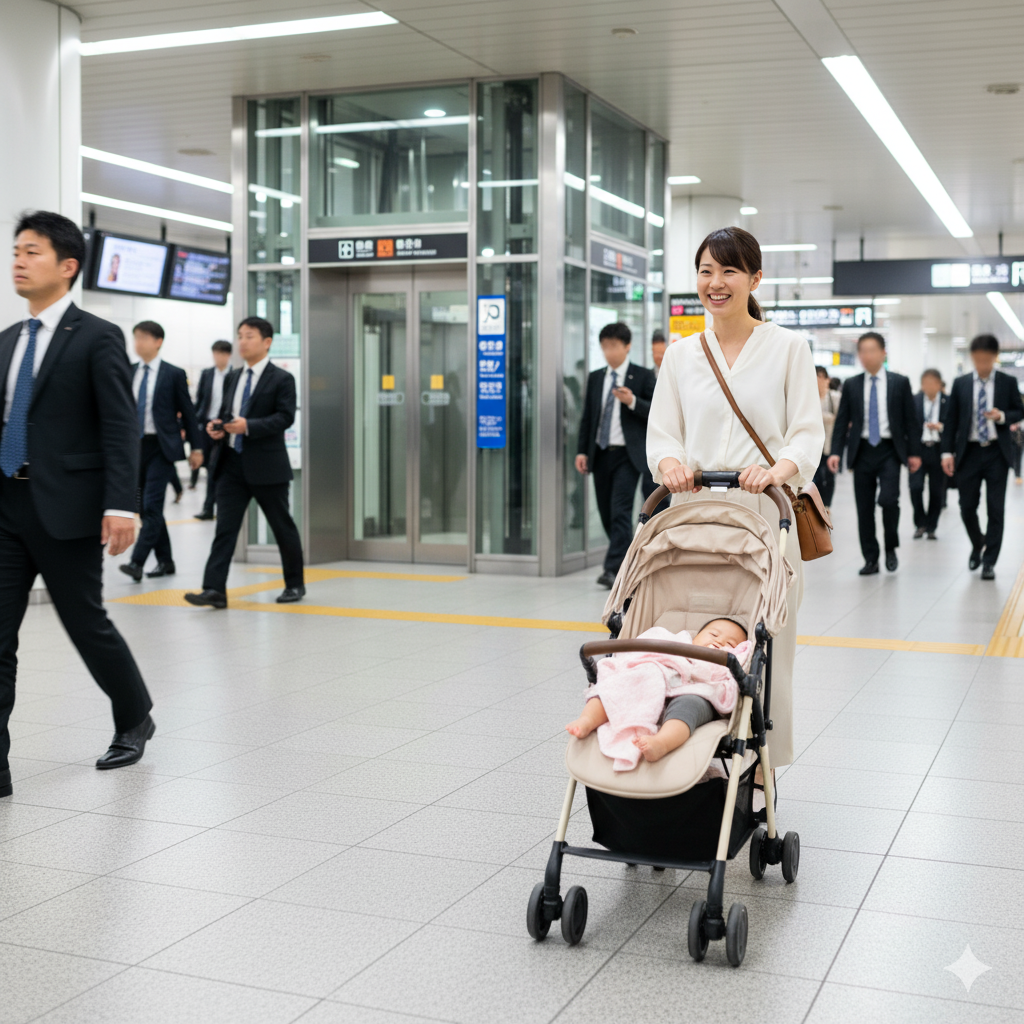
Do not wait until your battery hits 20% to take action. Enable "Low Power Mode" (iOS) or "Battery Saver" (Android) as soon as you start your day. This proactively limits background app refreshes, reduces visual effects, and slows down non-essential processes. In areas like the deep Tokyo Metro subways where signal is weak, your phone will work overtime to find a connection; switching to "Airplane Mode" during these short commutes can prevent a significant percentage drop.
4. Leverage "ChargeSPOT" and Public Infrastructure
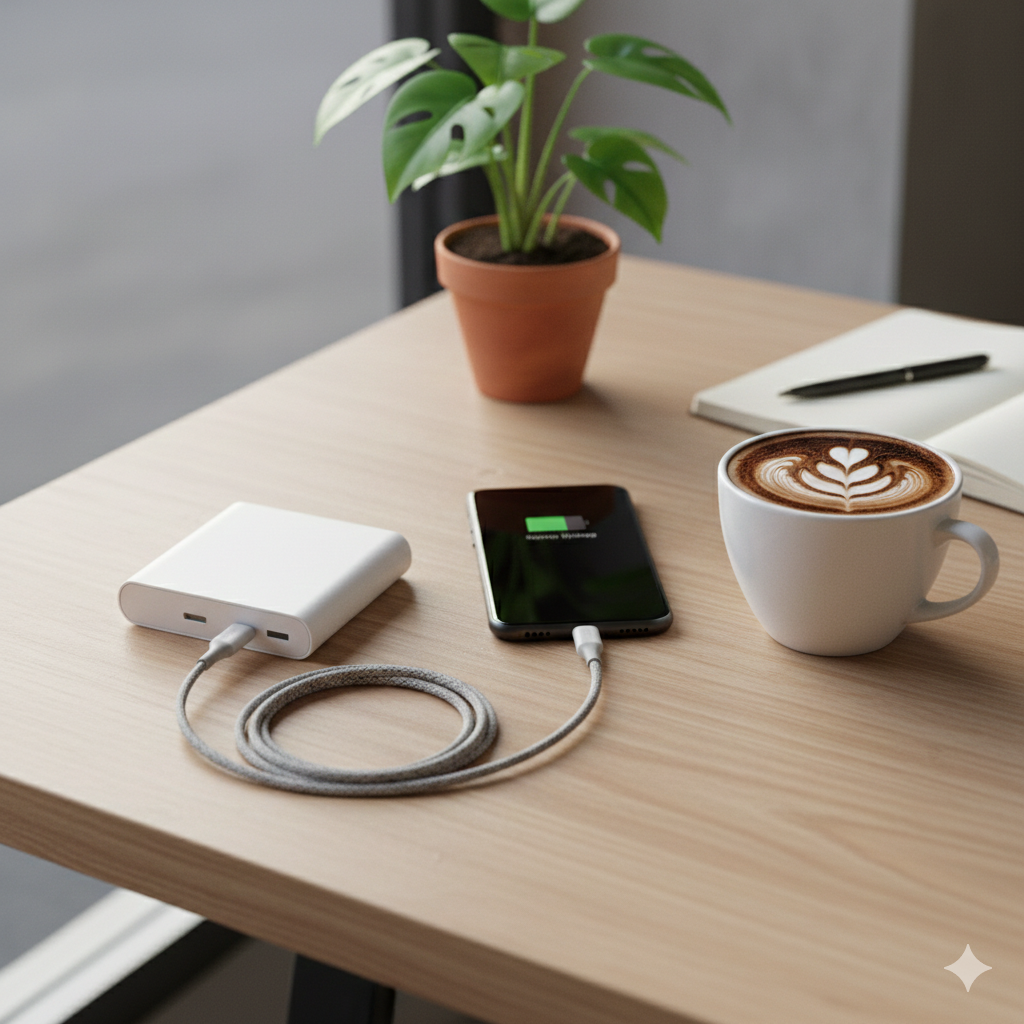
If your battery does run low, Tokyo in 2026 offers highly accessible emergency solutions. The most popular is ChargeSPOT, a power bank sharing service with thousands of stations in convenience stores (Lawson, FamilyMart) and train stations. You can rent a battery via the app—or as of late 2025, by simply tapping your credit card at select new terminals—and return it to any other station in the city. Additionally, major electronics retailers like Bic Camera and Yodobashi Camera often have "Fast Charging" lockers near station exits that can boost your phone for a small fee (typically ¥100 for 30 minutes).
5. Smart Usage of Digital Wallets
In 2026, many travelers use their phone for everything from the Suica/Pasmo gate tap to PayPay QR codes. To ensure you aren't locked out of the train station if your phone dies, remember that most iPhones and some Androids have a "Power Reserve" feature that allows Express Transit cards to work for a few hours even after the main battery is depleted. However, it’s best not to rely on this. Periodically check your battery levels before entering long train lines or entering a restaurant that only accepts digital payments.
6. Carry the Right Hardware
When choosing a power bank for your Tokyo trip, look for GaN (Gallium Nitride) chargers and batteries. These are much smaller and more efficient than traditional models, making them perfect for a day of walking. Also, be aware of the 2025/2026 airline safety updates: in Japan, passengers are now required to keep power banks within sight (on their lap or in a seat pocket) during flights, and batteries exceeding 160Wh are strictly prohibited. A 10,000mAh or 20,000mAh pack is the "sweet spot" for safety and capacity.