Seto Ceramic Town Nagoya Travel Guide
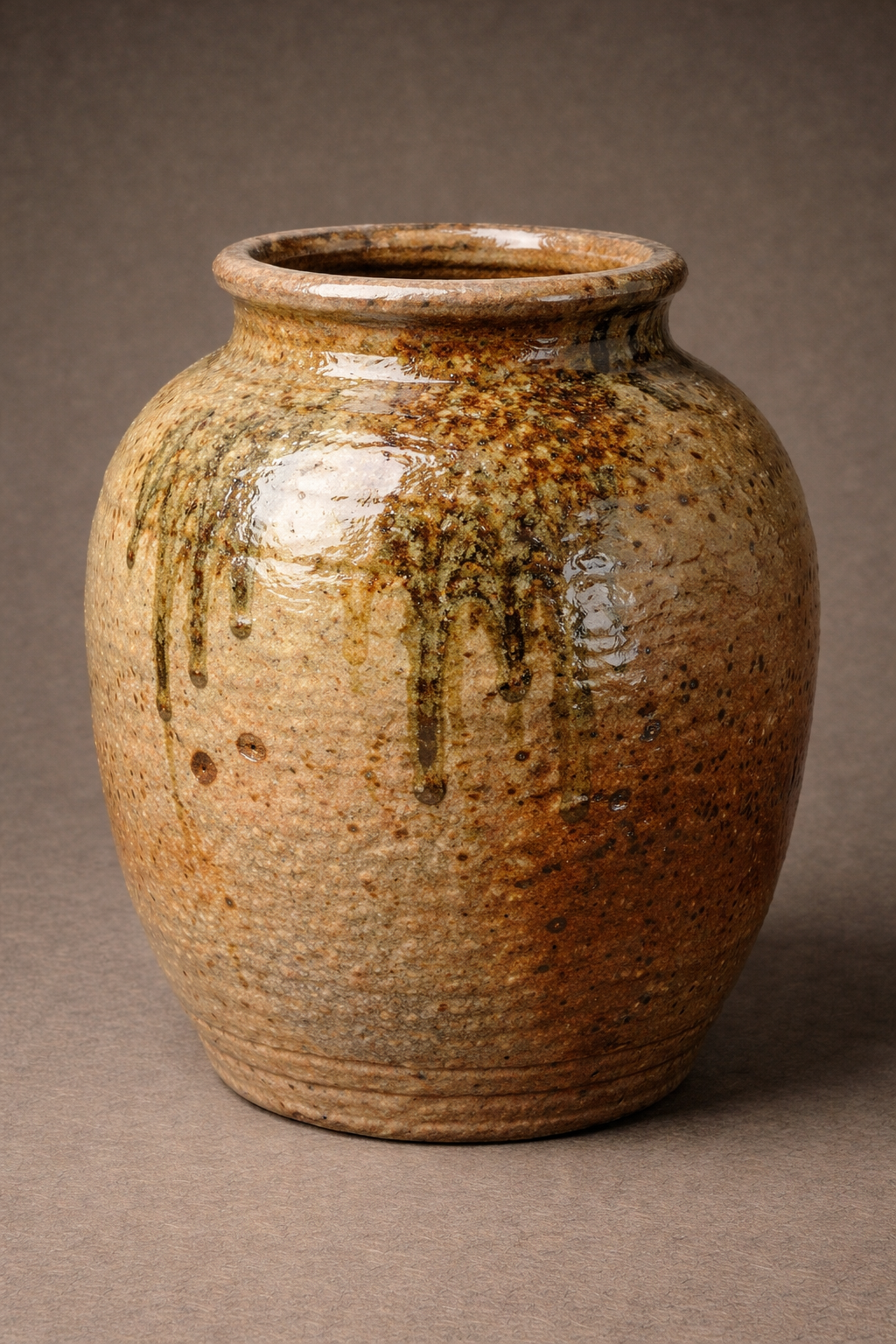
Seto is a historic pottery town located in Aichi Prefecture, about 30 to 40 minutes from Nagoya by train. The city is widely known as one of Japan’s most important ceramic production centers and has more than a thousand years of pottery history. The Japanese word “setomono,” which means ceramic tableware or pottery in general, actually comes from the name of this town, showing how influential Seto has been in Japanese ceramic culture.
Today, Seto remains a charming destination filled with pottery workshops, ceramic shops, museums, and traditional streets. Visitors can walk around the town and see how ceramics are deeply connected to the local culture and daily life.
History of Seto Pottery
Seto’s pottery tradition dates back to the Heian period, making it one of the oldest ceramic centers in Japan. The region became famous for its glazed ceramics, which were different from the unglazed pottery commonly produced in other areas during earlier periods.
Over the centuries, Seto ware became widely used across Japan, from everyday dishes to decorative ceramics used in tea ceremonies. Even today, the city continues to produce high-quality pottery while preserving traditional techniques passed down through generations.
Things to See in Seto
One of the most interesting places to explore is Kamagaki-no-Komichi, also known as the “Kiln Wall Path.” This small walking path is famous for its walls made from old kiln tools and ceramic materials used in traditional pottery production. Walking along this street gives visitors a unique look into Seto’s pottery history.
Another popular attraction is the Seto-Gura Museum. The museum explains the history of Seto ceramics through detailed exhibits, old pottery tools, and recreated town streets that show what the area looked like in the early 20th century. It is a great place to learn how pottery shaped the town’s culture and economy.
Visitors interested in buying ceramics can also visit the Seto Ceramic Plaza, where many local artists and producers sell pottery. The selection includes bowls, plates, tea cups, and decorative items made by local craftsmen.
Local Streets and Cultural Atmosphere
Seto has several traditional shopping streets where visitors can explore small ceramic shops and local stores. Seto Ginza Shopping Street is one of the main areas where visitors can browse handmade ceramics and local souvenirs.
As you walk through the town, you will also notice ceramic decorations in many places, including bridges, sculptures, and public art pieces. These details reflect how important pottery is to the identity of the city.
Compared to larger cities, Seto has a quiet and relaxed atmosphere, making it a pleasant place for travelers who want to experience traditional craftsmanship in a peaceful setting.
Setomono Festival
One of the biggest events in Seto is the Setomono Festival, which takes place every September. This event is known as one of the largest pottery markets in Japan. During the festival, hundreds of stalls sell pottery ranging from everyday tableware to unique handmade pieces.
Visitors come from all over Japan to buy ceramics at special prices during the event. In addition to the pottery market, the festival also features food stalls, cultural performances, and fireworks.
How to Get There
Seto is easy to reach from Nagoya. Travelers can take the Meitetsu Seto Line from Sakaemachi Station to Owari-Seto Station. The train ride usually takes around 30 to 35 minutes.
Once you arrive, many of the town’s attractions, pottery shops, and museums are within walking distance from the station. Because of its convenient location, Seto makes a great half-day or full-day trip from Nagoya for travelers interested in Japanese crafts and traditional culture.