Harajuku Fashion Trends: Still Alive and Inspiring Today
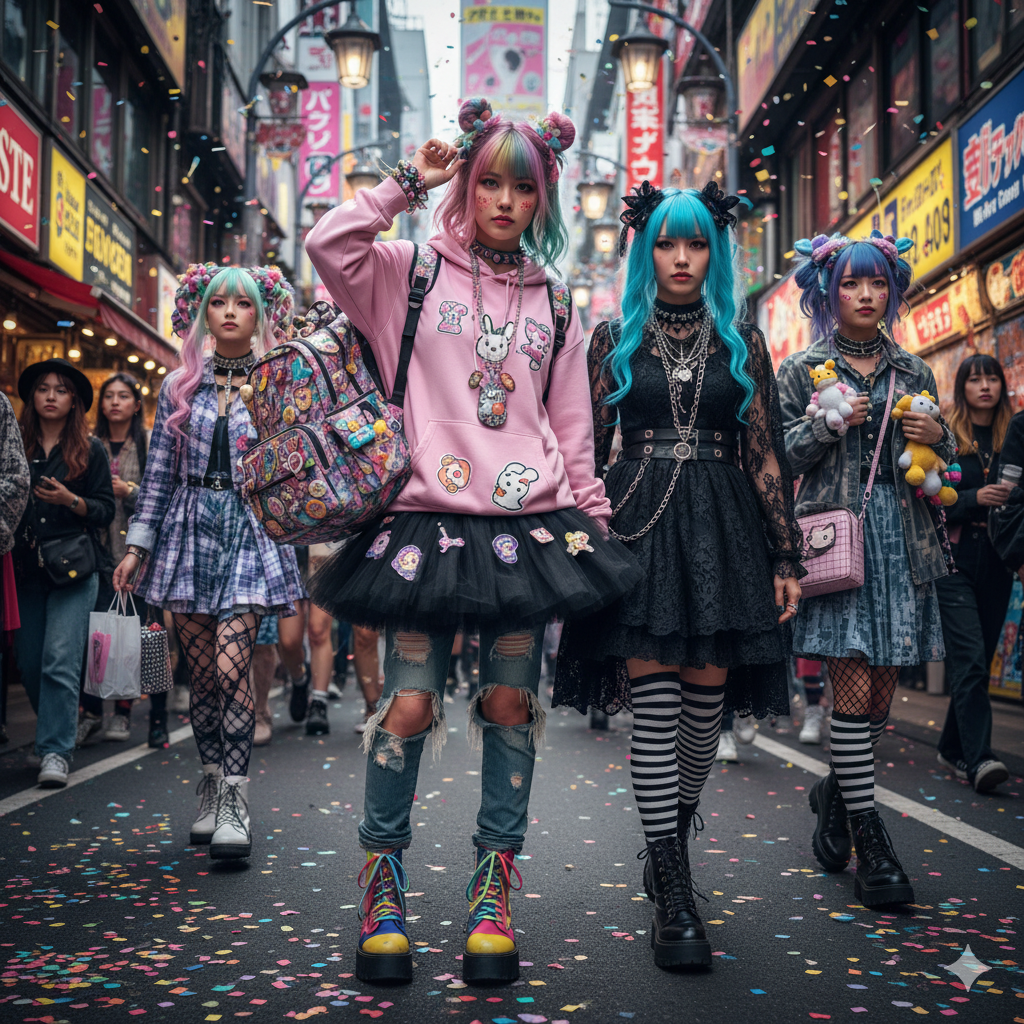
Hello, fashion and pop-culture lovers! Harajuku, a small district in Tokyo, Japan, has long been a vibrant center of colorful and creative street style. Since the 1970s, this place has been known as a hub for self-expression through clothing. Even as the times change, Harajuku fashion remains alive and has even spread across the world. Let’s take a look at why this style is still relevant today!
The Origins of Harajuku as a Fashion Icon
It all began after World War II, when Japanese youth started adopting Western culture. From rockabilly to punk, Harajuku became a place for experimentation. In the 1980s, subcultures like Lolita, Visual Kei, and Decora exploded in popularity. Takeshita Street, a narrow lane filled with shops, turned into a natural fashion runway. Every weekend, teenagers in eccentric outfits would parade through the street, drawing the attention of tourists. The influence of anime, manga, and J-pop music helped strengthen its identity even more.
Harajuku Style That Still Shines in the Modern Era
Today, Harajuku is no longer just about extreme costumes. The trends have evolved, but the spirit of freedom remains the same. Some styles that are still popular include:
Lolita Modern: Lacy skirts and cute accessories now appear in simpler versions, suitable for everyday wear. Brands like Angelic Pretty continue to inspire many fans.
Kawaii Everyday: Pastel colors, cute pins, and clear bags are still favorites. Influencers like Kyary Pamyu Pamyu have kept this style viral on TikTok.
Streetwear Fusion: Oversized hoodies and chunky sneakers mixed with traditional elements like kimono patterns. Local labels such as BAPE or Undercover often become global inspirations.
With social media, Harajuku fashion is easier to access. You can find mix-and-match tutorials or shop online from stores in the district. This style isn’t just about appearance—it’s a way to express personality without limits.
Harajuku Beyond Japan
Interestingly, these trends have gone international. In Indonesia, for example, many cosplay and kawaii communities adopt elements of Harajuku fashion. Festivals like Japan Expo or mall pop-up stores often showcase similar styles. You can try it yourself too—just mix old clothes with colorful accessories.
Why Harajuku Never Dies
Harajuku proves that fashion can be a form of art and courage. It keeps adapting to technology and global trends, from K-pop to sustainable fashion. For those who love experimenting, this district remains an endless source of inspiration.
So next time you’re bored with a monotonous style, take a peek at Harajuku. Who knows—you might discover a bolder, more colorful version of yourself!