Japanese Hot Springs Rules That Foreign Tourists Often Break
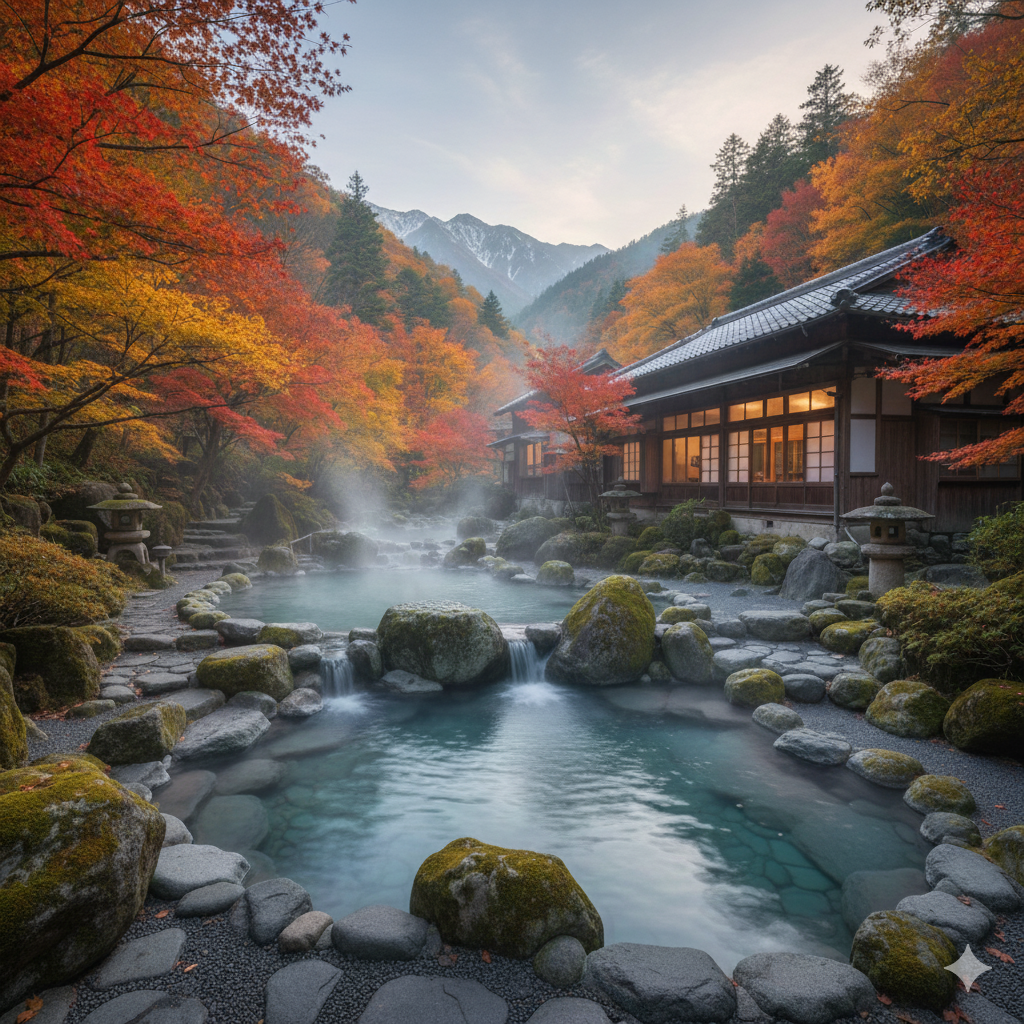
For many travelers, soaking in a Japanese onsen is the highlight of their trip—steaming mineral water surrounded by mountains, wooden bathhouses that smell of cedar, and a peaceful silence. But behind the serenity lies a strict etiquette system that can surprise first-timers. Most rule-breaking happens accidentally, simply because the customs are different from what visitors are used to in their home countries. Here are the rules tourists most often slip up on, and why they matter.
Forgetting to Wash Thoroughly Before Entering
A lot of newcomers walk straight into the bath thinking it’s like a hotel pool or a jacuzzi. In reality, an onsen is only for soaking, not washing. You’re expected to sit at the washing station, scrub carefully with soap and shampoo, and rinse every trace of foam before stepping into the hot water. If you skip this part, expect disapproving stares from everyone around you.
Using Swimwear
Many travelers instinctively keep their swimsuit or underwear on because bathing nude with strangers feels awkward at first. But clothing is strictly forbidden in most onsens. Fabric traps dirt and bacteria, and adding it to shared water is considered extremely unhygienic. Everyone is equally naked—so no one cares.
Dipping the Towel Into the Water
Onsens provide a small towel to use while washing or for modesty while walking. However, that towel must never touch the bathwater. Locals usually place it on top of their head or leave it on the edge of the tub. Letting it float or soak in the water is seen as careless and disrespectful.
Bringing Phones or Trying to Take Photos
Even when people only want a cute selfie, onsens are strict no-photo zones. The reason is simple: everyone is naked, and privacy is a major priority. Staff will immediately stop you if they see a phone, and in some cases you may be asked to leave.
Ignoring Tattoo Restrictions
Travelers often assume the tattoo rule is outdated, but many traditional onsens still enforce it. Tattoos are historically linked to gang culture, and some guests might feel uncomfortable. While more modern or tourist-friendly baths may allow cover stickers or offer private rooms, it’s never guaranteed. It’s always best to check ahead of time.
Being Too Noisy
Onsens are quiet spaces meant for reflection and relaxation. Speaking loudly, laughing, or splashing water disrupts the atmosphere and irritates regular visitors. Think more “library energy” and less “hotel pool party.”
Staying in the Hot Water Too Long
The water can be extremely hot—up to 42°C. Tourists often sit too long because it feels amazing at first, but the heat can quickly cause dizziness or fainting. Locals usually take short sessions, step out to cool down, then re-enter.
Understanding these customs isn’t just about following rules—it’s about respecting a cultural space that people deeply value. Once you know how to navigate the etiquette, an onsen becomes more than a bath. It becomes a ritual: a slow breath, warm water, quiet mind, and a memory that stays with you long after you leave Japan.
Enjoy the experience—and enjoy it the Japanese way.