Hinamatsuri: The Doll Festival for the Prayers and Happiness of Japanese Girls
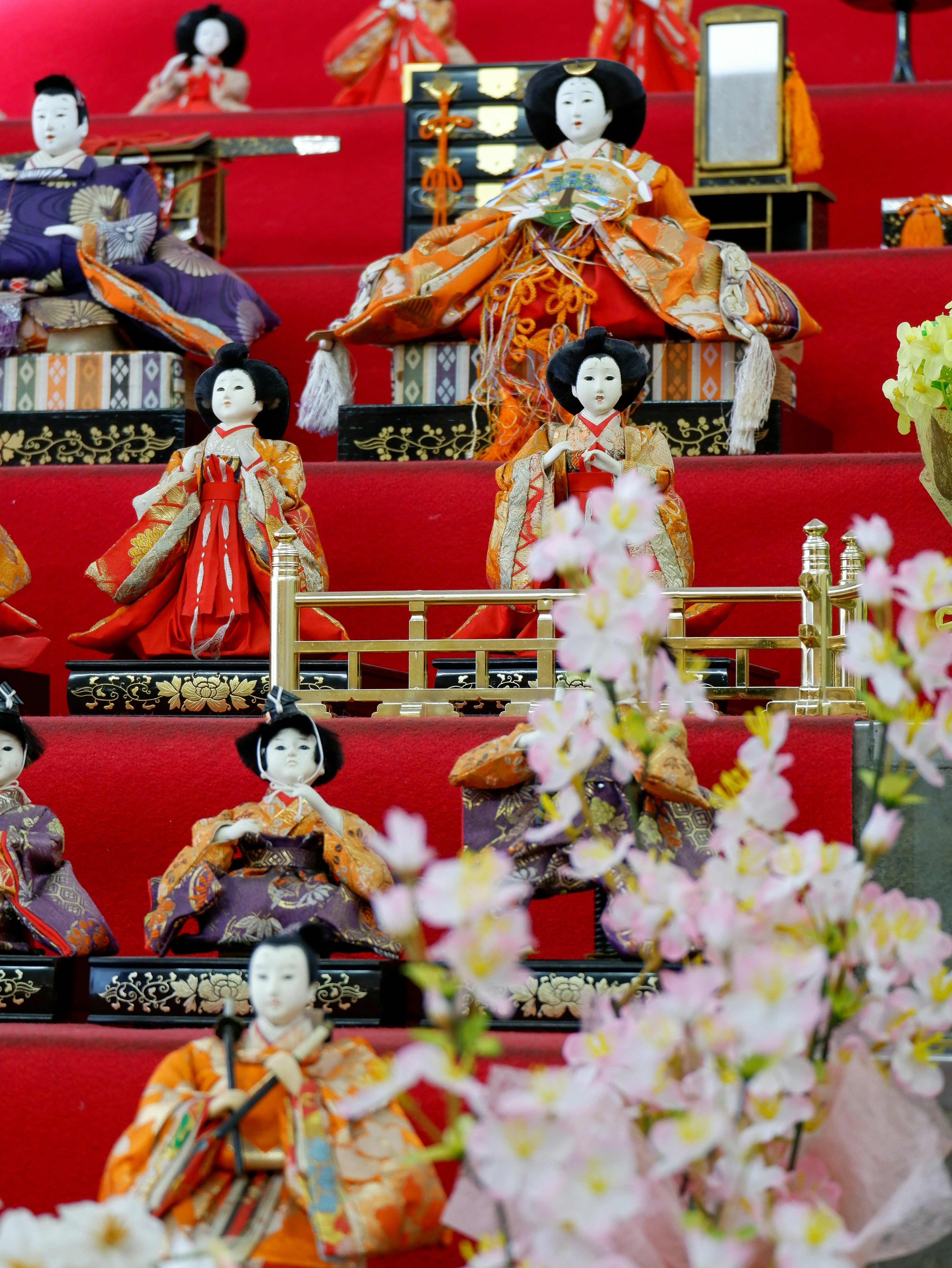
Every year on March 3, the atmosphere inside Japanese homes suddenly turns soft and filled with pastel colors. In the corner of the living room, rows of beautiful kimono-clad dolls stand neatly arranged on tiered platforms covered in red cloth. Mothers busily arrange them, young girls smile with pride, and the entire room feels warm with a mix of tenderness and joy. This is Hinamatsuri, also known as the Doll Festival, one of Japan’s most elegant traditional celebrations. The festival is dedicated to girls. More than simply displaying beautiful dolls, Hinamatsuri is a prayer expressed through art, with the hope that every girl will grow up healthy, happy, and blessed. In every fold of the dolls’ kimono and in the delicate details of their porcelain faces lies a deep philosophy and affection passed down through generations for centuries.
Literally, “Hinamatsuri” comes from the word hina, meaning small dolls, and matsuri, meaning festival or celebration.
This tradition dates back to the Heian period, from 794 to 1185. At that time, the Japanese believed that dolls had the power to absorb negative energy and protect humans from evil spirits. It was common for families to make dolls from straw or paper and then float them down rivers in a ritual called hina-nagashi, symbolizing the cleansing of bad luck.
Over time, this tradition evolved into a more aesthetic and personal form. The dolls were no longer discarded, but instead kept and displayed every year as a form of prayer and respect.
Today, Hinamatsuri has become one of the most enchanting symbols of Japanese culture, as it is a celebration that blends spirituality, art, and family affection into a single meaningful display.
The most striking feature of Hinamatsuri is, of course, the hina ningyō, or decorative dolls that define this festival. The dolls are usually arranged on tiered shelves called hinadan, covered with bright red cloth symbolizing happiness and purity. On the top tier sit the two main dolls known as dairi-bina, representing the Emperor and Empress, dressed in magnificent court attire from the Heian era. The next layers feature court attendants, musicians, guards, and various miniature palace ornaments such as furniture, lanterns, and imitation cherry blossoms. In some homes, the arrangement can reach up to seven tiers filled with astonishing detail, as if recreating an imperial palace in miniature form. Often, these dolls are family heirlooms that have been carefully preserved for generations. Preparing them is not merely decoration, but a meaningful ritual. Every year, mothers and grandmothers carefully take out the dolls, dust them off, and rearrange them while reminiscing about their own childhoods, when they too were celebrated in the same way.
Of course, Hinamatsuri is not only about dolls and aesthetics. Behind it all lies a deep spiritual and social meaning. For the Japanese, Hinamatsuri is a time to reflect on the role of family, especially the relationship between mothers and daughters. Through this festival, parents express their hopes that their daughters will grow up with a balance of gentleness and strength, elegance and independence. Many families hold small ceremonies at home, serving traditional foods such as chirashizushi (sushi rice topped with colorful ingredients), hina-arare (small pastel-colored rice crackers), and shirozake (a sweet rice drink). The soft colors of these foods carry symbolic meanings: pink represents love and happiness, white symbolizes purity, and green represents hope and growth. All of these elements convey charming symbolic values.
In some regions, Hinamatsuri is celebrated on a grand scale and becomes a tourist attraction. For example, in the Tsurushi-bina area of Shizuoka Prefecture, thousands of hanging dolls shaped like flowers, birds, and lucky objects fill entire rooms like a dream garden. Meanwhile, in Katsuura, Chiba, more than 30,000 dolls are displayed throughout the city, creating a spectacular and colorful scene. There are also places where the hina-nagashi tradition is still practiced, with paper dolls floated down rivers to carry away bad luck.
No matter how large or small the celebration is, the core of Hinamatsuri remains the same: gratitude, prayer, and sincere affection. In modern times, many kindergartens in Japan also hold their own versions of Hinamatsuri, teaching children about tradition through play and song. In this way, gentle values of family love and respect for culture are preserved even amid today’s fast-paced modern life.
Interestingly, behind the cheerful atmosphere of Hinamatsuri, there is also a humorous side in the form of a common Japanese myth. It is said that if the dolls are not put away promptly after March 3, the daughter of the house will have difficulty getting married. For this reason, once the festival ends, mothers usually pack up the dolls quickly. Of course, they do not entirely believe the myth, but more out of a “just in case” feeling. Another practical reason is simply that they do not want the expensive dolls to get damaged.
Small traditions like this make Hinamatsuri feel alive and full of character. It is not just an old ritual carried out mechanically, but a celebration filled with smiles, laughter, and family warmth. Even in the age of social media, many modern Japanese families still photograph their dolls every year and share them with sweet captions like “Happy Hinamatsuri to my beloved daughter.” This proves that the festival continues to adapt without losing its essence.
Hinamatsuri is not just about a festival with beautiful dolls or tables draped in red cloth, but about love and hope passed down from generation to generation. It reflects how the Japanese express affection in a quiet yet deeply meaningful way.
In a society that values harmony and beauty, Hinamatsuri becomes a gentle symbol of how happiness can be celebrated without noise, simply through prayer, togetherness, and a warm cup of tea beside smiling dolls.
Even as the world continues to change, the essence of this festival remains eternal: every parent, wherever they may be, wants the same thing—to see their child grow up happy and surrounded by love. So the next time you see rows of small, serene-faced dolls in a Japanese home, remember that behind those gentle smiles lies a long history, silent prayers, and affection that never fades.