
How to Legally Extend a Short Stay in Japan Without Leaving
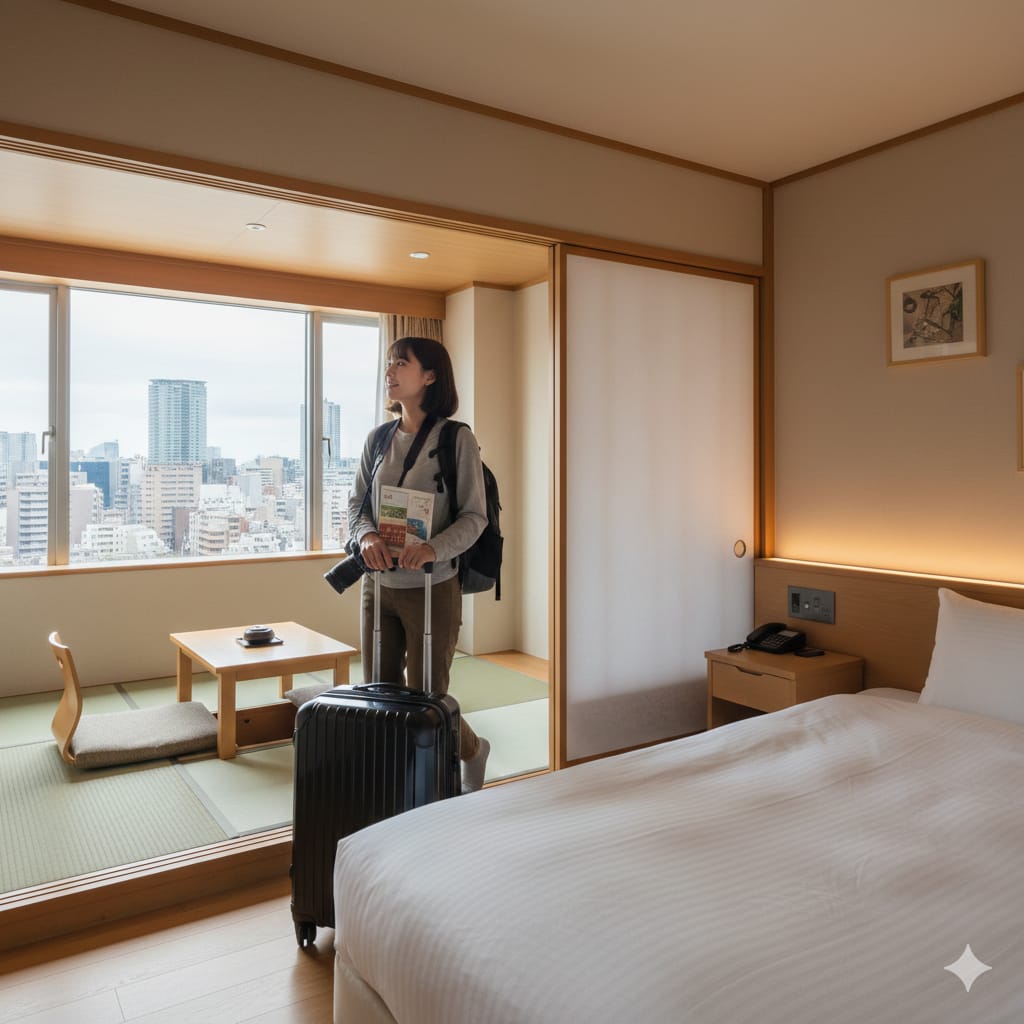
Japan allows travelers from many countries to enter visa-free for short periods, typically up to 15, 30, or 90 days depending on nationality. This permission is recorded on the landing stamp or digital entry authorization received upon arrival. Travelers are legally required to depart before the approved stay expires, and overstaying can result in fines, detention, or bans from future entry. Because of this, extending a stay must follow strict legal procedures and cannot be assumed automatic.
When Extensions Are Possible
Immigration may consider an extension request only under valid reasons, such as medical emergencies, cancelled or rescheduled flights, humanitarian circumstances, or genuinely unavoidable delays. Tourism extensions without a clear reason are rarely approved. Each case is reviewed individually, and officers may request documents, proof of financial support, and explanation letters before making a decision.
Where to Apply for an Extension
Applications must be submitted in person at the nearest Regional Immigration Bureau in Japan. These offices are located in major cities including Tokyo, Osaka, Yokohama, Nagoya, Fukuoka, Sapporo, and Hiroshima. Travelers cannot apply at airports or city ward offices, and appointments are not always required, though long waiting times are common.
Documents You Need to Prepare
Applicants must bring a valid passport, completed application form, a recent passport-sized photograph, supporting documents explaining the reason for extension, and proof of funds such as bank statements. Additional papers like medical certificates, flight cancellation notices, or sponsor letters may be required depending on the situation. Immigration officers decide whether documentation is sufficient.
How Long You Can Extend
If approved, the extension generally grants additional days equal to the original permitted stay, though the number may vary. Approval is not guaranteed, and even a strong application may be refused without explanation. If denied, the traveler must leave Japan immediately or by the date written by immigration officials.
Important Restrictions to Know
Extensions cannot be used to repeatedly stay long-term, and frequent requests may lead to suspicion of misuse. You cannot work, study, or engage in business activities without an appropriate visa, even if an extension is granted. Travelers should apply well before the expiration date, because applying after expiry is considered an overstay.
Alternative Legal Options
Those wishing to remain longer for structured purposes—such as language study, cultural programs, or employment—must apply for a change of status to a different visa type. This process is more complex but may allow legal long-term stay without leaving Japan. Approval depends on eligibility guidelines and supporting documents.
Practical Tips for a Smooth Process
Arriving early at the immigration office, preparing clear explanations, and showing organized documentation increases the chance of a positive outcome. It is strongly recommended to maintain polite communication with officers and avoid emotional arguments or incomplete statements. Planning ahead is essential, as extensions are a privilege, not a right.