Japanese Border Control Pulled the Itinerary Out: Here’s Why
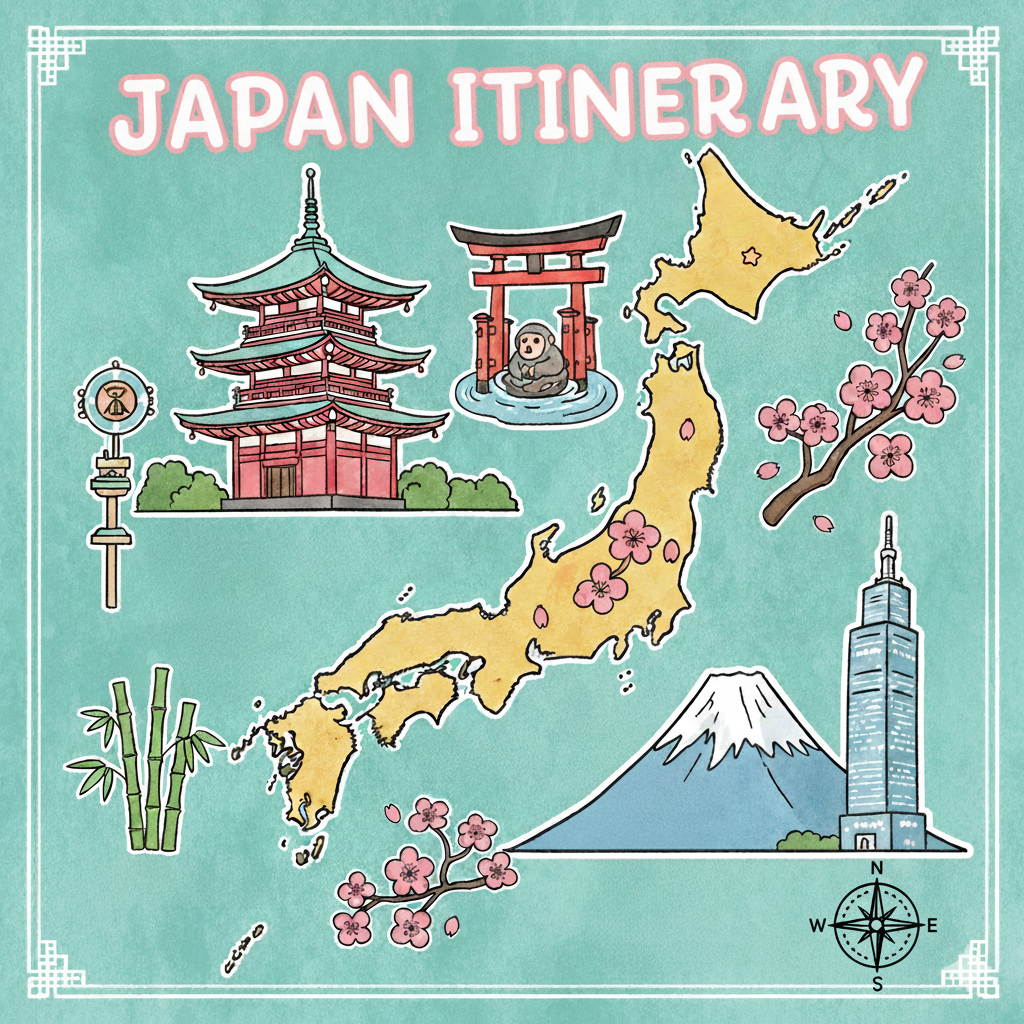
Picture this, you’ve just landed in Japan, your passport stamped with anticipation, and you’re ready to breeze through immigration. Then suddenly, an officer asks, “May I see your travel itinerary?” It might feel unexpected, but there’s a simple reason behind it and knowing why can make your arrival smoother and stress-free.
Why Your Itinerary Matters at Japan’s Border
At Japan’s airports, immigration is more than a quick passport scan. The process typically moves through quarantine, immigration, baggage claim, and customs each step confirming you meet entry requirements. When a border officer asks for your itinerary, they’re verifying that your travel plans make sense: how long you’ll stay, where you’ll sleep, and when you plan to leave.
Japan’s immigration officials are trained to ensure that every visitor’s story adds up. A clear itinerary shows that your visit is genuine. It also reassures officers that you have concrete accommodation, a return ticket, and a structured plan rather than a vague idea of “seeing where things go.”
When Immigration May Ask for It
Travelers are more likely to be asked for their itinerary if they’re entering Japan on a short tourist stay or passing through on transit. Sometimes the officer simply wants to confirm your first night’s address or see proof of your onward flight. In cases where a visitor can’t explain their travel route for example, if they mention multiple cities but have no bookings officers might look more closely at the itinerary.
Even after immigration, your itinerary can play a role at customs. Officials sometimes use it to cross-check declarations or confirm that your travel purpose aligns with the items you’re carrying.
What Happens When They Pull Out Your Itinerary
If a Japanese border officer requests your itinerary, don’t panic it’s standard practice. They’ll review your flight details, accommodation bookings, and any onward travel. Showing a clear plan demonstrates transparency and speeds up the conversation.
Digital formats are perfectly acceptable. Many travelers now use Japan’s “Visit Japan Web” service to register their travel details in advance, making the inspection process faster. Being prepared to answer simple questions such as why you’re visiting, how long you’ll stay, or where you’ll be based is usually all that’s required.
How to Prepare and Avoid Delays
Preparation is key to a smooth arrival. Booking at least your first night’s accommodation before you fly helps you provide a clear address at immigration. Having a confirmed return or onward ticket reassures officers that you plan to leave Japan as scheduled. Registering your travel information through the Visit Japan Web platform can also save time, as it centralizes quarantine, immigration, and customs steps into one digital process.
Keep digital copies of your itinerary, flight confirmations, and hotel details handy. When officers see that you’re organized, they’re far less likely to question your plans in depth. The goal isn’t to catch travelers off guard but to confirm that everyone entering Japan has a legitimate and transparent purpose for their stay.
A Final Word: It’s About Readiness, Not Restriction
Having your itinerary reviewed isn’t a bad sign it’s a sign of Japan’s meticulous approach to border security. By taking a few minutes to organize your documents before departure, you’ll make your arrival calm, professional, and respectful of local regulations.
In short, when Japanese border control pulls out your itinerary, it’s not a warning it’s a routine check. Show your plan confidently, smile, and you’ll be on your way to exploring Japan in no time.