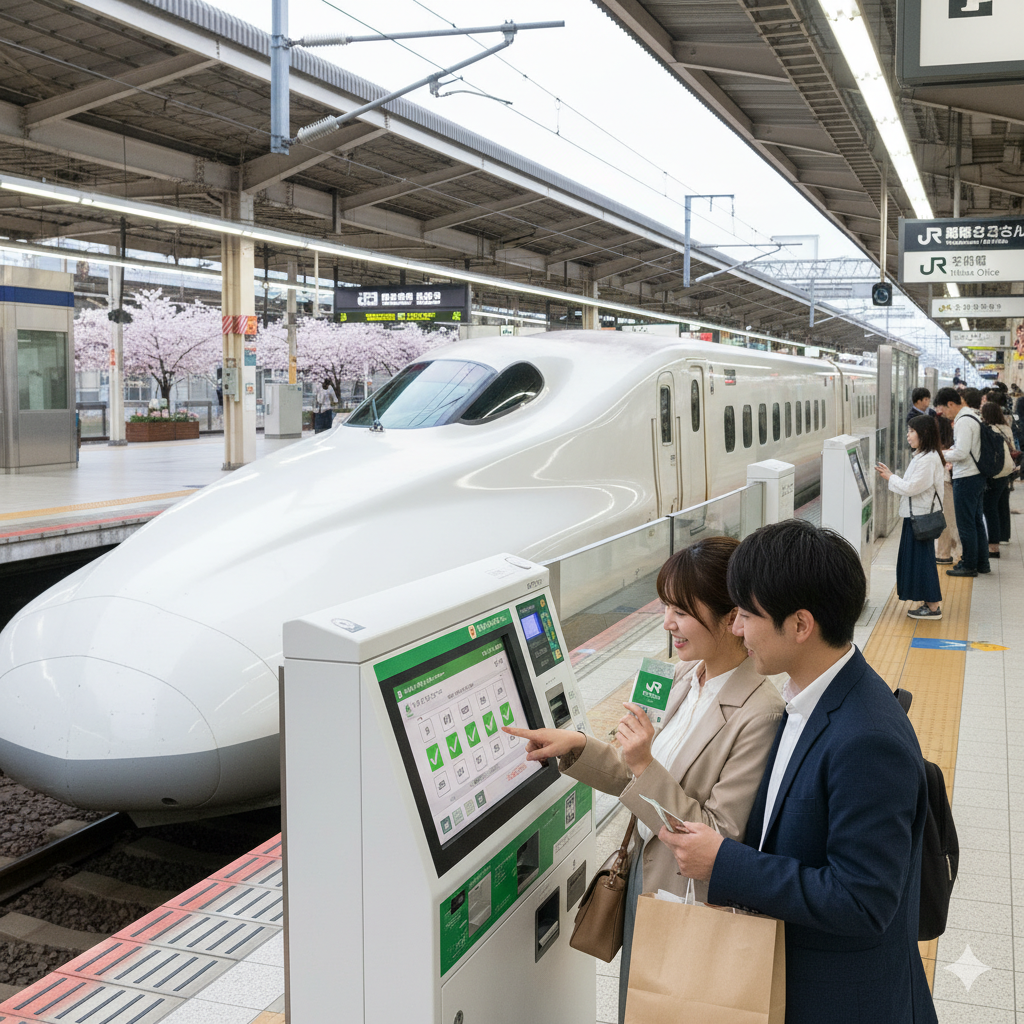
The Immigration Question That Catches Tourists Off Guard Every Time
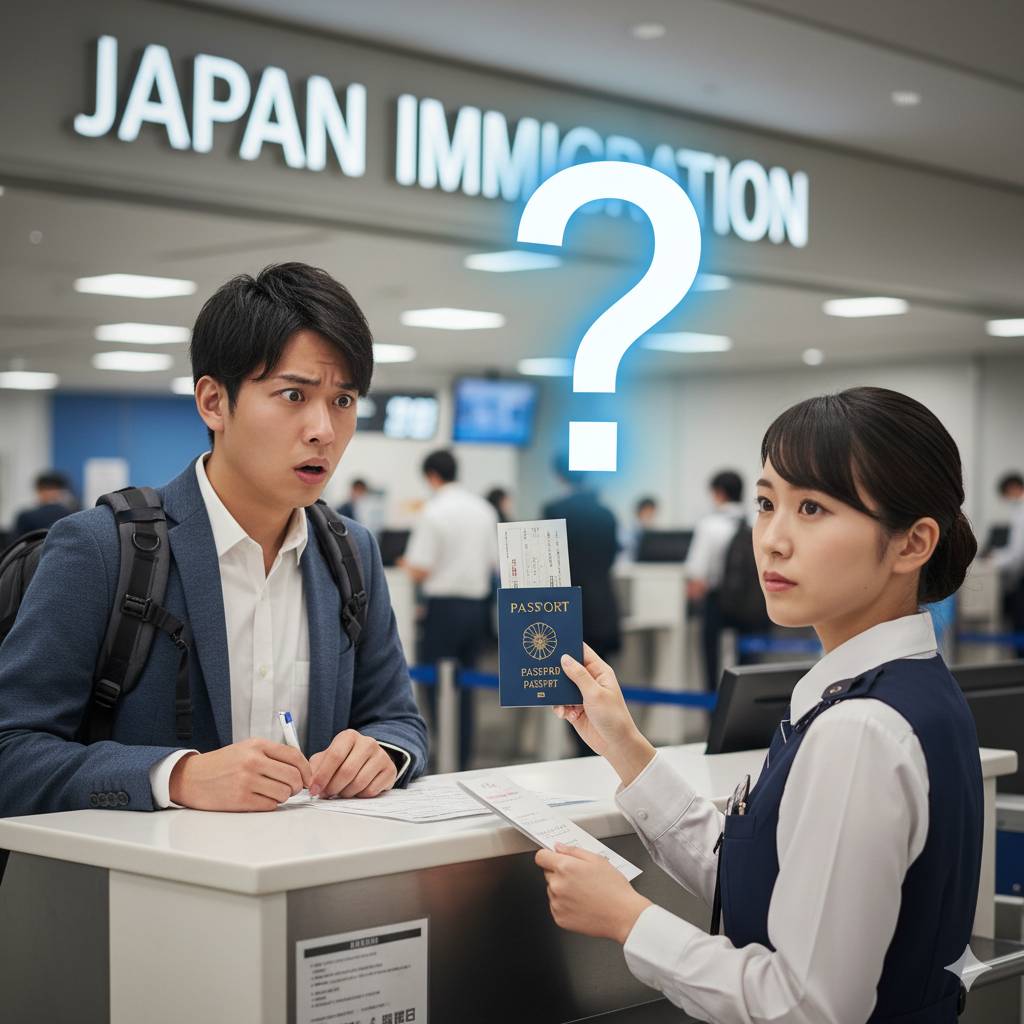
Stepping into Japan: The Final Hurdle at the Immigration Desk
You've made it! You’ve landed in Japan, navigated customs forms, and grabbed your bags. The only thing standing between you and the ramen, shrines, and neon lights is the final encounter at the immigration desk. While most of the process is straightforward—showing your passport and visa (if required)—there is one seemingly innocent question that often trips up even the most prepared tourists: "What is your detailed itinerary while you are in Japan?"
This question, or variations of it, is designed to confirm that you are genuinely visiting as a tourist and not attempting to enter the country under false pretenses. While simple on the surface, many travelers are caught off guard, suddenly forgetting the names of the cities they planned to visit.
Why Immigration Asks the Question
Understanding the motive behind the question helps you prepare a better answer. The primary goal is verifying intent: a genuine tourist should be able to articulate their travel plan. A vague or confused answer can raise a red flag, suggesting you might be planning to overstay, work illegally, or simply haven't done your research. Furthermore, your itinerary helps officers in assessing financial capacity and serves as a standard security protocol by confirming your planned accommodations.
The Pitfall: Tourists’ Common Mistakes
Many travelers fail this simple test not because they are doing anything wrong, but because they commit these common errors:
Vague or Overly Detailed Answers: Saying "I will travel all over Japan" is too vague, while listing every single museum sounds rehearsed and unnatural.
Forgetting Key Details: Under pressure, many forget the name of their first accommodation or the specific sequence of cities they will visit.
Inconsistency with Documentation: Saying you'll spend 14 days in Hokkaido when your pre-booked accommodation is entirely in Osaka is a major warning sign.
The "I Haven't Decided Yet" Trap: While flexible travel is appealing, this response suggests a lack of seriousness about your visit and raises suspicions.
The Perfect Answer: Simple, Direct, and Confident
Your goal is to provide a response that is concise, believable, and confident. Here is how to nail it:
Before you even step off the plane, prepare a "Cheat Sheet". Have your Duration of Stay, your Main Cities (in order), your First Accommodation details, and your Purpose (Sightseeing, visiting temples/gardens) easily accessible.
When asked about your itinerary, formulate a two-sentence summary:
"I will be traveling for [Number] days. My itinerary includes visiting Tokyo, Kyoto, and Osaka, primarily for sightseeing and experiencing cultural sites. I will be staying at the [Hotel Name] in [City] for the first [Number] nights."
Finally, be prepared to show proof. Keep your most crucial documents ready, not buried deep in your carry-on. The most essential piece of evidence is your Return Flight Ticket—proof that you intend to leave—and your First Accommodation Booking.
Summary: Approach the Desk with Confidence
The immigration process is less about trick questions and more about verification. By having a clear, concise, and rehearsed summary of your travel plans ready, you demonstrate organization and genuine tourist intent. Walk up to the immigration desk, smile, and deliver your answer clearly. Focus on the highlights of your trip—the cities and the duration—and you will clear the final hurdle and begin your amazing Japanese adventure!