Bushido: The Way of the Samurai Knight That Became the Ethical Foundation of Modern Japanese Society

When hearing the word samurai, what often comes to mind is the image of a man in a kimono with a katana at his waist, standing firmly beneath the Japanese sunset. This figure appears not only brave, but also calm and dignified, as if every movement carries meaning.
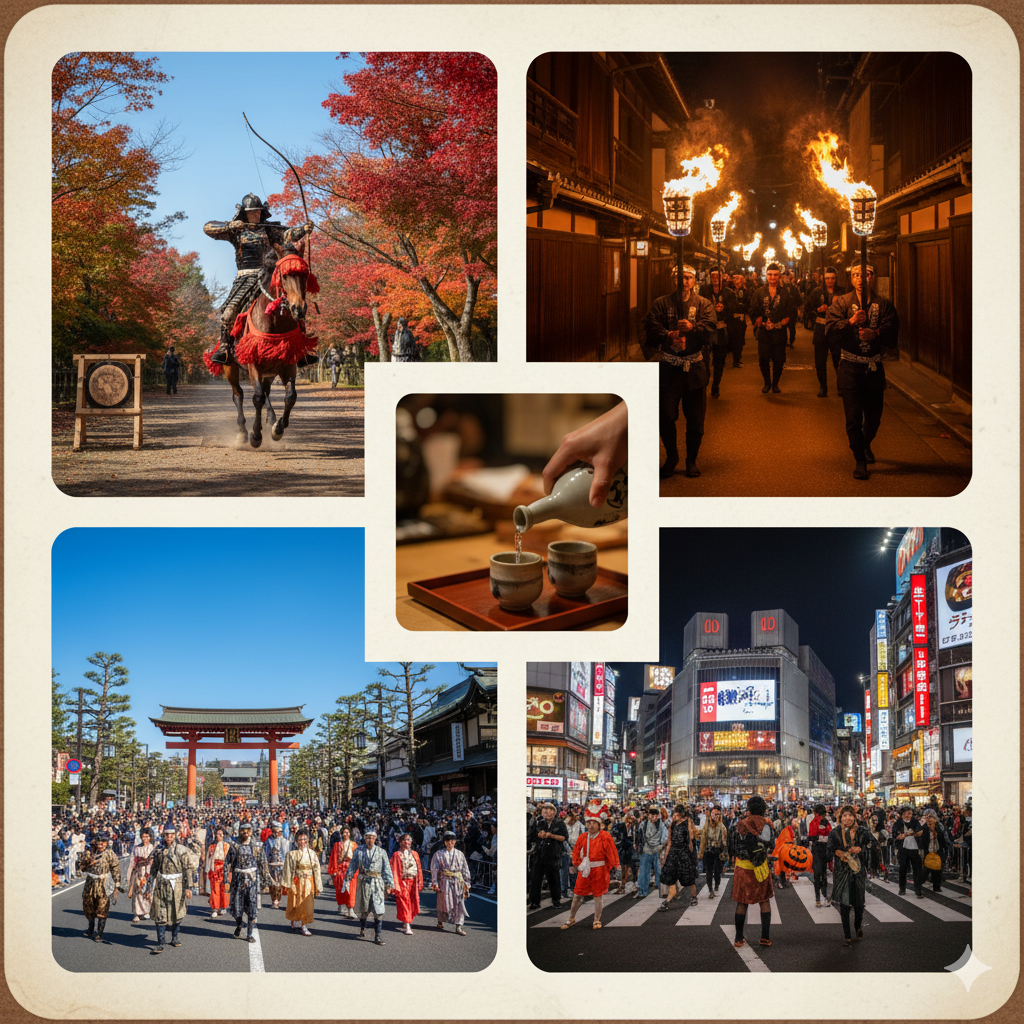
Behind this masculine image lies a philosophy that became the foundation of samurai life for centuries: Bushido, which means “The Way of the Warrior.” Bushido is not merely a code of ethics for combat, but a way of life that emphasizes honor, discipline, and responsibility.
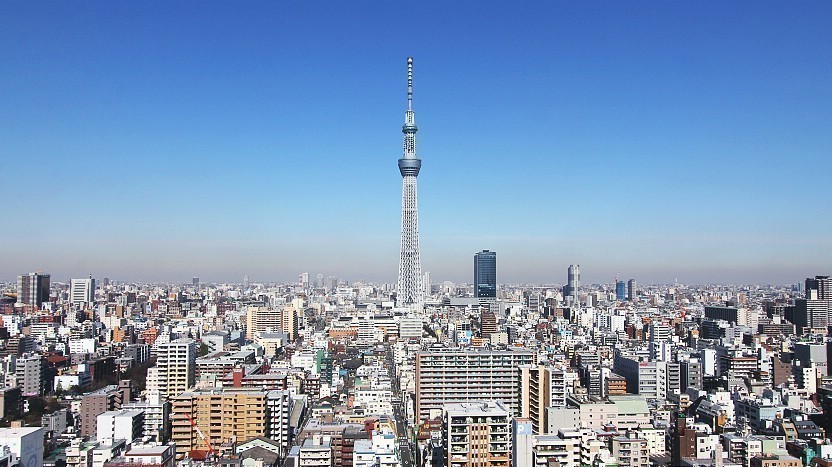
Interestingly, although samurai have long disappeared from daily life in modern Japan, the values of Bushido continue to pulse in the hearts of its people. From corporate boardrooms in Tokyo to elementary school classrooms, the spirit of Bushido is still strongly felt—only now, the sword has been replaced by the pen, work ethic, and manners that shape everyday Japanese behavior.
Historically, Bushido developed during Japan’s feudal era between the 12th and 19th centuries, when samurai served as guards, protectors, and loyal retainers of daimyo (feudal lords or nobles). They were not merely skilled warriors, but individuals who lived by high moral principles. Bushido functioned as a kind of standard operating procedure for samurai life, governing how they faced enemies, respected teachers, treated others, and even accepted death with grace. This philosophy was influenced by Shinto, Zen Buddhism, and Confucianism, creating a deep blend of spiritual and moral values. From this emerged the seven core virtues of Bushido: Gi (righteousness and justice), Yu (courage), Jin (compassion), Rei (respect and courtesy), Makoto (sincerity), Meiyo (honor), and Chūgi (loyalty). Every samurai was trained to balance physical strength with wisdom of the heart, because for them, the sword was merely an extension of a disciplined soul.
However, Bushido is not only about glory on the battlefield. It also speaks about how one organizes life with integrity and self-control. Samurai were taught not to be attached to luxury, not to boast about their abilities, and to always keep their promises, even when doing so involved great risk.
In historical records, there are many stories of samurai who willingly gave their lives to protect their honor or that of their lord. One famous example is the legend of the 47 Ronin, a group of masterless samurai who sought justice for their dishonored teacher and then committed seppuku (ritual suicide) after completing their mission. This act may appear extreme by modern standards, but for them it represented the highest form of loyalty and responsibility. In Bushido, losing one’s life was not the greatest tragedy; losing one’s honor was considered true destruction.
Interestingly, when the samurai era ended during the Meiji period (late 19th century), Bushido did not disappear. Instead, it transformed into a part of Japan’s national character. Bushido principles were adapted into education, the military, and even the business world. The Japanese work ethic—famous for its discipline and perfectionism—can be traced back to the spirit of Chūgi and Gi: loyalty to responsibility and adherence to justice. Punctuality, selfless hard work, and a sense of shame in failure all reflect modern interpretations of Bushido values. Even in the corporate world, the concept of kaizen (continuous improvement) carries a Bushido nuance—the desire to constantly improve without neglecting integrity and social responsibility. In social relationships, respect and humility (Rei) form the foundation of Japanese interactions. Perhaps this is why, even in a fast-paced digital era, Japanese society remains known for being polite, orderly, and deeply responsible.
On the other hand, Bushido also teaches balance between strength and gentleness, logic and empathy. The concept of Jin, or compassion, emphasizes that a true warrior is not only physically strong, but also sensitive to the suffering of others. In modern life, this value appears in Japan’s strong sense of social solidarity and cooperation. During major natural disasters such as earthquakes or tsunamis, we often see Japanese citizens calmly lining up for aid, helping one another without chaos, and maintaining order even in crisis. These actions are not merely the result of strict rules, but a reflection of Bushido values that have been deeply ingrained in the culture for centuries. It is as if within every modern Japanese individual lives the spirit of a samurai who says, “I am responsible not only for myself, but also for others.”
However, it cannot be denied that behind its appeal, Bushido also carries an interesting paradox. This code of ethics is extremely strict toward the self, demanding a level of moral perfection that is nearly impossible to achieve without great sacrifice.
In a modern context, an excessively strong work ethic can sometimes lead to phenomena such as karoshi (death from overwork), where individuals feel obligated to work endlessly in the name of responsibility and honor. This shows how Bushido values, when not balanced with self-awareness and empathy, can become a double-edged sword. On the other hand, Japanese society is gradually learning to adapt these ancient principles to new realities. Many companies now emphasize work-life balance, recognizing that maintaining health is also a moral responsibility toward oneself—essentially a modern reinterpretation of the virtues of Jin and Rei.
From this, we can agree that Bushido is not merely a relic of the past, but a mirror reflecting the Japanese identity across generations. It teaches that true strength does not come from muscles or weapons, but from the courage to live by one’s values.
In a fast-changing world filled with pressure, Bushido reminds us that honor, sincerity, and discipline are timeless foundations. From the way Japanese people greet one another respectfully, work with dedication, to caring for the beauty of their surroundings, all carry subtle traces of this ancient philosophy. So even though samurai swords now rest in museums and kimonos have been replaced by business suits, the spirit of Bushido lives on—in polite smiles, diligent work, and extraordinary dedication that ultimately make Japan known around the world.
And perhaps, behind every sincere “arigatou gozaimasu,” there is also a soft echo of warriors from the past, still whispering: honor your life as you would honor your sword.