Exploring the Natural Beauty of Mount Fuji in Spring
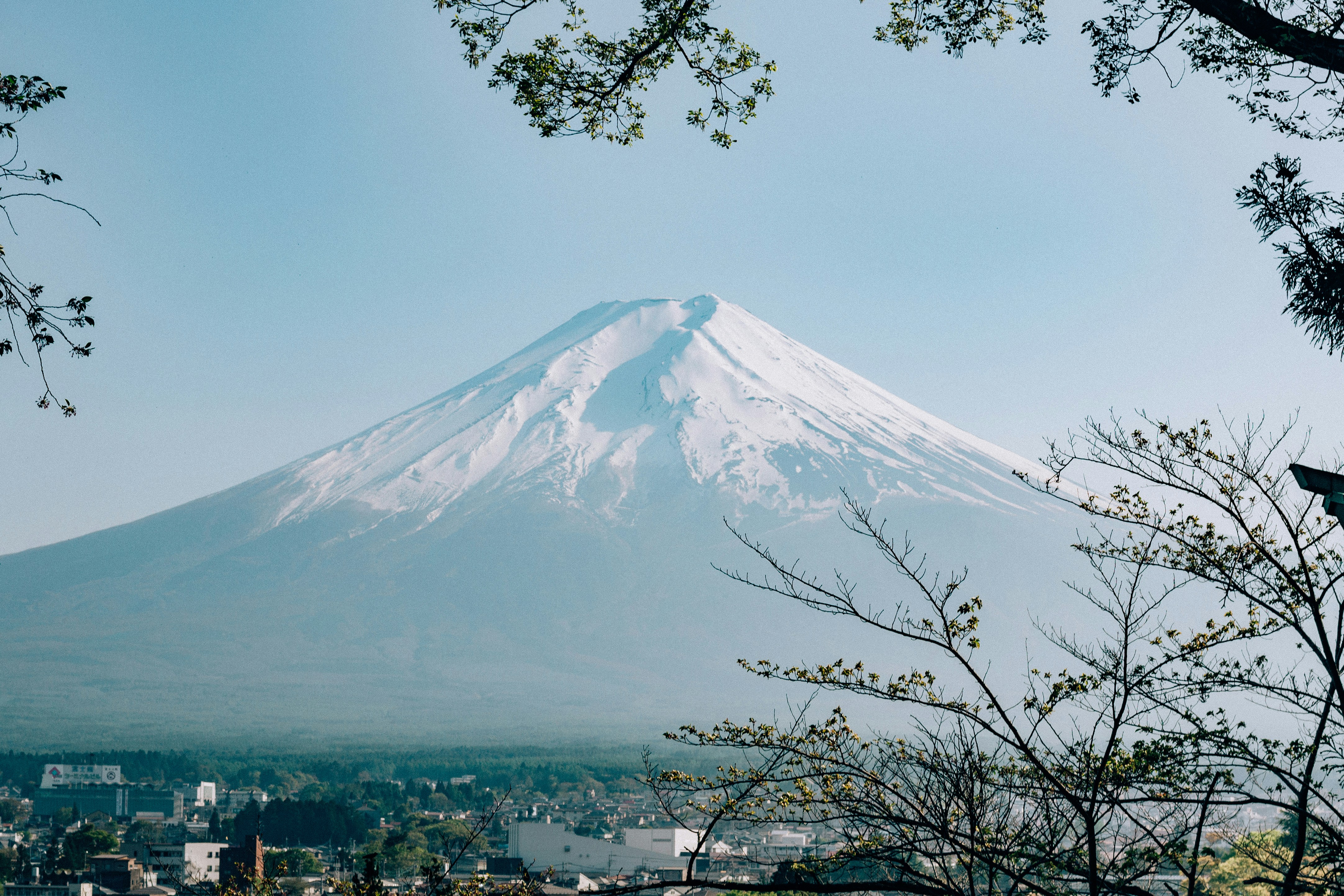
Mount Fuji or Fujisan, as the Japanese call it, is more than just a mountain. It is an icon, an inspiration, and a symbol of natural perfection that has captured the hearts of millions for centuries. Standing majestically at 3,776 meters, Mount Fuji is the highest peak in Japan and is one of the three sacred mountains (Sanreizan), along with Mount Tate and Mount Haku. When spring arrives, from approximately late March to early May, Mount Fuji transforms into a breathtaking landscape—a blend of white snow at the peak, blooming cherry blossoms at the foot of the mountain, and clear blue skies, creating a combination that looks like a living painting. It is no wonder that this region is always a dream destination for travelers from around the world.
The Eternal Charm Behind the Elegance of Mount Fuji For the Japanese
Mount Fuji is not just a natural tourist object, but it also holds deep spiritual meaning. Since the Edo period (1603–1868), this mountain has been considered sacred and a pilgrimage site for Shinto and Buddhist practitioners. They believe that climbing Fuji means purifying the soul, while viewing it from a distance is enough to bring good luck. To this day, Mount Fuji remains a symbol of harmony between humans and nature, a concept deeply embedded in Japanese culture.
Interestingly, although the mountain appears calm, Fuji is actually an active volcano, with the last eruption recorded in 1707. However, that does not diminish its allure at all. According to the Japan National Tourism Organization (JNTO), the area around Mount Fuji receives more than 5 million visitors per year, and that figure increases by about 12% every spring. Many tourists come not to climb, but to enjoy its beauty from various perspectives, where every angle of Mount Fuji has its own magic.
Lake Kawaguchi: A Mirror Reflecting the Majesty of Fuji
One of the best ways to enjoy Mount Fuji in the spring is by visiting Lake Kawaguchi (Kawaguchiko). Located on the northern side of the mountain's foot, this lake is known as nature's mirror because its calm surface can perfectly reflect Fuji's image, especially when the sky is clear. In April, the lakeshore area is adorned with thousands of cherry blossoms blooming simultaneously, creating a nearly surreal view featuring the snow-capped Mount Fuji in the background, a carpet of pink flowers in the front, and sparkling clear water in the middle.
Based on a report from the Yamanashi Prefectural Tourism Bureau (2024), about 1.3 million tourists visit Kawaguchiko during the spring season alone. One of the most popular spots in Kawaguchiko is Ubuyagasaki Point, the best place to take the classic "Fuji and sakura" photo. Meanwhile, on the eastern side of the lake, the Fuji Kawaguchiko Cherry Blossom Festival is held annually, featuring local snacks, traditional music, and night lights that illuminate the cherry blossoms. It is the perfect ambience for a leisurely stroll while enjoying the warm, characteristic Japanese atmosphere.
Chureito Pagoda: The Most Iconic Panorama in the World
If you have ever seen a photo of Mount Fuji with a red pagoda and cherry blossoms in front of it, there is a high probability it was the Chureito Pagoda at Arakura Sengen Shrine. From the top of the hill where this pagoda stands, you can enjoy one of the most famous panoramas in the world: Fuji towering gracefully in the distance, flanked by a sea of blooming cherry blossoms below. It is no surprise that this place is always crowded with photographers from various countries.
The best time to visit is usually around mid to late April, when approximately 650 cherry trees in the shrine area reach their peak bloom. At night, the area is lit by soft lanterns, adding a magical impression that is hard to forget. The local government of Fujiyoshida notes that more than 200,000 tourists visit the Chureito Pagoda every spring. Most visitors come simply to enjoy the sacred moment of seeing Fuji from a height while feeling a tranquility that contrasts with the hustle and bustle of Tokyo.
Matsuda Sakura Festival and Fuji Shibazakura Flower Park
In addition to Kawaguchiko and the Chureito Pagoda, there are two spring celebrations around Mount Fuji that should not be missed. The first is the Matsuda Sakura Festival, which usually takes place in early March at Nishihirabatake Park. Unlike the regular cherry blossoms that bloom in April, the Kawazu-zakura variety here blooms earlier with a deeper pink color. From this park, visitors can enjoy the majestic view of Fuji in the distance, surrounded by cherry blossoms and orange groves that present a truly charming color combination.
Then, from mid-April to late May, it is the Fuji Shibazakura Festival's turn to steal the spotlight. This festival features a field of more than 500,000 shibazakura (moss phlox) flowers in pink, white, and purple across a 2.4-hectare area at the foot of Mount Fuji. According to the 2024 organizing committee, this event attracts more than 800,000 domestic and foreign visitors annually. The view of the flower carpet stretching to the foot of the mountain is so spectacular it is often called the "sea of Fuji colors." A culinary area is also available here, selling typical foods such as mochi, soba, and matcha tea, all served against the magnificent backdrop of Fuji.
Enjoying Fuji from a Local Perspective
For those who want to experience the authentic side of Mount Fuji, try staying at a ryokan (traditional Japanese inn) around the Yamanashi or Shizuoka areas. Many ryokan offer onsen (natural hot spring baths) with a direct view of Fuji, making for a truly priceless experience. Imagine soaking in hot water while watching the mountain peak shrouded in thin clouds in the morning! The atmosphere is both calming and amazing.
Additionally, several small towns around Fuji, such as Fujinomiya and Gotemba, offer interesting cultural experiences. In Fujinomiya, you can visit Fujisan Hongu Sengen Taisha, the main shrine dedicated to the goddess of Mount Fuji, Konohanasakuya-hime. Meanwhile, in Gotemba, you can enjoy the Gotemba Premium Outlets, a shopping center with a stunning Mount Fuji backdrop. Imagine shopping while enjoying natural beauty! It is a combination rarely found elsewhere.
Data from the Japan Tourism Agency (2025) shows that the average hotel occupancy rate in the Fuji area reaches 87% during spring, making it one of the busiest tourist areas in Japan. Despite this, the local community maintains the hospitality and orderliness that are their hallmarks. Visitors often praise the cleanliness of the tourist areas, the efficiency of transportation, and the comfort of public services, which are tangible forms of the culture of omotenashi, or Japanese hospitality.
Fuji, a Mirror of Japanese Beauty and Perseverance
Mount Fuji is not just a tourist destination; it is also a reflection of the character of the Japanese people themselves—always calm, graceful, yet full of inner strength. In spring, when nature wakes up from its long winter sleep, Fuji becomes a symbol of life blooming once again, reminding us that beauty always emerges after a cold and quiet period. Whether you see it from the lakeshore, under a cherry tree, or from a Shinkansen train window, Mount Fuji always leaves the same impression: a simple yet profound sense of awe.
So, if you ever plan a trip to Japan, do not just come to see Fuji—come to feel it! Because in every breeze at the foot of the mountain, and in every cherry blossom petal that falls slowly, there is a story of harmony, peace, and eternal beauty that can only be found in the Land of the Rising Sun.