Cheap Eats in Japan: Minimarkets vs. Chain Restaurants
Traveling to Japan is often perceived as expensive, especially when it comes to dining. However, if you know the right strategies, you can enjoy delicious meals on a very tight budget. Two primary options for budget-conscious travelers are taking advantage of minimarkets, commonly known as konbini, and visiting various local chain restaurants scattered throughout every city.
1. The Advantages of Dining at Minimarkets (Konbini)
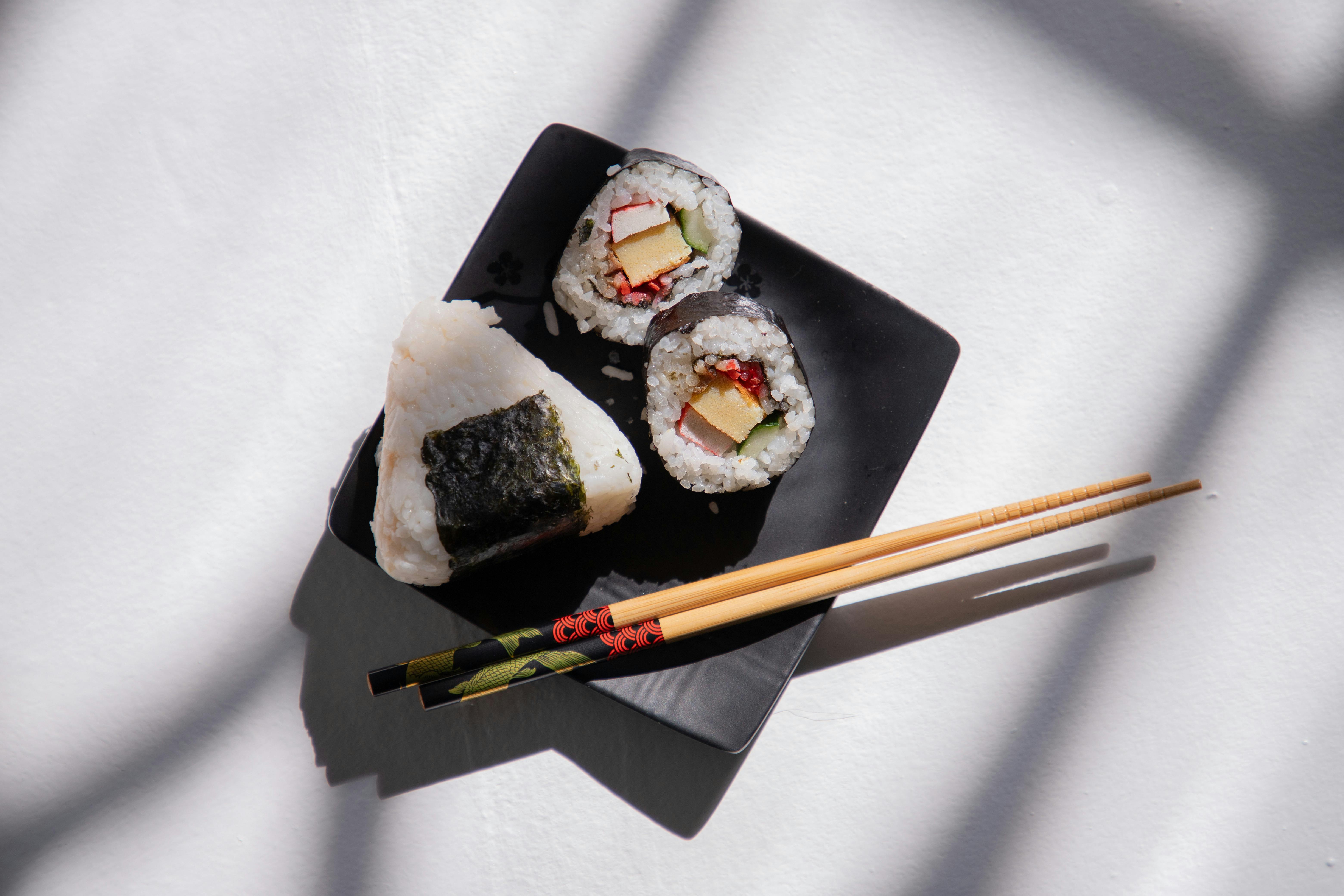
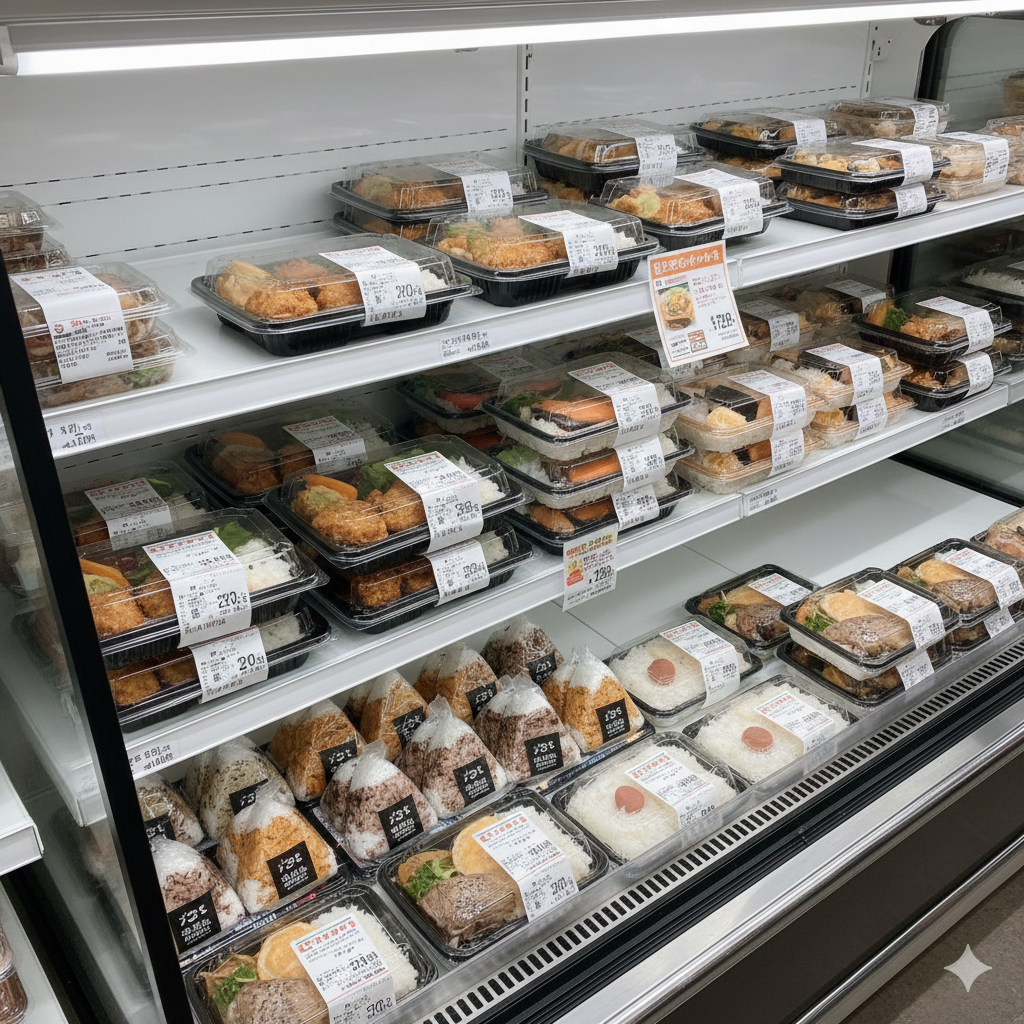
Minimarkets in Japan such as 7-Eleven, Lawson, and FamilyMart are lifesavers for tourists on a budget. The food quality here is strictly maintained and the taste is often comparable to sit-down restaurants. You can find a wide variety of choices ranging from onigiri and fruit sandwiches to bento boxes or full meal sets at very affordable prices.
One of the secrets to eating cheaply at a konbini is to visit in the evening. Usually, as the closing time or stock rotation approaches, many ready-to-eat meals are marked with discount labels ranging from 20 to 50 percent. Additionally, konbini provide microwaves and hot water facilities, allowing you to enjoy your meal warm at the seating areas available in many branches.
2. Exploring Affordable Chain Restaurants
Beyond minimarkets, Japan has many local fast-food restaurant chains offering full menus at low prices. Restaurants like Yoshinoya, Matsuya, and Sukiya are specialists in gyudon (beef bowls) and are often open 24 hours a day. For a relatively stable price, you can get a large serving of beef and rice along with miso soup without the need to pay any tipping fees.
If you are looking for something other than rice, you can find chain restaurants specializing in noodles such as Marugame Seimen for udon or Hanamaru Udon. These restaurants typically use an automated ticket machine system at the entrance, which is very convenient for tourists as they are often equipped with pictures and English translations. Eating at a chain restaurant provides a more comfortable sit-down experience compared to a konbini for a price that is not much higher.
3. Comparing Price and Nutrition
When comparing the two, konbini usually win in terms of speed and snack variety, while chain restaurants win in terms of portion size and the taste of fresh, made-to-order food. A meal at a konbini might cost you between 300 to 600 yen, whereas at a chain restaurant, you should prepare around 500 to 900 yen for a satisfying set meal.
From a nutritional perspective, chain restaurants often offer set meals (teishoku) that include a balanced mix of vegetables and protein. On the other hand, eating at a konbini requires you to be smarter about choosing food combinations to ensure you still get enough fiber intake during your trip. Both remain significantly cheaper options than dining at cafes or themed restaurants in tourist areas.
4. Conclusion for Travelers
The choice between a minimarket or a chain restaurant ultimately depends on your travel schedule. Konbini are perfect for a quick breakfast before heading out on your adventure, while chain restaurants are more ideal for lunch or dinner when you need to sit down for a moment to rest your feet.
By combining both options, you can cut your food expenses by up to half of a normal budget without feeling like you are missing out. Do not hesitate to try both, as each location offers an authentic taste of Japan that remains very friendly to your wallet.