Japan Tourist Tax to Triple Starting July 2026: Check the Details!
The Japanese government has recently announced a new policy that will significantly impact international travelers. Starting in July 2026, the international departure tax, commonly referred to as the Sayonara Tax, will undergo a substantial increase. This policy has been adopted as part of the government's strategy to strengthen national revenue and better manage a tourism sector that is becoming increasingly crowded.
1. Details of the Tax Rate Increase
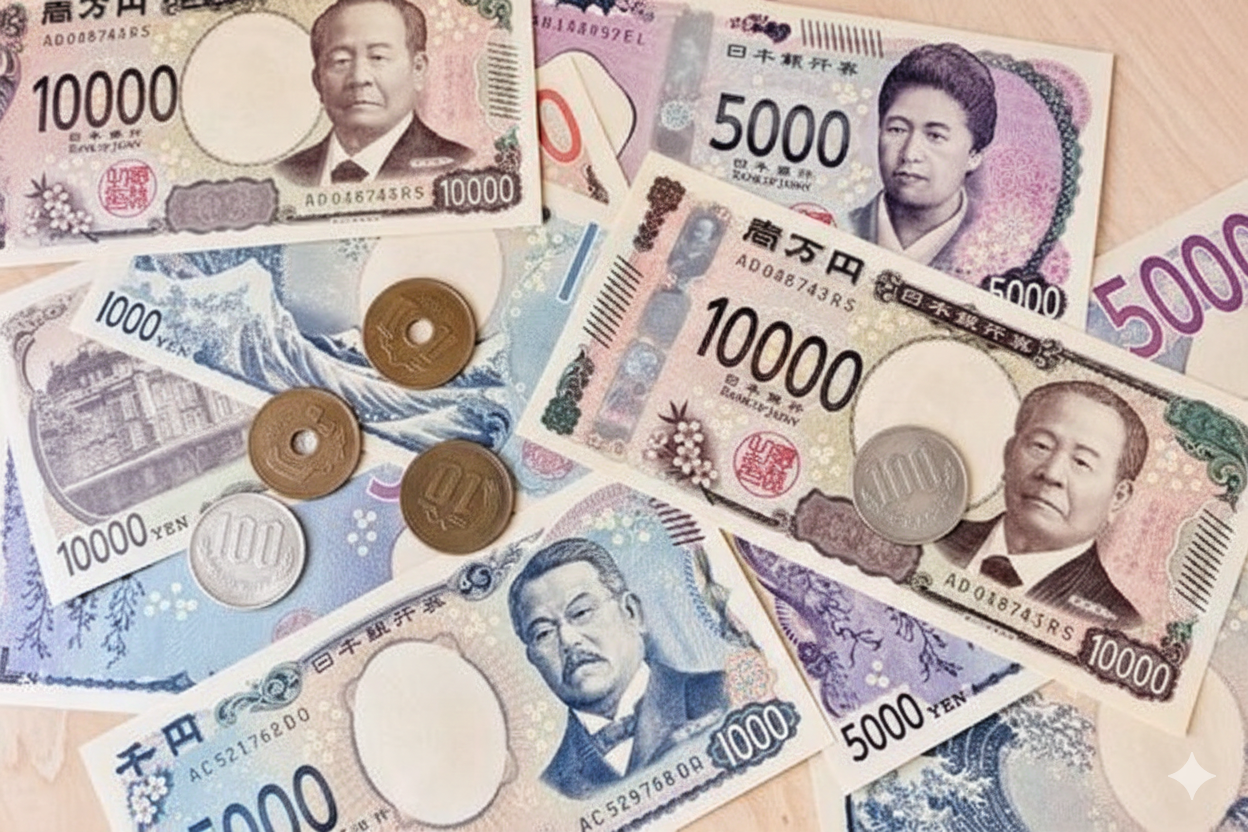
Currently, every individual leaving Japan via airports or seaports is charged a departure tax of 1,000 yen. However, starting from July 2026, this rate will triple to 3,000 yen per person. This tax applies to all passengers aged two and older regardless of nationality, which means Japanese citizens will also be subject to the same rate when traveling abroad.
This tax is typically not paid separately at the airport; instead, it is automatically included in the price of your airline or ferry ticket at the time of purchase. Exemptions are only granted to flight crews, infants under the age of two, and transit passengers who leave Japan within 24 hours of their arrival.
2. Reasons Behind the New Policy
The Japanese government stated that this increase is necessary to address the phenomenon of overtourism, or the excessive surge of tourists in major cities like Tokyo, Kyoto, and Osaka. The additional funds collected, estimated to reach 130 billion yen annually, will be allocated toward improving travel infrastructure and enhancing immigration processing systems to make them faster and more efficient.
Furthermore, this tax revenue will be used to promote regional tourist destinations that are currently less visited, in an effort to spread out the tourist population. A portion of the funds will also be dedicated to cultural preservation and environmental management in tourist areas affected by high visitor density. These steps are expected to create a higher quality travel experience for visitors while maintaining the comfort of local residents.
3. A Series of Other Additional Costs
The increase in the departure tax is not the only additional cost that travelers need to prepare for. The government is also planning to implement the JESTA system by 2028, which is an electronic travel authorization system for tourists from visa-exempt countries, expected to cost an additional 2,000 to 3,000 yen.
Additionally, several prefectures in Japan, such as Okinawa and Kyoto, are considering or have already implemented accommodation taxes (hotel taxes) that vary depending on the nightly rate. For international travelers, this means the total budget required for the administrative costs of a trip to Japan will be higher than in previous years.
4. Tips for Travelers Facing Rising Costs
Although this tax is mandatory, you can still manage your travel budget through more careful planning. It is recommended to book your tickets well in advance of July 2026 to avoid potential ticket price adjustments that follow the new tax rules. Additionally, make sure to monitor the latest policies regarding tax-free shopping rules, as the refund system is also expected to undergo changes starting in late 2026.
Given that the yen's exchange rate often fluctuates, a tax increase of 2,000 yen is actually not very large compared to the total cost of accommodation and transportation in Japan. However, the accumulation of various cost increases requires travelers to be wiser in managing their daily budgets so that their vacation remains comfortable and enjoyable without being burdened by unexpected expenses.