JESTA 2026: Japan’s New Entry Rule Similar to the US ETA System
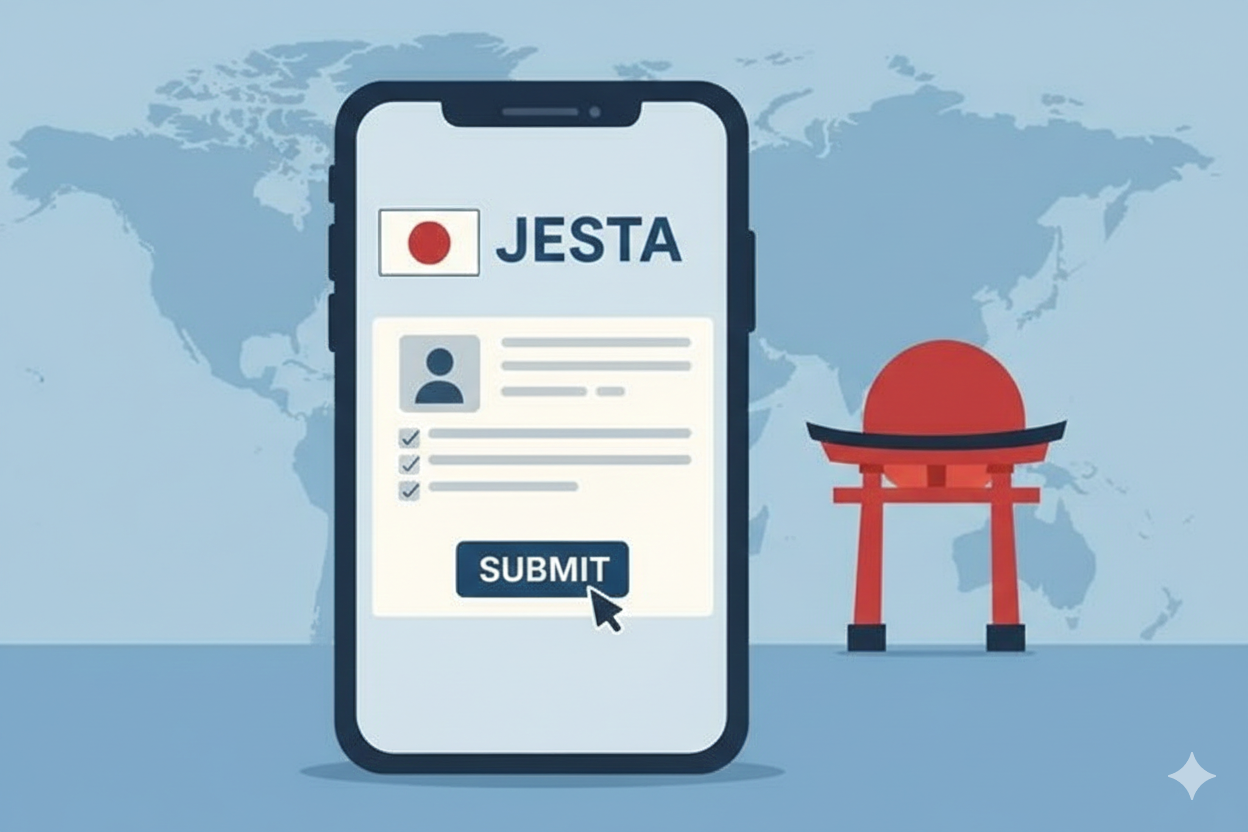
The Japanese government has recently provided an update regarding their border security system that will significantly impact international travelers. The system, named JESTA (Japan Electronic System for Travel Authorization), is currently being fast-tracked for implementation. This scheme is designed to screen visitors from visa-exempt countries before they set foot on Japanese soil, a move very similar to the ESTA system that has long been used in the United States.
1. What is JESTA and Why is it Being Implemented
JESTA is an electronic travel authorization system that must be applied for by travelers from countries that currently enjoy visa-free entry to Japan. The primary goal of this policy is to enhance national security and prevent the entry of individuals who are considered high-risk or who may potentially violate their stay permits through overstaying. With this system, the Japanese government can obtain passenger data long before they board their flight.
The surge in international tourist numbers, which has hit record highs in recent years, is the main reason behind the acceleration of this system. Through JESTA, immigration authorities can automatically screen personal data, the purpose of the visit, and planned accommodation details. If the system detects a risk, the application can be denied, and the traveler will be directed to apply for a traditional visa through consular channels at an embassy.
2. The Online-Based Application Mechanism
Much like the authorization systems in the United States or Australia, JESTA will operate entirely online through an official portal or app. Travelers will be required to fill out a digital form that includes passport data, travel history, and accommodation details during their stay in Japan. This process is very practical because it does not require a physical visit to an embassy or a document submission station.
JESTA approval will typically be issued within a short timeframe, ranging from a few minutes to several business days. This authorization will then be electronically linked to the traveler's passport. When checking in at the departure airport, airlines will verify the passenger's JESTA status through an integrated system. Without a valid authorization, passengers will not be allowed to board their flight to Japan.
3. Impact on International Travelers and Indonesian Passport Holders
For Indonesian citizens, particularly e-passport holders who have been enjoying the visa waiver facility, JESTA will become a mandatory additional step. Although the status remains visa-free, you can no longer simply rely on your passport and fly to Japan without prior registration. This adds to the list of administrative procedures that Indonesian travelers must prepare before starting their journey.
The Japanese government has also indicated that an administrative fee will be charged for each JESTA application. While the exact amount has not been officially announced, it is expected to range between 2,000 and 3,000 yen, which is roughly equivalent to the cost of similar systems in other countries. This fee will likely have a specific validity period, such as two years, so travelers do not need to apply for a new authorization for every visit within that timeframe.
4. Conclusion and Travel Preparation
The arrival of JESTA marks a new chapter in Japan's tourism management, making it more selective and organized. While it may seem like added bureaucracy, the system actually aims to speed up immigration queues at arrival airports because most passenger data has already been pre-screened. Japan wants to ensure that tourism remains smooth without compromising the security and comfort of its local residents.
For those planning a vacation to Japan starting in 2026, it is crucial to keep monitoring the official launch date of the JESTA portal so that your travel plans are not disrupted. Ensure your e-passport has sufficient validity and set aside an extra budget for this authorization fee. With proper preparation, the transition to this new digital system will not be an obstacle to enjoying the beauty of the Land of the Rising Sun.