The Tourism Policy of PM Sanae Takaichi: Implications for Global Travelers
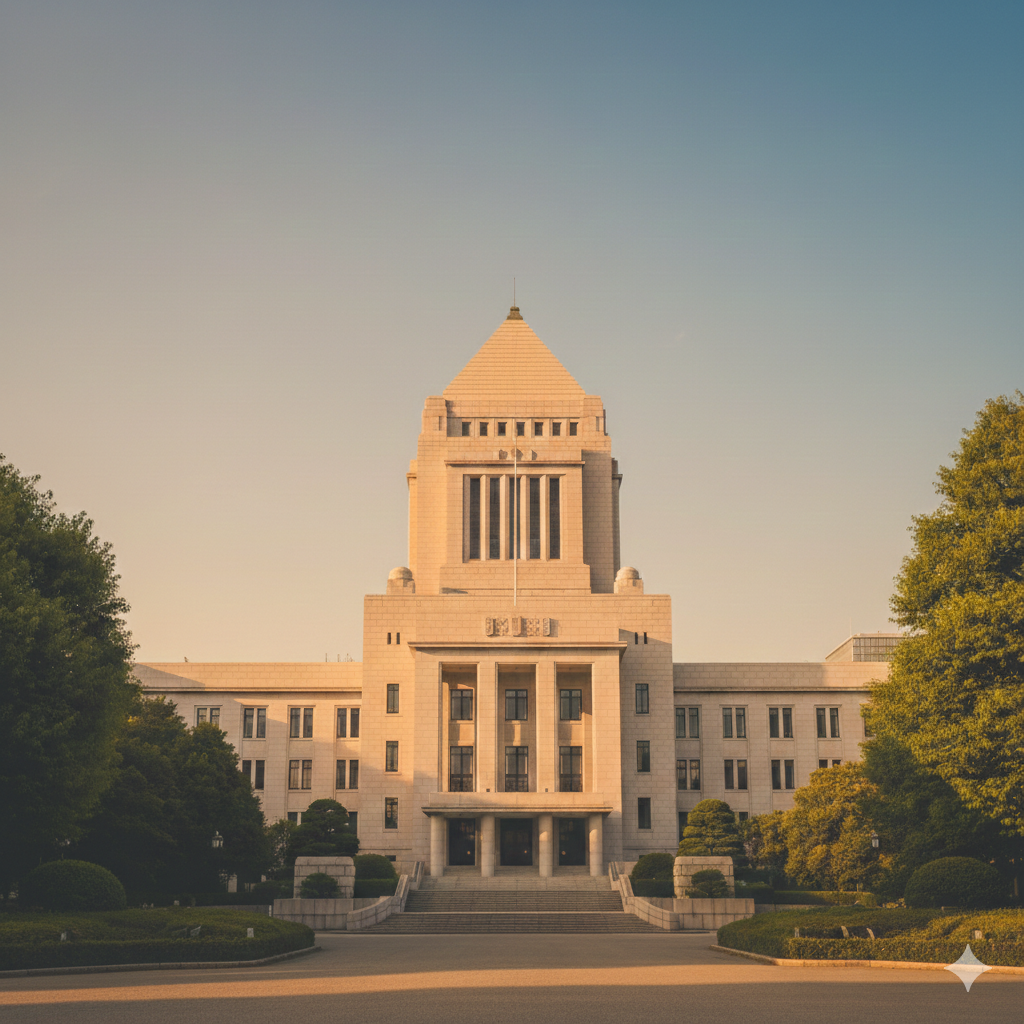
The election of Sanae Takaichi as Japan’s first female Prime Minister marks a defining moment in the nation’s political and economic trajectory. Known for her staunchly conservative stance and focus on national resilience, Takaichi’s leadership is expected to reshape how Japan interacts with the world. For the global travel community, her administration signals a transition from the post-pandemic rush to a more structured, high-value, and culturally protective tourism model. Her policies aim to balance the economic benefits of record-breaking visitor numbers with the preservation of Japan’s social fabric and local environment.
Under Takaichi’s leadership, the concept of sustainable tourism has moved from a suggestion to a central government mandate. Her administration views the current influx of international visitors as both a blessing and a logistical challenge that requires firm intervention. For global travelers planning a trip to the archipelago, this shift translates into new regulations, potential price adjustments, and a push toward exploring the country’s lesser-known regions. Understanding these changes is essential for anyone looking to experience Japan in this new political era.
1. Addressing Overtourism Through Economic Measures
Prime Minister Takaichi has been vocal about the need to curb overtourism in major hubs like Kyoto and Tokyo. To manage the pressure on local infrastructure, her government is moving forward with tiered pricing models and increased tourist taxes. Travelers may notice higher entry fees for historical landmarks and a rise in hotel taxes, which are funnelled directly into maintaining public services and cultural sites. This policy aims to attract high-spending tourists who contribute more significantly to the economy while ensuring that the quality of the experience remains high for every visitor.
2. A New Emphasis on Cultural Etiquette and Compliance
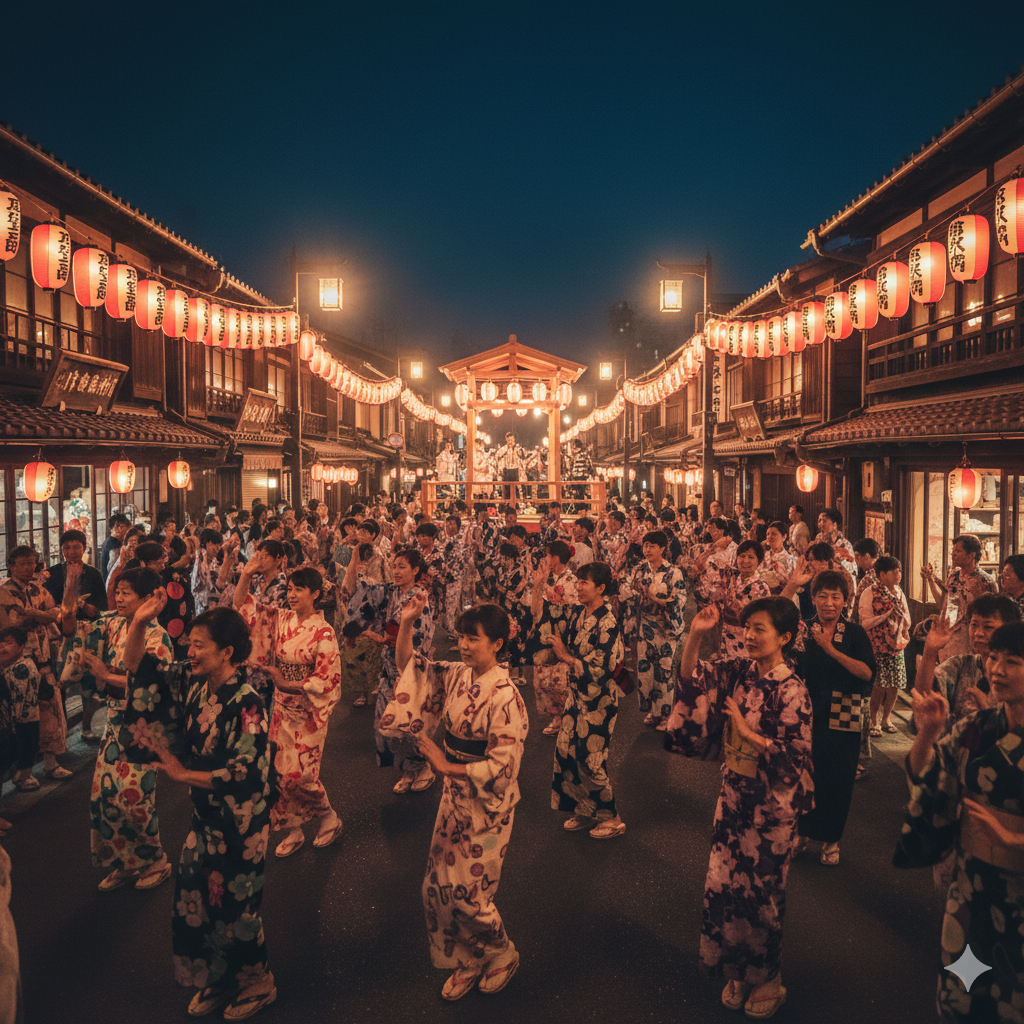
The Takaichi administration emphasizes the "mutual respect" between guests and hosts. There is a growing focus on enforcing local customs and etiquette, particularly in sensitive areas such as Gion or near sacred shrines. Global tourists should expect more visible enforcement of local ordinances regarding photography, waste disposal, and noise levels. While Japan remains a deeply welcoming nation, the government’s stance is that preserving the peace of local residents is non-negotiable, leading to stricter penalties for those who disregard established social norms.
3. Regional Revitalization and the Push Beyond the Golden Route
A cornerstone of Takaichi’s domestic policy is the revitalization of Japan’s shrinking rural prefectures. In terms of tourism, this means a redirection of promotional efforts and infrastructure investment away from the overcrowded Tokyo-Osaka corridor. Global travelers are being incentivized through improved transport links and English-language support in rural areas like Tohoku, Shikoku, and Kyushu. For the adventurous traveler, this policy provides a unique opportunity to see an authentic side of Japan that has remained largely untouched by mass tourism, supported by a government eager to showcase its regional diversity.
4. National Security and Streamlined Immigration Tech
While Takaichi maintains a firm stance on border security and national interests, her administration is also investing heavily in technology to keep borders efficient. The integration of advanced facial recognition and pre-clearance systems for major international partners is a priority. This ensures that while security screenings are rigorous, the actual process of entering Japan remains smooth for legitimate tourists. Global travelers can expect a highly digitized immigration process, though they should be prepared for stricter scrutiny regarding visa compliance and documentation as part of the broader national security framework.
The era of Sanae Takaichi suggests that Japan is no longer chasing visitor volume for the sake of numbers alone. Instead, the focus has shifted toward creating a sustainable, respectful, and economically viable tourism ecosystem. For the global traveler, Japan remains an accessible and mesmerizing destination, but one that now requires a deeper level of cultural awareness and a willingness to adapt to a more regulated travel environment.