Dual Pricing Policy in Japan: Do Tourists Pay More Than Locals?
Have you ever imagined paying a different price for the exact same bowl of ramen simply because you are a tourist? This phenomenon is becoming a hot topic of conversation in Japan. As the number of international visitors surges post-pandemic, several businesses in the Land of the Rising Sun have begun implementing dual pricing policies, where foreign tourists are charged higher rates than local residents.
This system allows for a price gap between international travelers and Japanese citizens for the same services. The following points provide an overview of why this policy is emerging and what it means for your next trip.
1. What is the Dual Pricing Policy in Japan?
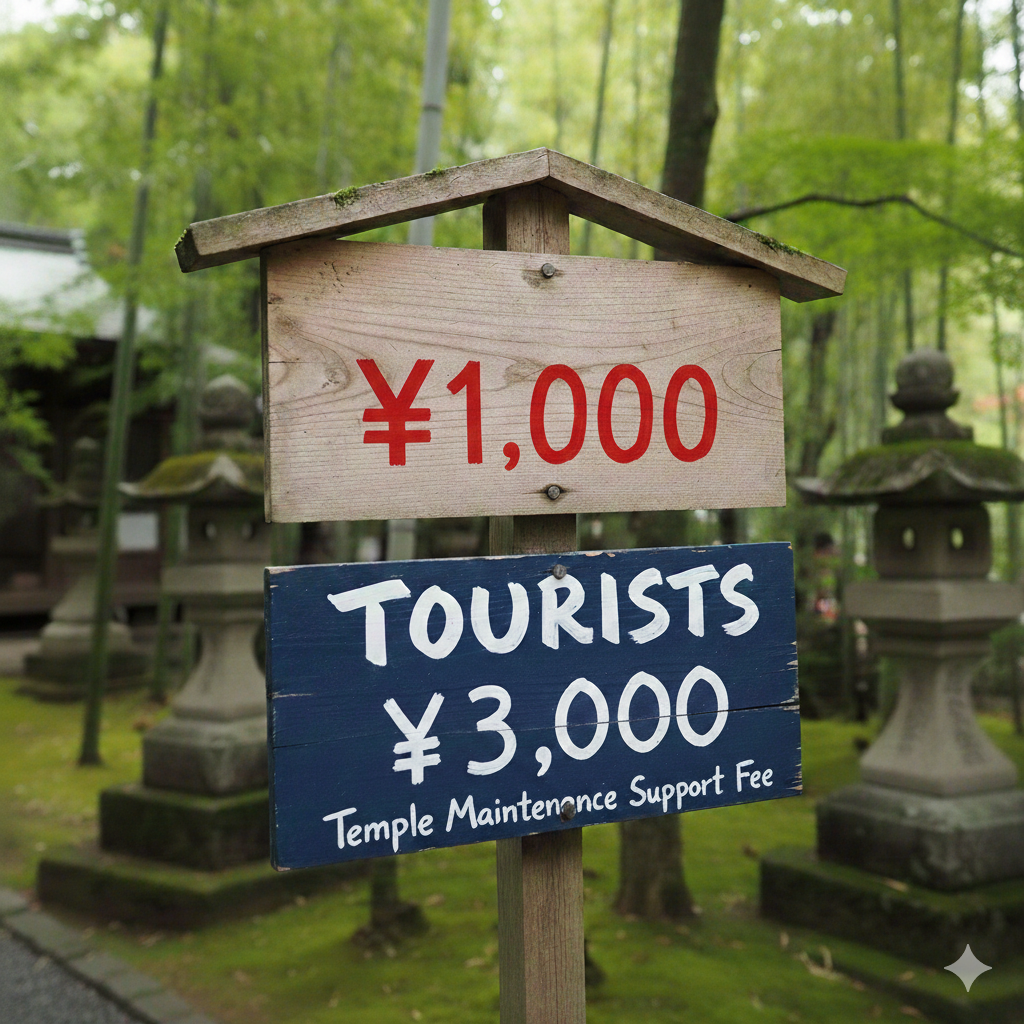
Dual pricing is not a new concept in global tourism, but for Japan, it represents a significant cultural shift. In practice, restaurants or tourist attractions may display two different prices, often managed through transparency or ID verification systems.
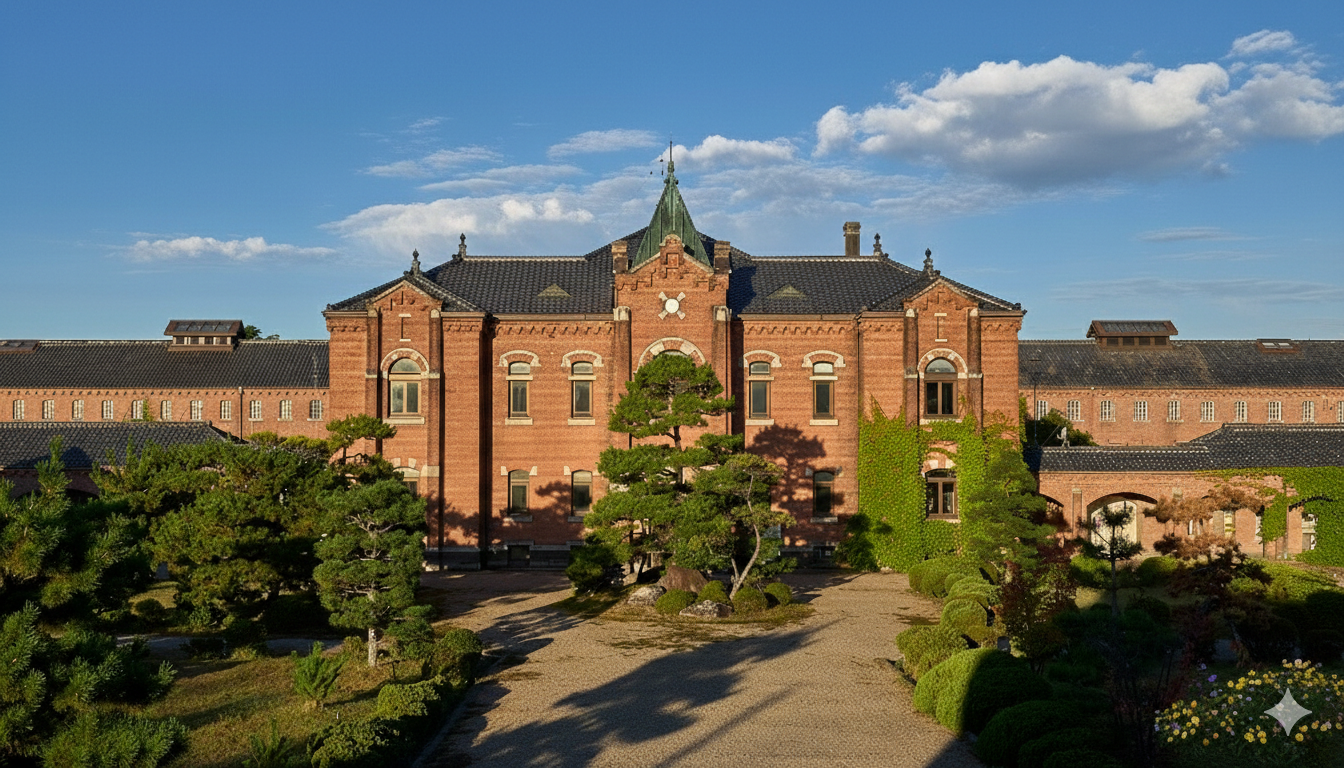
For instance, a seafood restaurant in Shibuya, Tokyo, went viral for offering a buffet package with a price difference of approximately 1,000 to 2,000 yen more for foreign tourists. Similar schemes are being considered for entrance fees to historical sites, such as Himeji Castle, to help cover the rising costs of maintenance and preservation.
2. Reasons Behind the Implementation of Dual Pricing
The primary reason is the weakening of the Japanese Yen, which has hit its lowest point in decades. This has drastically increased the purchasing power of foreign tourists, making goods in Japan feel incredibly cheap for them. Conversely, locals earning in yen are feeling the real pressure of inflation and a higher cost of living.
The second reason relates to managing overtourism. The massive influx of tourists places an extra burden on infrastructure, waste management, and public comfort. Furthermore, catering to international tourists often requires additional operational costs, such as hiring multilingual staff and maintaining complex international reservation systems.
3. Impact on the Image of Omotenashi Hospitality
This policy has sparked a debate regarding the concept of Omotenashi, or Japan’s signature spirit of wholehearted hospitality. Many stakeholders worry that price discrimination will make tourists feel unwelcome or unfairly treated, which could ultimately damage Japan's tourism reputation on a global scale.
However, supporters of the policy argue that this is a necessary protective measure so that locals can still afford facilities in their own cities. Without these price adjustments, residents might be "priced out" of public spaces as costs rise to match the spending power of international visitors.
4. Local Discounts as a Middle-Ground Strategy
To avoid a negative perception, many experts suggest that businesses should avoid using the term "tourist surcharge." Instead, they are encouraged to frame the policy as a "local resident discount" or a special rate for people living in specific prefectures.
Under this strategy, the price listed on the menu is the standard market rate, which remains reasonable for those using stronger foreign currencies. Meanwhile, locals can receive a discount by presenting official identification. This approach is considered more polite and maintains the loyalty of domestic customers without offending international travelers.
5. What Travelers Need to Know
For those planning to visit Japan soon, this trend is a new reality to anticipate. It is highly recommended to check recent reviews on digital platforms to see if there is any information regarding price differences at your intended destinations.
Understanding that these additional fees are often used to maintain the sustainability and quality of the sites you visit can help you view the policy with more empathy. If you wish to avoid tourist prices, seeking out culinary experiences in non-commercial residential areas remains a smart and authentic alternative.