A Travel Guide to Nara: The City of Deer and Historic Temples
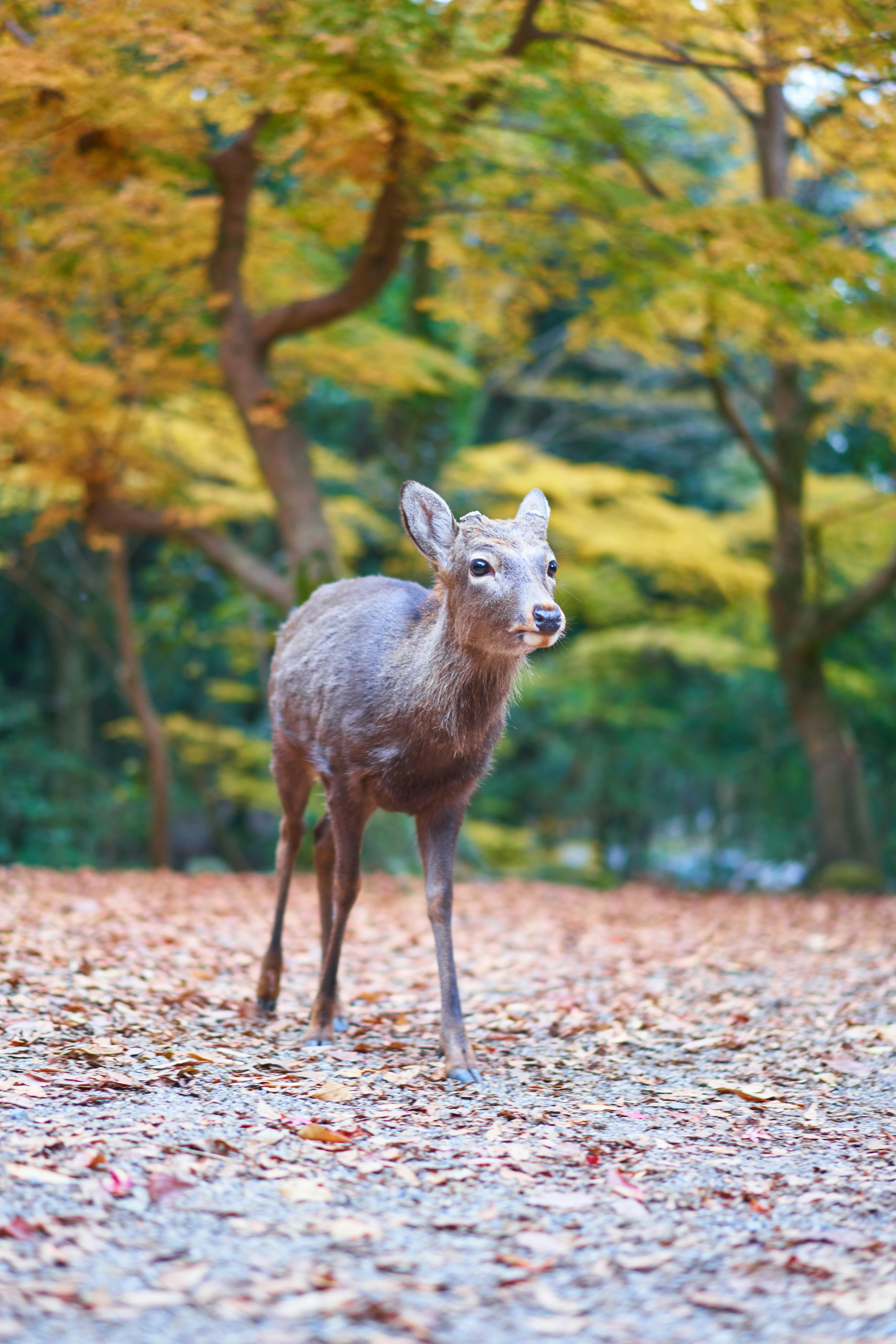
Imagine walking through a vast park with cool morning air, leaves falling slowly, and the distant sound of a temple bell chiming softly. Suddenly, a deer approaches you, bowing its head as if to greet you politely. Such is the characteristic atmosphere of Nara, a small city that is peaceful yet rich in history. In this city, humans and nature live together in harmony. Located in the Kansai region, about an hour's journey from Kyoto or Osaka, Nara is a must-visit destination for anyone wanting to understand the true soul of Japan: gentle, spiritual, and steeped in tradition.
As Japan's first permanent capital in 710 AD (known as Heijo-kyo), Nara holds a vital role in the history and development of Japanese culture. The city served as the center of government and spirituality for over 70 years before the capital was eventually moved to Kyoto. Despite its relatively small size, Nara preserves eight UNESCO World Heritage sites, including historic temples, shrines, and gardens. Data from the Japan National Tourism Organization (JNTO) in 2024 shows that Nara receives about 13 million visitors annually, with approximately 1.8 million of them being international tourists. However, compared to Kyoto—which is visited by over 17 million foreign tourists per year—Nara still feels much quieter. This makes it an ideal place to enjoy Japan without the extreme crowds.
1. Nara Park and the Sacred Deer
The most iconic symbol of this city is, of course, the deer of Nara Park. This 502-hectare park is home to more than 1,300 sika deer, which are considered messengers of the gods in Shinto belief. Since ancient times, the deer in Nara have been protected by law. In fact, in the past, killing a deer could be punishable by death! Today, these friendly animals roam freely in the park, and tourists can feed them special crackers called "shika senbei" sold around the area. The most adorable moment is when the deer give a small bow after receiving a cracker, as if saying thank you in a uniquely Japanese way. Data from the Nara City Tourism Bureau (2024) states that Nara Park is visited by more than 5 million tourists every year, making it one of the most popular parks in Japan.
However, behind their cuteness, it is important to remember that these are still wild animals. The city government has installed warning signs for tourists to be careful and not provoke aggressive interactions. In 2023, approximately 180 minor incidents were recorded between deer and tourists, mostly because visitors held onto the crackers for too long. So, while having fun, make sure you respect their space, as that is part of the philosophy of "wa" or harmony upheld by Japanese society.
2. Todai-ji: The Great Temple Guarding History
After enjoying your time with the deer, the next step is to visit Todai-ji, one of Japan's most magnificent Buddhist temples and a primary UNESCO World Heritage site. Founded in 752, this temple was once the largest wooden building in the world. Inside, there is the Daibutsu (Great Buddha Statue) standing 15 meters tall, made of bronze and gold, symbolizing Vairocana, the Buddha that illuminates the entire universe. According to historical records, over 2.6 million workers were involved in the construction of Todai-ji, an extraordinary number for the 8th century.
Interestingly, although the current building is a reconstruction from the 17th century and is one-third smaller than the original, it remains impressive with its stunning wooden architecture. Based on data from the Cultural Affairs Agency Japan (2024), Todai-ji receives an average of 2.5 million visitors annually, making it one of the most visited religious sites in Japan after Meiji Shrine in Tokyo. Don't forget to try squeezing through the hole in one of the large pillars in the main hall. Legend has it that anyone who successfully passes through will be granted enlightenment and good fortune.
3. Kasuga Taisha and the Trails of Lantern Light
Still around Nara Park stands an ancient Shinto shrine that is equally captivating: Kasuga Taisha. Founded in the 8th century by the noble Fujiwara family, this shrine is famous for the thousands of stone and bronze lanterns lining the paths to the main complex. Every February and August, the shrine holds the Mantoro festival, where over 3,000 lanterns are lit simultaneously, creating a stunning mystical atmosphere. According to a 2024 Kansai Tourism Board survey, Kasuga Taisha ranks third on the list of most romantic places in Kansai, following Fushimi Inari and Kiyomizu-dera.
In addition to its architectural beauty, Kasuga Taisha has a close bond with nature. Surrounding it is the Kasuga Primeval Forest, a natural forest that has been protected for over 1,000 years and is home to over 175 tree species and 60 types of birds. This is where the harmony between spirituality and the environment is truly felt—a philosophy at the heart of Japanese culture.
4. Naramachi: Edo Atmosphere Amidst Modernity
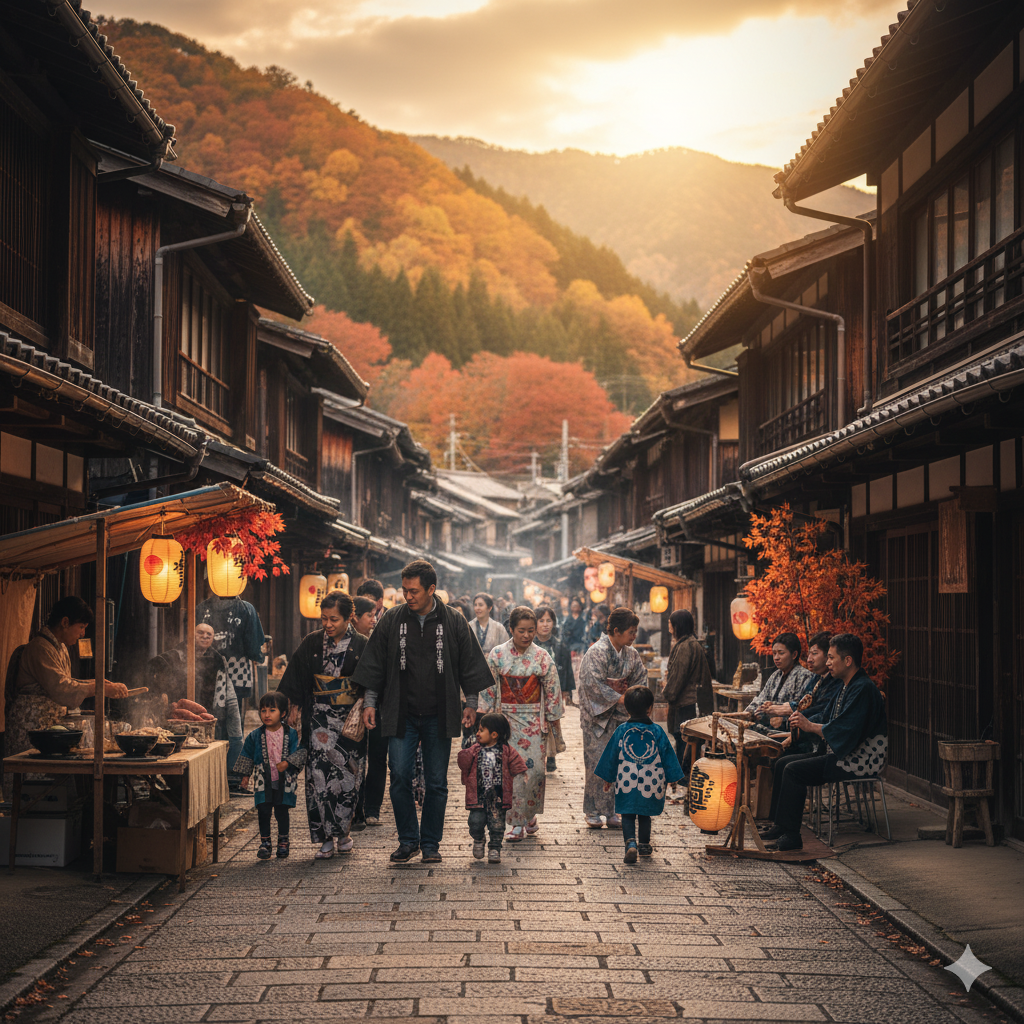
For those who want to see the side of life for Nara's people in the past, visit Naramachi, an old town district that still maintains traditional buildings from the Edo period. Its narrow streets are adorned with machiya-style wooden houses that have now been converted into cafes, boutiques, and art galleries. There is also the Naramachi Koshi-no-Ie, a traditional house open for free to the public, where you can learn about the lifestyle of Japanese families from centuries ago.
Interestingly, despite its classic impression, Naramachi is now being filled by a younger generation of local entrepreneurs bringing a modern touch. Data from the Nara City Revitalization Report (2024) shows a 27% increase in the opening of independent shops and cafes in the area over the last five years. So, don't be surprised if you find an artisan coffee shop with the aroma of fresh roasted beans standing right next to an antique kimono shop maintained for generations. This is the charm of Nara, reflecting a blend of past and present that walks hand-in-hand.
5. Travel Tips: Best Time and How to Enjoy Nara
The best time to visit Nara is during spring (March–May) when cherry blossoms bloom around the parks and temples, or autumn (October–November) when maple leaves turn a golden red. If you plan to come here from Kyoto, simply take the JR Nara Line for about 45 minutes or the faster Kintetsu Line, about 35 minutes. For inner-city travel, walking or renting a bicycle is the best choice since the distances between main destinations are very close.
Based on the 2024 JNTO report, over 70% of foreign tourists visiting Nara do so as a day trip from Kyoto or Osaka without staying overnight. However, Nara has various traditional ryokan inns at more affordable prices than Kyoto. Accommodation here averages around ¥12,000 per night. Staying overnight allows you to experience the peaceful night atmosphere once the parks and temples are cleared of tourist crowds. Trust me, seeing the deer roam under the moonlight or hearing the temple bells at night is an experience that money cannot buy.
With all its natural beauty, spiritual value, and traditional hospitality, Nara is not just an ordinary tourist city; it is a window to understanding the roots of Japanese culture. Here, every step feels like a journey through time. From sacred forests to magnificent Buddha halls, from stone bridges to nostalgic narrow streets. Like the deer roaming freely in the park, Nara teaches us the meaning of freedom that remains grounded in harmony and respect. So, if you seek a peaceful yet meaningful Japanese experience, Nara is where history, nature, and spirituality meet in perfect harmony.