How to Use Japan’s Unique Vending Machines
Japan is a global leader in automation, and by 2026, the technology behind its vending machines (jidou hanbaiki) has reached extraordinary heights. While they were once known primarily for bottled tea and coffee, today's machines dispense everything from piping hot ramen and Wagyu beef to high-end electronics and designer apparel. For travelers, using these machines is more than just a convenience—it is a unique cultural experience. However, as the technology evolves, there are specific steps and etiquette you should follow to navigate these high-tech dispensers smoothly.
1. Identifying the Machine Type and Its Offerings
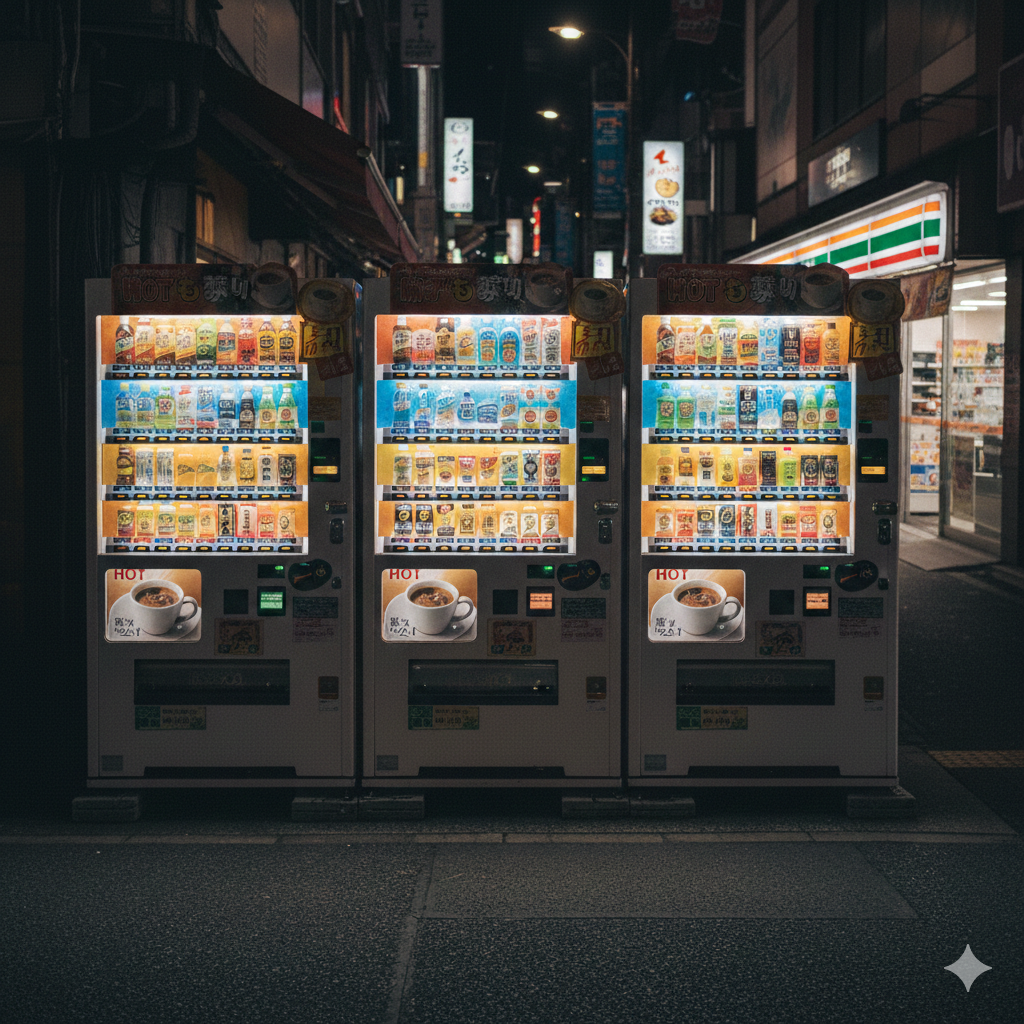
The first step is recognizing that not all machines operate the same way. Standard beverage machines usually feature physical buttons or large, motion-sensing touchscreens that wake up as you approach. Food vending machines, particularly those serving hot meals, often have a built-in microwave or heating element; you will see a digital countdown timer—usually between 30 to 90 seconds—while your meal prepares. For high-value items like anime collectibles or jewelry, machines are often equipped with reinforced glass and electronic lockers that release only after the transaction is fully verified.
2. Understanding Temperature Color Coding
When purchasing drinks, pay close attention to the colored labels beneath the products. A red label or the text あたたかい (atatakai) indicates a hot drink, which is a staple during Japan’s chilly winters. Conversely, a blue label or the text つめたい (tsumetai) means the drink is served cold. In 2026, many newer models use dynamic LED displays that automatically change their product lineup and color schemes based on the real-time weather and temperature outside.
3. Mastering Modern Payment Methods
While older machines still accept 10, 50, 100, and 500 yen coins along with 1,000 yen bills, most urban machines in 2026 prioritize contactless payments. The most efficient way to pay is by tapping your transit card (Suica or Pasmo) or scanning a QR code from a linked international payment app. The standard procedure is to select your item first, wait for the price to display, and then tap your phone or card on the sensor until you hear a distinctive chime.
4. Navigating AI-Powered Recommendation Engines
Some of the most advanced machines in major hubs like Tokyo or Osaka now feature AI cameras. These machines estimate your age and gender to offer personalized drink recommendations—for instance, suggesting a specific energy drink to a tired commuter or a popular soda to a younger traveler. Your privacy is protected as the data is typically processed in real-time for marketing statistics rather than stored. If you are overwhelmed by the hundreds of choices, these AI suggestions are a fun way to discover a new favorite beverage.
5. Etiquette for Disposal and Consumption
Japanese social etiquette is deeply tied to cleanliness. Near almost every vending machine, you will find specialized recycling bins with circular openings. These are strictly for the plastic (PET) bottles or aluminum cans purchased from the machines. Avoid throwing general trash or food waste into these bins. If you purchase a hot meal or snack from a machine, it is customary to eat it near the machine rather than walking while eating, and then disposing of the packaging in the designated waste area provided by the operator.