Unique Fake Food Museums in Japan
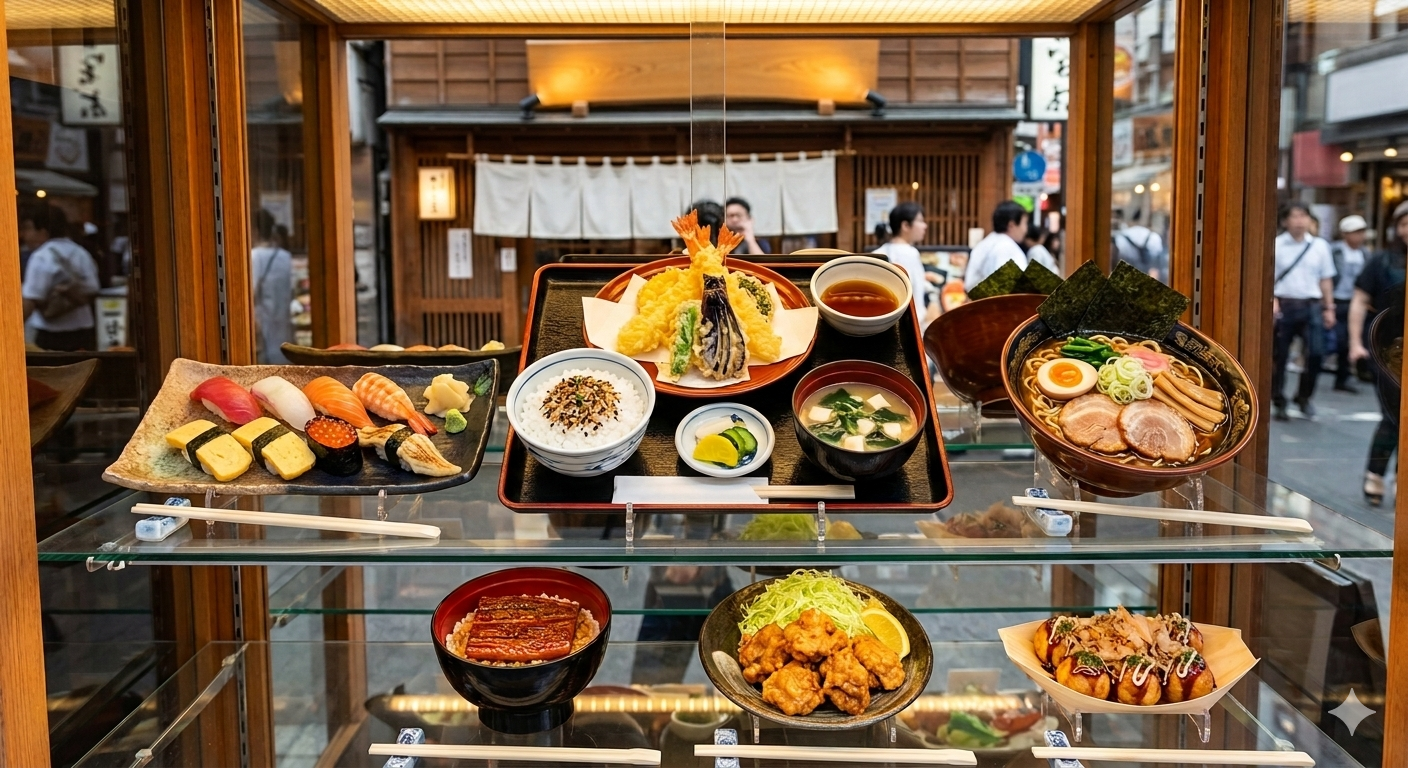
Japan is well known for a unique tradition called sampuru, which refers to highly realistic food replicas often displayed in front of restaurants. These replicas are usually made from plastic or resin and are carefully crafted to resemble real dishes in incredible detail, including color, texture, and presentation. Originally, sampuru was created to help customers understand restaurant menus, especially for visitors who could not read Japanese.
Over time, food replicas have become part of Japan’s popular culture. Today, there are even museums dedicated to the art of fake food, where visitors can explore collections of incredibly detailed replicas and learn about the craft behind them.
Gujo Hachiman Sample Village
One of the most famous places to explore the world of fake food is Sample Village in Gujo Hachiman, located in Gifu Prefecture. This town is known as the center of Japan’s food replica industry because many sampuru craftsmen originate from this area.
At Sample Village, visitors can see a wide variety of replica dishes, including sushi, ramen, tempura, and desserts, all created with remarkable realism. In addition to viewing the displays, visitors can also join workshops where they learn how to make their own food replicas. One popular activity is creating tempura or lettuce using melted wax shaped to look like real food.
Tokyo Food Sample Museum
In Tokyo, there are small museums and exhibition spaces that showcase different types of fake food used by restaurants across Japan. These displays highlight how food replicas are made and demonstrate techniques used to create realistic details such as dripping sauce or noodles lifted with chopsticks.
Some replicas are designed with a creative and playful twist. For example, you may see spaghetti that appears to float in the air or desserts arranged in imaginative shapes. These pieces show that sampuru is not only a restaurant display tool but also a form of artistic expression.
Fake Food Making Workshops
One of the most enjoyable experiences at fake food museums is the opportunity to make your own replica dish. Many places offer short workshops where visitors can learn the basic techniques of sampuru making.
Participants usually create simple items such as tempura, parfaits, or pancakes. The process involves shaping melted wax or resin so that it resembles real food. The finished piece can be taken home as a unique souvenir from Japan.
Why Fake Food Is So Popular in Japan
Food replicas became widely popular in Japan because the country’s food culture places a strong emphasis on visual presentation. Restaurants use sampuru to clearly show what each dish looks like before customers order.
For tourists, these replicas also make it easier to choose meals without needing to fully understand the menu in Japanese. The high level of craftsmanship involved in making these replicas has led many people to see them as small works of art.
Today, fake food has also become part of the souvenir industry. Many shops sell miniature versions of dishes as keychains, magnets, or decorative items made using the same techniques as restaurant displays.
A Unique Destination for Food Lovers
Fake food museums offer a different perspective on Japanese culinary culture. Visitors can appreciate not only real cuisine but also the artistry involved in representing food visually.
For travelers looking for something unusual and entertaining, fake food museums provide a fascinating combination of culture, creativity, and fun. They show how even replicas of everyday dishes can become an interesting and distinctive part of Japan’s cultural landscape.